


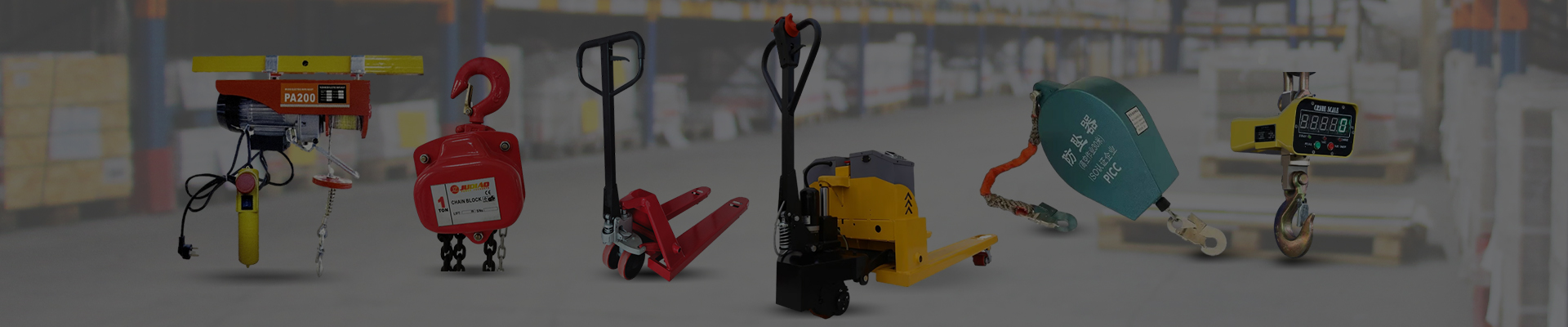
When it comes to industrial lifting equipment, the term 2 ton electric chain hoist price often pops up, reflecting the cost of a specialized tool capable of lifting up to two tons safely and efficiently. This might sound niche, but globally, the demand for such machinery is growing rapidly. Think construction sites, manufacturing plants, warehouses—anywhere heavy loads need precise lifting. Knowing what influences the price and how it fits into industry needs can save companies a lot of headaches, and frankly, money.
To put this in perspective, according to the International Labour Organization (ILO), workplace safety and equipment efficiency are top priorities worldwide. Unsafe lifting methods cause thousands of injuries annually. So, investing in trusted lifting tools, like a 2 ton electric chain hoist, isn't just a cost—it's a safety imperative.
Industry reports from the World Bank show that construction and heavy manufacturing sectors are expanding rapidly in Asia and Africa. Such growth fuels higher demand for reliable hoisting equipment, where understanding the market price becomes crucial. Also, modern supply chain demands push industries toward equipment that offers both performance and affordability.
However, the market faces challenges: balancing cost with quality, ensuring durability under tough conditions, and aligning with evolving safety standards.
Simply put, this price represents the investment required to acquire a chain hoist electrically powered, capable of lifting loads of up to two tons (around 4,400 pounds). These hoists use electric motors to control the lifting chain, enabling smooth and controlled movement of heavy objects without excessive manual labor.
They’ve become essential in modern industries—from automating assembly lines to speeding up loading processes. In humanitarian contexts, they facilitate rapid deployment of supplies or construction materials, saving both time and physical strain.
Materials used (usually high-grade steel with corrosion resistance) and build quality greatly influence pricing. If a hoist is rated for harsh environments (think outdoor use or marine settings), costs can go up but so does reliability.
The sophistication of the motor—its power rating, efficiency, and speed control—matters. Variable frequency drive motors, for example, may cost more upfront but offer smoother and more energy-efficient operation.
Modern hoists pack features like emergency stop buttons, overload protection, and limit switches. Including these increases initial price but improves workplace safety and compliance with global standards like ISO 9001.
Renowned hoist manufacturers charge a premium reflecting their brand reliability, support infrastructure, and warranty terms. It’s often worth paying a bit more for solid after-sales service.
Additional options—like customizable lift height or remote controls—may add to cost but enhance usability in specific scenarios.
| Specification | Details |
|---|---|
| Lifting Capacity | 2 tons (2000 kg) |
| Lifting Height | 3 to 30 meters (customizable) |
| Motor Power | 1.5 - 3 kW |
| Lifting Speed | Up to 8 m/min (varies by model) |
| Power Supply | 220-440V, 50/60 Hz |
| Chain Material | Alloy steel, heat treated |
| Safety Features | Overload protection, emergency stop, limit switch |
Mini takeaway: The price reflects many factors from specs like motor power to safety features, making it a worthy investment.
| Vendor | Price Range (USD) | Warranty | Noteworthy Feature |
|---|---|---|---|
| Brand A | $1200 - $1600 | 2 years | Energy-efficient motor |
| Brand B | $1000 - $1400 | 1 year | Lightweight design |
| Brand C | $1400 - $1800 | 3 years | Remote control included |
Mini takeaway: Prices vary but often correlate to warranty length and added features.
Electric chain hoists lifting two tons are a staple across regions:
In Asia, the booming infrastructure projects heavily rely on 2 ton electric chain hoists due to their balance of lifting capacity and maneuverability. In Africa's mining sector, such hoists assist in transporting equipment in underground shafts. You can even find them at major ports worldwide.
Why invest in a 2 ton electric chain hoist?
It often feels like investing upfront is daunting, but in real terms, the lifetime value outweighs initial expenses.
Oddly enough, the future of these hoists involves more than just stronger chains:
Current challenges include maintenance costs, potential downtime, and upfront price barriers for smaller businesses.
But industry veterans suggest modular designs and leasing options can ease financial burdens. Also, advances in predictive maintenance technologies help preempt breakdowns, minimizing downtime and repair costs.
A: Generally, motor power, safety features, lifting height capacity, brand reputation, and included warranties are major price influencers. Customization options can also increase costs.
A: Not necessarily, but it’s important to verify certifications and user reviews. Lower price often means fewer features or shorter warranty, which might impact durability and long-term safety.
A: It’s not recommended. Using a hoist beyond its rated capacity risks mechanical failure and safety hazards.
A: Industry standards advise regular inspections every 6 months, with professional servicing annually, depending on usage intensity.
A: Online marketplaces, direct vendor websites, and industry trade shows are good starting points. For a convenient option, check out 2 ton electric chain hoist price listings with verified suppliers.
Investing in a 2 ton electric chain hoist means balancing upfront expenditure with long-term safety and efficiency gains. Frankly, when you factor in reduced workplace injuries, enhanced productivity, and technological innovations on the horizon, spending wisely on reliable equipment pays for itself. If you’re in the market for lifting gear, keeping a close eye on 2 ton electric chain hoist price trends ensures you get the best value without compromising safety or quality.
Visit our website for detailed insights, product comparisons, and the latest updates: https://www.qyjuli.com
A quick reflection: In the industrial world, where every ton lifted safely is a job well done, understanding the nuances of equipment costs is just as important as knowing how they work.


 Afrikaans
 Albanian
 Amharic
 Arabic
 Armenian
 Azerbaijani
 Basque
 Belarusian
 Bengali
 Bosnian
 Bulgarian
 Catalan
 Cebuano
 China
China
 China (Taiwan)
 Corsican
 Croatian
 Czech
Czech
 Danish
 Dutch
Dutch
 Esperanto
 Estonian
 Finnish
 French
 Frisian
 Galician
 Georgian
 German
 Greek
Greek
 Gujarati
 Haitian Creole
 Hausa
Hausa
 Hawaiian
 Hebrew
 Hindi
Hindi
 Miao
Miao
 Hungarian
 Icelandic
 Igbo
Igbo
 Indonesian
 Irish
Irish
 Italian
 Japanese
 Javanese
 Kannada
 Kazakh
 Khmer
Khmer
 Rwandese
 Korean
 Kurdish
 Kyrgyz
 Lao
Lao
 Latin
Latin
 Latvian
 Lithuanian
 Luxembourgish
 Macedonian
 Malgashi
 Malay
Malay
 Malayalam
 Maltese
 Maori
Maori
 Marathi
 Mongolian
 Myanmar
 Nepali
 Norwegian
 Norwegian
 Occitan
 Pashto
 Persian
 Polish
 Portuguese
 Punjabi
 Romanian
 Russian
 Samoan
 Scottish Gaelic
 Serbian
 Sesotho
 Shona
Shona
 Sindhi
 Sinhala
 Slovak
 Slovenian
 Somali
 Spanish
 Sundanese
 Swahili
 Swedish
 Tagalog
 Tajik
Tajik
 Tamil
Tamil
 Tatar
Tatar
 Telugu
 Thai
Thai
 Turkish
 Turkmen
 Ukrainian
 Urdu
Urdu
 Uighur
 Uzbek
Uzbek
 Vietnamese
 Welsh
Welsh
 Bantu
Bantu
 Yiddish
 Yoruba
 Zulu
Zulu
 English