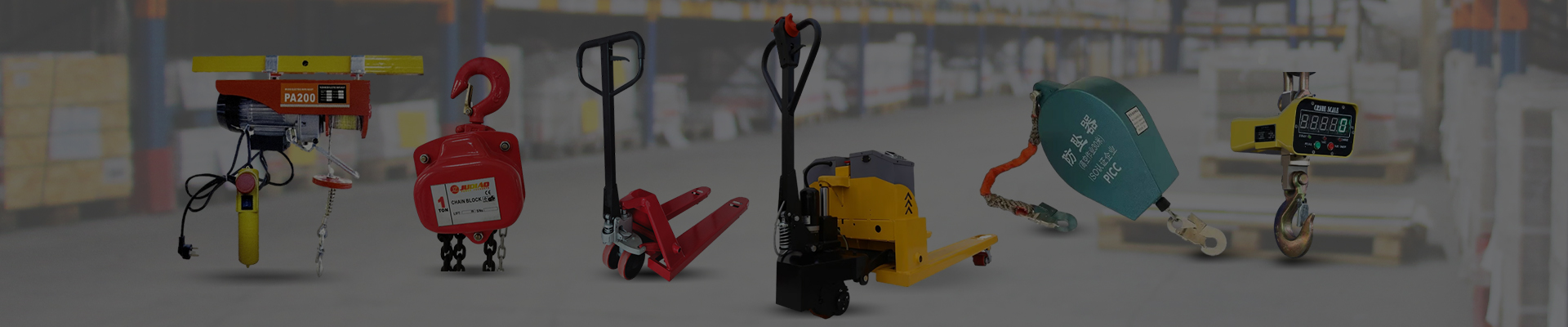


Ever wondered why industries worldwide keep a keen eye on the 2 ton electric wire rope hoist price? It’s not just about the cost but what this piece of machinery symbolizes: reliability, safety, and productivity. Essentially, a 2 ton electric wire rope hoist is a heavy-duty lifting tool capable of handling two tons of load, perfect for construction, logistics, warehousing, and manufacturing sectors. Knowing the price is critical for organizations balancing budget with operational efficiency. Plus, globally, it plays a pivotal role in infrastructure projects and disaster relief efforts—where lifting capacity and speed can literally save lives.
The global lifting equipment market is expected to grow steadily, reflecting rising industrial activities from China to Europe, and emerging economies in Africa and Latin America. According to the International Organization for Standardization (ISO), adherence to safety and quality standards heavily influences pricing. Additionally, World Bank reports underline the importance of reliable lifting equipment in rebuilding infrastructure post-disasters. The dilemma? Balancing affordability against machine durability and compliance with safety standards.
In real terms, the 2 ton electric wire rope hoist price isn’t a fixed figure but fluctuates with specs, brands, and service support. Industry players often grapple with the tradeoff between upfront cost and lifecycle value. So, if you’re in procurement, logistics, or operations, understanding these components is absolutely vital.
Simply put, it’s the market price tag for a hoist that uses an electric motor to pull a wire rope—lifting loads up to two tons. Wire rope hoists are appreciated for their compact design, high durability, and ability to lift heavy equipment reliably. They’ve become staples in industries requiring frequent, heavy lifting, from shipyards to factories.
On a humanitarian note, hoists like these often aid in humanitarian logistics, moving supplies in areas with compromised infrastructure. So, the price isn’t just about procurement—it’s about access to critical materials efficiently and safely.
Heavy-duty steel wire ropes, reinforced housings, and quality motors contribute heavily to both price and reliability. You don’t want a hoist that quits mid-operation, frankly.
Variable speed motors and precise braking systems add sophistication and cost but improve operational safety and efficiency—important for sensitive or repetitive tasks.
Overload protection, emergency stops, and limit switches are built-in requirements. Higher-spec models with advanced safety add to that 2 ton electric wire rope hoist price but are priceless in avoiding accidents.
Reputable brands include pre-sale consultation, post-sale maintenance, and spare parts availability, often justifying a higher price.
Some hoists come as modular units for easier installation, which can also impact costs.
| Specification | Details |
|---|---|
| Lifting Capacity | 2 Tons (2000 kg) |
| Lifting Height | Up to 30 meters |
| Lifting Speed | 8 to 20 m/min (variable) |
| Power Supply | 380V / 50Hz 3-phase |
| Wire Rope Diameter | 8 mm to 12 mm |
| Weight | 350-400 kg |
Mini takeaway: The details packed into each hoist directly affect the 2 ton electric wire rope hoist price. More features, better materials, and trustworthy brands push the price up but bring peace of mind on the job.
| Vendor | Price Range (USD) | Warranty | Unique Selling Point |
|---|---|---|---|
| QYJULI Hoists | $1,200 - $1,600 | 2 Years | Robust build & great customer support |
| GlobalLifters Inc. | $1,400 - $1,800 | 3 Years | Advanced safety tech & energy efficiency |
| LiftMaster Corp | $1,000 - $1,400 | 1 Year | Competitive pricing but limited warranty |
Mini takeaway: Brands like QYJULI Hoists may offer the best blend of price and reliability. But as always, factor in warranty and after-sales care before investing.
Take, for example, a mining operation in a remote area of South America, where traditional lifting is risky and slow. Employing electric wire rope hoists optimized for 2-ton loads reduces downtime significantly. In post-tsunami Indonesia, the same hoists helped move debris and deliver relief materials efficiently.
The benefits are both tangible and subtle. On the surface, the price you pay ensures safe and efficient lifting. But over the long haul, these hoists improve workplace safety, which reduces insurance claims and worker’s compensation cases. When you factor in energy efficiency, durability, and ease of maintenance, the investment shines brighter. And there’s an emotional element, too—knowing equipment won’t fail when people rely on it.
Looking ahead, manufacturers are pushing boundaries with IoT-enabled hoists that provide real-time monitoring of load, wear, and motor health. Green energy integration—like solar-powered charging stations—promises eco-friendliness in remote sites. Automation and remote control features are lowering the skilled labor barrier, enabling safer, more precise operations.
Of course, it’s not all smooth sailing. High upfront price tags can deter smaller enterprises. Maintenance in remote locations remains tricky. But industry experts suggest modular designs and local training initiatives as ways to mitigate these issues. Moreover, flexible financing schemes and warranties help alleviate financial concerns, making these hoists more accessible.
At the end of the day, understanding the 2 ton electric wire rope hoist price is about more than dollars and cents. It’s about gauging how a critical tool fits into productivity, safety, and progress. Whether you’re rebuilding post-disaster infrastructure or streamlining industrial workflows, investing wisely in the right hoist pays dividends in efficiency and peace of mind. Curious? Visit our website: 2 ton electric wire rope hoist price to explore options and tailored advice.
Reflecting on this, it’s clear these hoists are unsung heroes in modern industry—quietly lifting heavy burdens so the rest of us can build a better future.


 Afrikaans
 Albanian
 Amharic
 Arabic
 Armenian
 Azerbaijani
 Basque
 Belarusian
 Bengali
 Bosnian
 Bulgarian
 Catalan
 Cebuano
 China
China
 China (Taiwan)
 Corsican
 Croatian
 Czech
Czech
 Danish
 Dutch
Dutch
 Esperanto
 Estonian
 Finnish
 French
 Frisian
 Galician
 Georgian
 German
 Greek
Greek
 Gujarati
 Haitian Creole
 Hausa
Hausa
 Hawaiian
 Hebrew
 Hindi
Hindi
 Miao
Miao
 Hungarian
 Icelandic
 Igbo
Igbo
 Indonesian
 Irish
Irish
 Italian
 Japanese
 Javanese
 Kannada
 Kazakh
 Khmer
Khmer
 Rwandese
 Korean
 Kurdish
 Kyrgyz
 Lao
Lao
 Latin
Latin
 Latvian
 Lithuanian
 Luxembourgish
 Macedonian
 Malgashi
 Malay
Malay
 Malayalam
 Maltese
 Maori
Maori
 Marathi
 Mongolian
 Myanmar
 Nepali
 Norwegian
 Norwegian
 Occitan
 Pashto
 Persian
 Polish
 Portuguese
 Punjabi
 Romanian
 Russian
 Samoan
 Scottish Gaelic
 Serbian
 Sesotho
 Shona
Shona
 Sindhi
 Sinhala
 Slovak
 Slovenian
 Somali
 Spanish
 Sundanese
 Swahili
 Swedish
 Tagalog
 Tajik
Tajik
 Tamil
Tamil
 Tatar
Tatar
 Telugu
 Thai
Thai
 Turkish
 Turkmen
 Ukrainian
 Urdu
Urdu
 Uighur
 Uzbek
Uzbek
 Vietnamese
 Welsh
Welsh
 Bantu
Bantu
 Yiddish
 Yoruba
 Zulu
Zulu
 English