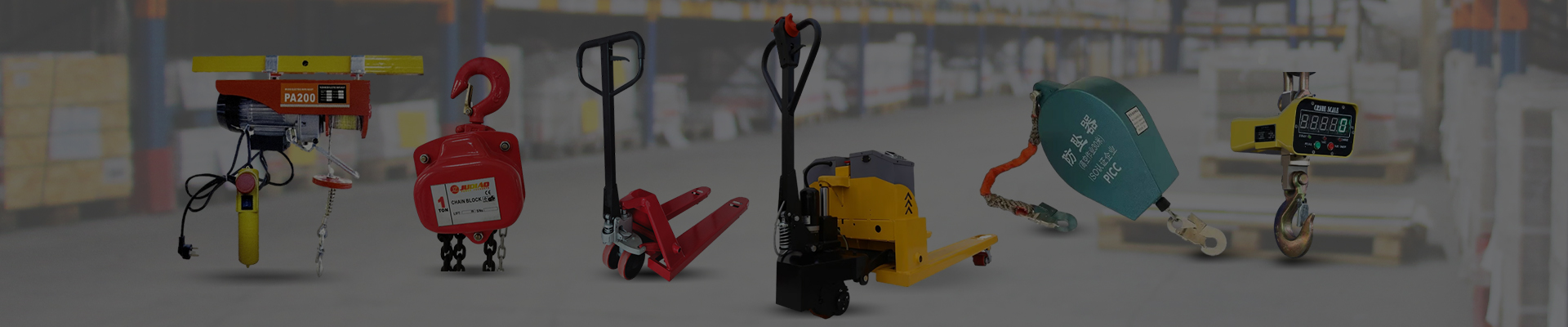


If you’ve ever been curious about the cost of electric rope hoists and why that price matters globally, you’re in the right place. Electric rope hoists are essential lifting devices used across industries from construction to manufacturing — and understanding their pricing isn’t just about budgeting. It’s about grasping how these systems influence operational efficiency, safety, and infrastructure development worldwide.
According to recent reports from the International Labour Organization and the World Bank, infrastructure development and industrial productivity remain crucial factors for economic growth, especially in emerging markets. Electric rope hoists, as a core part of material handling, directly affect productivity by improving how goods and equipment are moved. But pricing fluctuates wildly based on specs, brand, and technology.
Consider the challenge: companies need affordable, reliable lifting equipment that can adapt to different load requirements and harsh environments. The price you pay tells you about not only the initial cost but also durability, maintenance needs, and overall value.
Simply put, the electric rope hoist price is the cost of purchasing a machine designed to lift and move heavy materials vertically using wire ropes powered by electricity. Unlike chain hoists, rope hoists handle heavier loads and longer lifts, making them indispensable in large factories or construction sites.
Their pricing reflects multiple factors: the motor power, load capacity, materials used in the rope and drum, and additional features like remote controls or integrated safety systems. Beyond industry uses, these hoists even support humanitarian aid—for example, aiding in assembling post-disaster infrastructure where heavy lifting is urgent.
The hoist’s frame material (usually steel or aluminum alloys) and its weather resistance are paramount. A rugged build costs more upfront but reduces downtime and maintenance — crucial for industrial reliability.
The maximum weight the hoist can safely handle is a primary cost driver. A 10-ton capacity device is priced differently from a smaller 1-ton unit, naturally.
Modern hoists often use energy-efficient motors, sometimes with variable frequency drives (VFD) allowing smooth speed control. Those features raise the price but save energy and reduce wear long term.
Remote controls, programmable limits, and safety brakes add to the complexity and price but increase operator safety and precision — non-negotiable in hazardous environments.
Customized lengths of rope, integration with automated systems, or special coatings for corrosive environments can all drive costs up but are vital in specialized projects.
| Model | Load Capacity | Lifting Speed | Motor Power | Price Range (USD) |
|---|---|---|---|---|
| XRH-5 | 5 tons | 12 m/min | 7.5 kW | $3,500 - $4,200 |
| XRH-10 | 10 tons | 10 m/min | 15 kW | $6,800 - $7,500 |
| XRH-20 | 20 tons | 8 m/min | 30 kW | $12,000 - $14,000 |
Oddly enough, these hoists are everywhere—from European car plants to massive infrastructure projects in Asia and Africa. In regions with booming construction sectors, like Southeast Asia or the Gulf states, hoists help safely lift heavy components quickly, speeding up development timelines.
Post-disaster zones also rely on these hoists to remove debris or help reconstruct buildings. For NGOs working under tight budgets, price is a decisive factor—balancing upfront costs with expected lifespan. Exploring electric rope hoist price helps buyers make smarter decisions to support both cost and community.
When you buy an electric rope hoist, you’re investing in safety (reducing worker injuries), sustainability (less energy usage on newer models), and consistency (less downtime).
The emotional angle is simple: trust. In an industry where a single failure could be catastrophic, knowing your lifting equipment is reliable often comes down to manufacturer reputation and transparent pricing. It feels like buying peace of mind, really.
| Vendor | Standard Load (tons) | Warranty Period | Price Range (USD) | Additional Features |
|---|---|---|---|---|
| HoistMaster | 5-20 | 2 years | $3,500 - $13,000 | VFD motor, remote control |
| LiftPro | 3-15 | 1 year | $2,800 - $9,500 | Basic safety brake, wired control |
| GlobalHoist | 5-25 | 3 years | $4,000 - $15,000 | Energy-efficient motor, auto-lubrication |
The future’s bright for electric rope hoists, especially with digital automation revolutionizing the sector. We’re seeing integration into industrial IoT systems for predictive maintenance. Smart sensors can alert operators before issues arise — quite the leap from traditional manual inspections.
On the green front, energy efficiency is gaining traction: improved motors and regenerative braking systems minimize power usage. Sustainability standards like ISO 14001 are nudging manufacturers toward cleaner production and extended product lifespans.
You might wonder: why, despite technology improvements, are some hoists still quite pricey? Well, access to quality components, strict safety certifications, and rugged design increase costs. Users also face maintenance challenges, especially in remote areas.
Experts recommend budgeting not just for the initial electric rope hoist price but for lifetime service contracts. Meanwhile, modular design and accessible spare parts can dramatically cut downtime and costs.
A: Primarily, load capacity, motor efficiency, build materials, and safety features impact pricing. Customization, like wireless controls or special coatings, pushes prices higher.
A: Generally yes, since higher-grade models often reduce downtime, maintenance costs, and improve safety, offering better ROI over time.
A: Yes, but you’ll need models with weatherproof coatings, sealed motors, and corrosion-resistant ropes. These features typically add to the price.
A: For industrial applications, routine inspections every 3 to 6 months and annual professional servicing are recommended to maintain safety and performance.
A: Trusted industrial suppliers and specialized websites like ours offer competitive pricing combined with technical support tailored to your needs.
So, the electric rope hoist price isn’t just a number on a quote — it’s a reflection of quality, safety, future readiness, and ultimately, your project’s success. Understanding what influences that price helps you choose wisely, balancing cost with long-term value.
Curious to explore options and get up-to-date pricing? Visit our website: https://www.qyjuli.com — let us help you lift smarter.
A little insight: pricing often masks value — wise buyers peer deeper.


 Afrikaans
 Albanian
 Amharic
 Arabic
 Armenian
 Azerbaijani
 Basque
 Belarusian
 Bengali
 Bosnian
 Bulgarian
 Catalan
 Cebuano
 China
China
 China (Taiwan)
 Corsican
 Croatian
 Czech
Czech
 Danish
 Dutch
Dutch
 Esperanto
 Estonian
 Finnish
 French
 Frisian
 Galician
 Georgian
 German
 Greek
Greek
 Gujarati
 Haitian Creole
 Hausa
Hausa
 Hawaiian
 Hebrew
 Hindi
Hindi
 Miao
Miao
 Hungarian
 Icelandic
 Igbo
Igbo
 Indonesian
 Irish
Irish
 Italian
 Japanese
 Javanese
 Kannada
 Kazakh
 Khmer
Khmer
 Rwandese
 Korean
 Kurdish
 Kyrgyz
 Lao
Lao
 Latin
Latin
 Latvian
 Lithuanian
 Luxembourgish
 Macedonian
 Malgashi
 Malay
Malay
 Malayalam
 Maltese
 Maori
Maori
 Marathi
 Mongolian
 Myanmar
 Nepali
 Norwegian
 Norwegian
 Occitan
 Pashto
 Persian
 Polish
 Portuguese
 Punjabi
 Romanian
 Russian
 Samoan
 Scottish Gaelic
 Serbian
 Sesotho
 Shona
Shona
 Sindhi
 Sinhala
 Slovak
 Slovenian
 Somali
 Spanish
 Sundanese
 Swahili
 Swedish
 Tagalog
 Tajik
Tajik
 Tamil
Tamil
 Tatar
Tatar
 Telugu
 Thai
Thai
 Turkish
 Turkmen
 Ukrainian
 Urdu
Urdu
 Uighur
 Uzbek
Uzbek
 Vietnamese
 Welsh
Welsh
 Bantu
Bantu
 Yiddish
 Yoruba
 Zulu
Zulu
 English