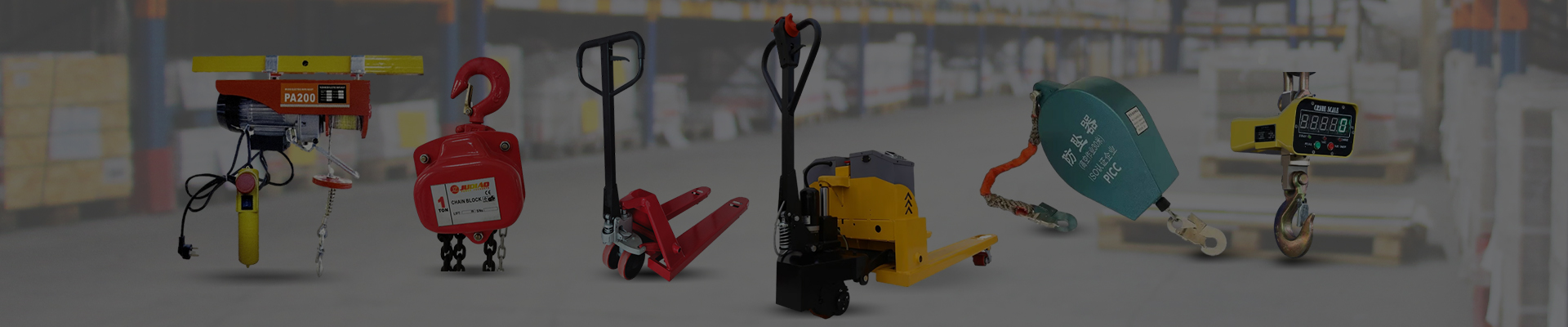


Fall Arrest Retrieval Block is a key solution in the industry, specifically within occupational safety and rescue operations. This article explores how https://www.qyjuli.com supports professionals with durable, high-performance products, and explains why this product is an ideal choice for businesses in these sectors.
When you hear “Fall Arrest Retrieval Block,” it might sound like some niche gear, but in reality, it’s a cornerstone product ensuring safety for workers at heights. Essentially, it's a self-retracting lifeline combined with a retrieval mechanism, designed to arrest falls instantly and then facilitate quick rescue or retrieval without additional manpower. For anyone responsible for occupational safety, this device is indispensable.
Technically speaking, the device integrates a steel or synthetic rope wound around a spring-loaded drum that locks during a sudden fall, reducing impact forces drastically. Some models include corrosion-resistant aluminum or stainless-steel casings, making them suited for harsh environments like offshore platforms or construction sites. A small case study from a recent project with a telecom company showed a significant drop in fall-related incidents after deploying these blocks—quite something, given the scale of the operation.
| Feature | Specification |
|---|---|
| Rope Length | 10m / 15m / 20m |
| Material | High-tensile steel or polyester rope |
| Load Capacity | 140 kg (Standard) |
| Housing | Anodized aluminum or stainless steel |
| Certification | EN 360, ANSI Z359.14 |
Oddly enough, even though safety might be the first thing on the mind, the practical benefits of using a fall arrest retrieval block go deeper. For example, it not only mitigates fall injury risks but speeds up rescue operations, which can mean the difference between life and serious harm. This is particularly relevant in industries like oil & gas, construction, telecom, and utilities—basically any sector where employees work at heights.
One of the standout features from the QY Juli models is the smooth retraction mechanism, which prevents slack rope and tangling, reducing user fatigue. The blocks also come with versatile anchoring options — you can attach it to a fixed point or portable support, which means flexibility whether you’re rigging a site or adjusting set-ups.
In fact, competitive advantages seem to revolve around material quality and engineering precision, which ensures minimal maintenance. In many field reports I’ve come across, users describe this product as “reliable under pressure” — and that’s no exaggeration for high-stakes environments.
Sure, initial investment might give pause — these aren’t exactly your run-of-the-mill tools — but thinking over the total cost of ownership paints a clearer picture. Durable materials, solid certifications, and low failure rates translate into fewer replacements and repairs, which ultimately improve ROI. So from a B2B perspective, it’s a no-brainer when factoring in potential liabilities and downtime costs.
Maintenance-wise, falls aside, users report ease of inspection and cleaning routines. Lubrication points are minimal and rapid corrosion resistance means you spend less time fussing over upkeep. Some companies even report up to 5 years of reliable service with just annual checks—kinda impressive, if you ask me.
Customer feedback often emphasizes the intuitive design; operators appreciate how the block’s compact size doesn’t interfere with mobility. Field safety managers often mention how its quick-connect fittings help in fast deployment, especially useful in emergency drills or real-time rescue scenarios.
In an era where sustainability increasingly shapes procurement and compliance, fall arrest retrieval blocks are not left behind. Surprisingly, manufacturers like those at qyjuli.com are adopting eco-friendly materials and production practices without compromising safety. For instance, using recyclable aluminum alloys and biodegradable packaging indicates a growing market awareness.
Regulatory pressures also push for stricter standards—think of updated OSHA and ANSI requirements—meaning products must adhere to both performance and environmental criteria. Frankly, this double demand encourages innovation and transparency, which benefits everyone involved.
The market outlook remains positive. Industry analysts note increased adoption across emerging economies alongside growth in maintenance and infrastructure sectors. All these point to a sustained demand for reliable fall arrest systems, and frankly, if you’re reviewing your safety equipment now, it’s a good time to consider these advancements.
| Feature | QY Juli | Competitor A | Competitor B |
|---|---|---|---|
| Material Quality | Premium stainless steel | Standard steel | Aluminum alloy |
| Certifications | EN 360, ANSI Z359.14 | EN 360 only | No formal certifications |
| Warranty Period | 3 years | 2 years | 1 year |
| Price | Mid-range | High-end | Budget |
To wrap up, the Fall Arrest Retrieval Block offered by QY Juli combines trusted safety engineering with smart design and cost-effectiveness. For businesses prioritizing worker safety and operational efficiency, it’s a worthwhile investment that pays dividends over time. Whether you’re managing a high-risk site or responsible for compliance, exploring these devices really makes sense.
In real terms, safety isn’t just compliance—it’s peace of mind for everyone on site.


 Afrikaans
 Albanian
 Amharic
 Arabic
 Armenian
 Azerbaijani
 Basque
 Belarusian
 Bengali
 Bosnian
 Bulgarian
 Catalan
 Cebuano
 China
China
 China (Taiwan)
 Corsican
 Croatian
 Czech
Czech
 Danish
 Dutch
Dutch
 Esperanto
 Estonian
 Finnish
 French
 Frisian
 Galician
 Georgian
 German
 Greek
Greek
 Gujarati
 Haitian Creole
 Hausa
Hausa
 Hawaiian
 Hebrew
 Hindi
Hindi
 Miao
Miao
 Hungarian
 Icelandic
 Igbo
Igbo
 Indonesian
 Irish
Irish
 Italian
 Japanese
 Javanese
 Kannada
 Kazakh
 Khmer
Khmer
 Rwandese
 Korean
 Kurdish
 Kyrgyz
 Lao
Lao
 Latin
Latin
 Latvian
 Lithuanian
 Luxembourgish
 Macedonian
 Malgashi
 Malay
Malay
 Malayalam
 Maltese
 Maori
Maori
 Marathi
 Mongolian
 Myanmar
 Nepali
 Norwegian
 Norwegian
 Occitan
 Pashto
 Persian
 Polish
 Portuguese
 Punjabi
 Romanian
 Russian
 Samoan
 Scottish Gaelic
 Serbian
 Sesotho
 Shona
Shona
 Sindhi
 Sinhala
 Slovak
 Slovenian
 Somali
 Spanish
 Sundanese
 Swahili
 Swedish
 Tagalog
 Tajik
Tajik
 Tamil
Tamil
 Tatar
Tatar
 Telugu
 Thai
Thai
 Turkish
 Turkmen
 Ukrainian
 Urdu
Urdu
 Uighur
 Uzbek
Uzbek
 Vietnamese
 Welsh
Welsh
 Bantu
Bantu
 Yiddish
 Yoruba
 Zulu
Zulu
 English