In the fast-paced world of modern logistics and warehouse management, the efficiency of horizontal transport determines the overall throughput of a facility. The low lift pallet truck serves as the fundamental building block for these operations, providing a reliable means to move palletized goods over short distances without the need for complex machinery. By minimizing the effort required to shift heavy loads, these tools prevent operator fatigue and significantly reduce the risk of workplace injuries.
Globally, the demand for streamlined material handling has surged as e-commerce continues to expand, putting pressure on distribution centers to move inventory faster than ever before. A high-quality low lift pallet truck bridges the gap between bulk storage and active shipping lanes, ensuring that the flow of goods remains uninterrupted. Whether in a small retail stockroom or a massive industrial plant, the simplicity and durability of these trucks make them an indispensable asset.
Understanding the nuances of pallet truck selection—from load capacity to wheel material—allows business owners to optimize their operational costs and improve safety standards. As industries pivot toward more ergonomic and sustainable solutions, the evolution of the low lift pallet truck reflects a broader commitment to worker well-being and systemic efficiency in the global supply chain.
Global Relevance of Low Lift Pallet Trucks
The global logistics landscape is governed by the need for speed and precision. According to ISO standards for material handling, the ability to move loads safely and ergonomically is paramount to reducing occupational hazards. The low lift pallet truck addresses the critical challenge of "the last mile" within a warehouse, where heavy pallets must be moved from a delivery truck to a staging area with minimal friction.
In emerging markets and developed economies alike, these tools are essential for maintaining the flow of trade. By reducing the reliance on heavy, expensive forklifts for simple horizontal movements, companies can lower their carbon footprint and reduce energy costs, making the low lift pallet truck a cornerstone of sustainable industrial growth.
Defining the Low Lift Pallet Truck Mechanism
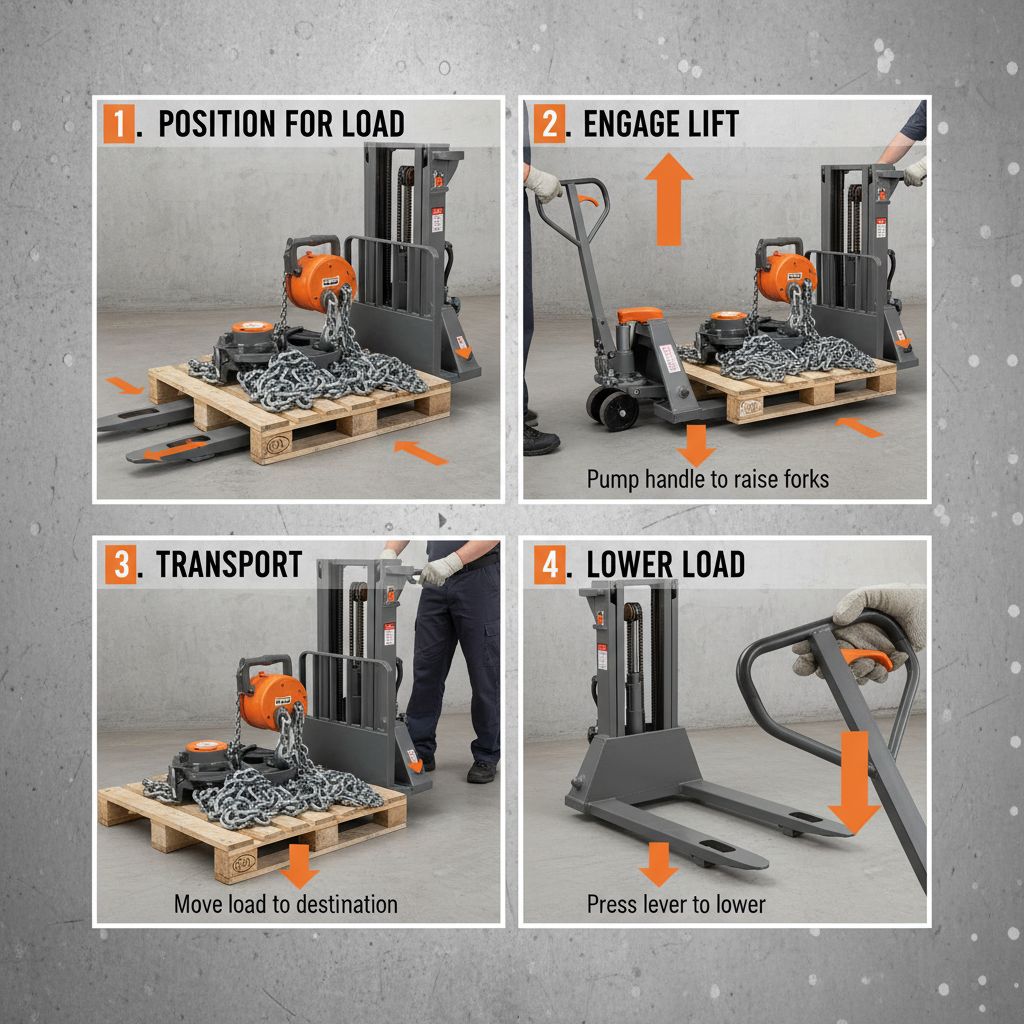
In simple terms, a low lift pallet truck, often referred to as a pallet jack, is a manual or powered tool used to lift and move pallets. Unlike high-lift stackers that can place loads on high shelving, the "low lift" variety is designed specifically to raise a pallet just a few inches off the ground—enough to clear the floor for effortless gliding.
This specific design is deeply connected to modern industrial needs for agility. In environments where space is at a premium, such as urban micro-fulfillment centers, the compact footprint of a low lift truck allows operators to navigate narrow aisles that would be inaccessible to larger machinery, thereby maximizing the usable square footage of the facility.
Beyond commercial use, these tools are vital for humanitarian needs, such as in post-disaster relief operations where infrastructure may be damaged. The ability to quickly unload pallets of food, water, and medicine from cargo planes or trucks using a simple, non-electric low lift pallet truck can save precious time and lives in critical situations.
Core Components and Engineering Factors
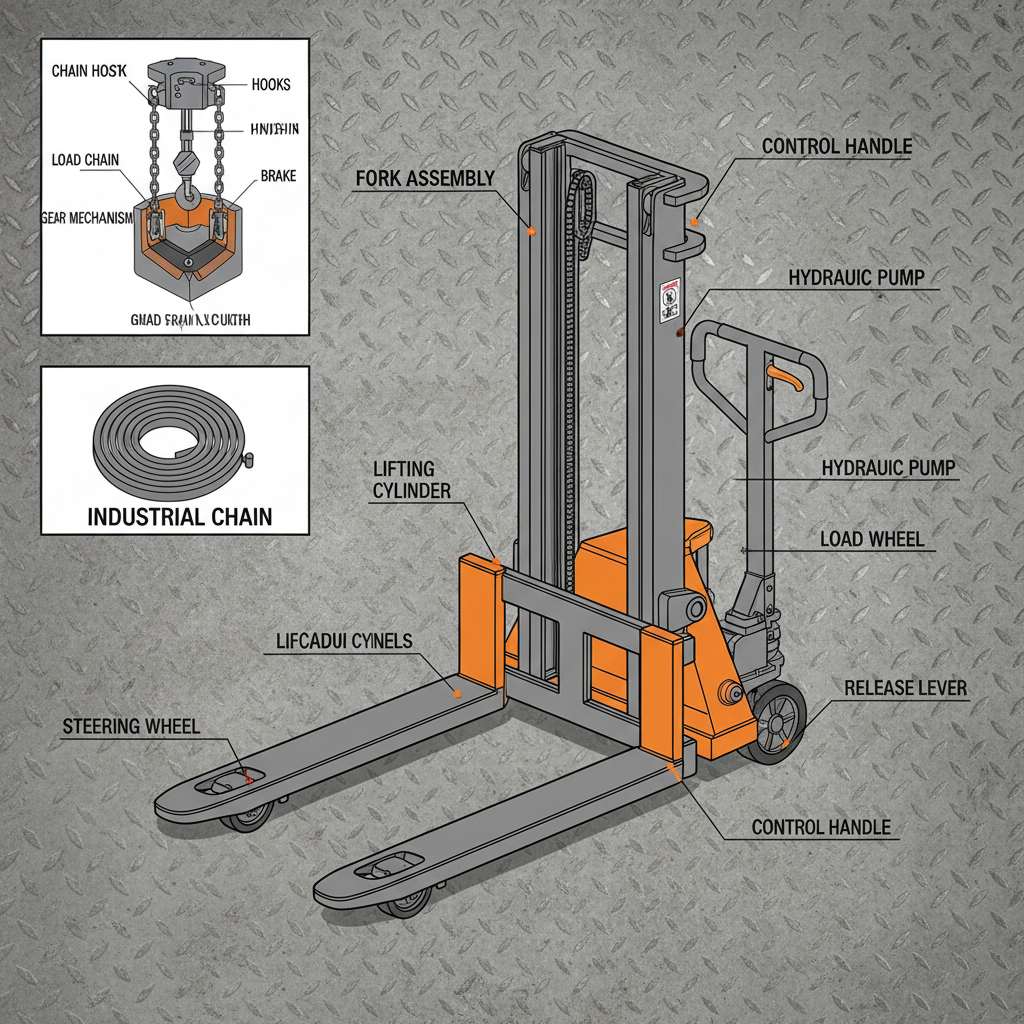
The durability of a low lift pallet truck starts with its chassis. Constructed typically from reinforced steel, the frame must withstand thousands of cycles of loading and unloading without warping. The structural integrity ensures that the weight is distributed evenly, preventing the pallet from tilting during transport.
At the heart of the machine is the hydraulic pump system. A high-quality low lift pallet truck utilizes a precision-engineered valve and cylinder assembly that allows the operator to lift heavy loads with minimal physical effort. This hydraulic efficiency is what makes the tool "ergonomic," reducing the strain on the operator's back and shoulders.
Finally, wheel material plays a decisive role in performance. Polyurethane wheels are preferred for smooth warehouse floors to prevent marking and noise, while nylon or cast iron wheels are utilized for rugged outdoor environments. Choosing the right wheel for your low lift pallet truck directly impacts the pulling force required and the overall lifespan of the equipment.
Practical Applications Across Global Industries
The versatility of the low lift pallet truck allows it to be deployed across a vast array of sectors. In the pharmaceutical industry, where sterile environments and quiet operations are mandatory, these trucks are used to move temperature-sensitive medicines from cold storage to shipping docks without the noise or emissions of internal combustion engines.
In remote industrial zones, such as mining camps or forestry hubs, the manual version of the low lift pallet truck is prized for its lack of dependency on electricity. Its ability to function in harsh conditions with minimal maintenance makes it the go-to solution for transporting heavy equipment and supplies across uneven terrain.
Comparative Efficiency of Pallet Transport Methods
Long-Term Value and Operational Advantages
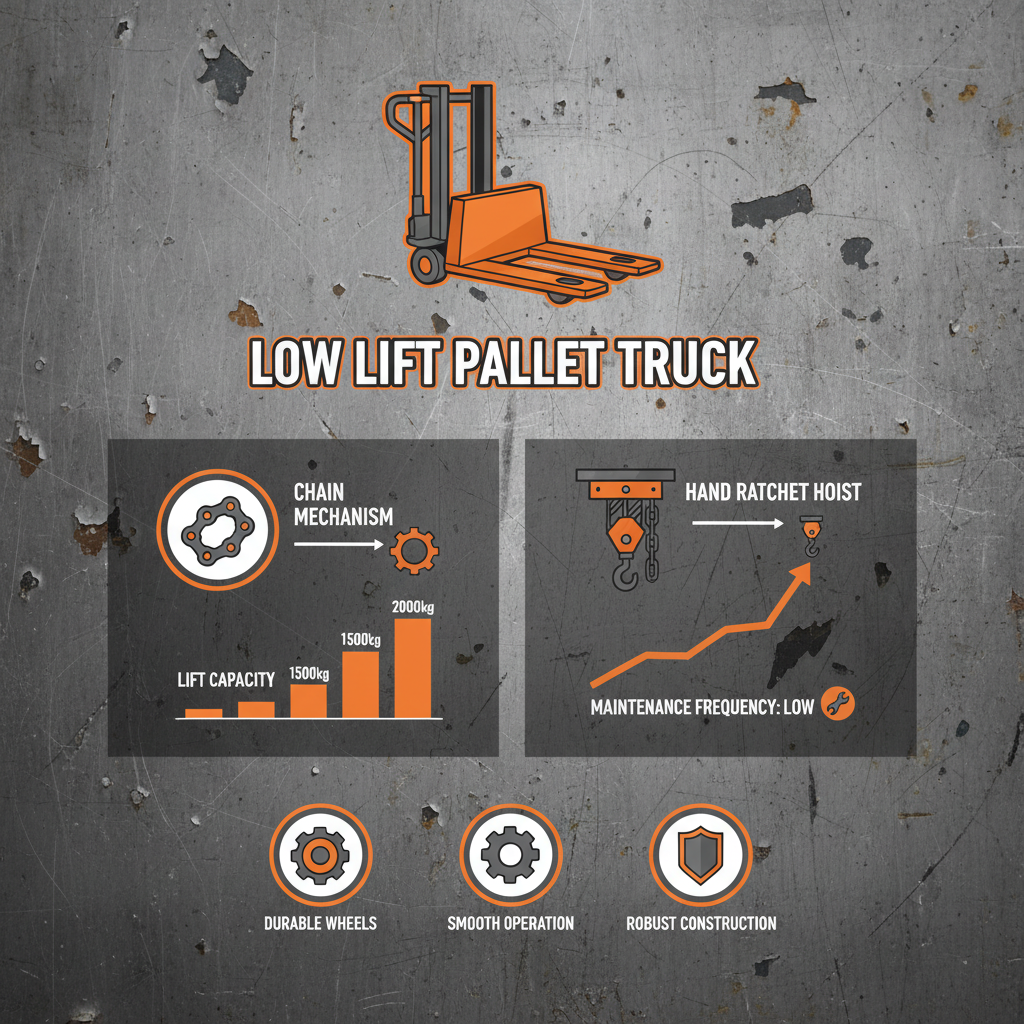
Investing in a fleet of low lift pallet truck units provides immediate cost-efficiency. Unlike heavy machinery, these trucks require virtually no fuel and have low maintenance costs, consisting primarily of occasional hydraulic fluid top-ups and wheel replacements. This leads to a significantly lower total cost of ownership (TCO) over a five-year period.
Beyond the financial logic, there is a strong emotional and safety angle. Providing workers with a reliable low lift pallet truck demonstrates a commitment to their dignity and health. By eliminating the need for manual lifting of heavy crates, companies foster a culture of safety and trust, which in turn reduces employee turnover and increases overall productivity.
Future Innovations in Material Handling
The future of the low lift pallet truck is moving toward "smart" integration. We are seeing the rise of IoT-enabled trucks that can track the number of loads moved, monitor battery health in electric models, and even alert managers when a unit requires preventive maintenance. This digital transformation turns a simple tool into a data-gathering asset.
Sustainability is also driving material innovation. New, lighter-weight alloys are being tested to reduce the dead weight of the truck without sacrificing load capacity. Furthermore, the shift toward lithium-iron-phosphate (LiFePO4) batteries in electric low lift pallet truck models ensures faster charging times and a longer lifecycle, aligning with global green energy goals.
Automation is the final frontier. While fully autonomous robots are emerging, the "semi-automated" low lift pallet truck—which uses sensors to assist the operator in navigating tight spaces or automatically braking to avoid collisions—is becoming the new standard for safety-conscious enterprises.
Overcoming Common Challenges in Pallet Transport
One of the most common challenges users face with a low lift pallet truck is hydraulic drift, where the load slowly descends during transport. This is often caused by worn-out seals or air trapped in the system. The expert solution is a regular bleeding process of the hydraulic pump and the use of high-viscosity oil to maintain a tight seal under pressure.
Another limitation is floor compatibility. Using a truck with the wrong wheel material can lead to floor damage or excessive rolling resistance. To overcome this, facility managers should conduct a floor audit; for example, epoxy-coated floors pair best with polyurethane, while concrete slabs with debris are better handled by heavy-duty nylon wheels.
Finally, operator fatigue remains a concern in high-volume environments. Transitioning from a manual low lift pallet truck to a powered electric version for long-distance hauls can eliminate this bottleneck. By implementing a hybrid fleet—manual for short shifts and electric for long hauls—companies can maximize both cost-savings and worker performance.
Analysis of Low Lift Pallet Truck Performance by Configuration
| Truck Type |
Load Capacity |
Maintenance Level |
Durability Score (1-10) |
| Manual Steel Frame |
2000kg - 2500kg |
Very Low |
9 |
| Electric Semi-Auto |
1500kg - 2000kg |
Medium |
8 |
| Stainless Steel (Food Grade) |
1000kg - 1500kg |
Low |
10 |
| Heavy Duty Galvanized |
3000kg+ |
Low |
9 |
| Compact Low-Profile |
1000kg - 1200kg |
Medium |
7 |
| All-Terrain Hybrid |
2000kg |
High |
8 |
FAQS
A low lift pallet truck is designed primarily for horizontal transport, lifting the pallet only a few inches to clear the floor. In contrast, a stacker is designed for vertical storage, capable of lifting pallets to heights of several meters to place them on warehouse racks. While stackers offer more versatility in storage, low lift trucks are faster, more compact, and more cost-effective for simple movement.
The choice depends on your environment. Polyurethane is ideal for smooth, indoor floors as it is quiet and non-marking. Nylon is better for slightly rougher surfaces as it provides lower rolling resistance. Cast iron or heavy-duty rubber is recommended for outdoor use or industrial sites with debris, where puncture resistance and extreme durability are required.
This is usually caused by one of three things: low hydraulic oil levels, air trapped in the hydraulic cylinder, or a leaking seal. First, check the oil level and top it up if necessary. If the problem persists, you may need to "bleed" the system by pumping the handle rapidly while the release valve is open to remove air bubbles. If neither works, a seal replacement is likely required.
Yes, if your facility handles high volumes or long distances. Electric models significantly reduce operator fatigue and increase the speed of transport. While the initial cost is higher, the gain in productivity and the reduction in workplace strain-related injuries typically result in a positive return on investment (ROI) within the first 12 to 18 months of operation.
Standard models are designed for flat, hard surfaces. However, "All-Terrain" or "Heavy Duty" versions with larger, pneumatic, or wide-profile wheels can handle uneven ground. If you plan to use a truck outdoors, ensure you select a galvanized frame to prevent rust and wheels specifically rated for outdoor surfaces to avoid premature wear.
For high-intensity use, we recommend a professional inspection every six months. This includes checking the hydraulic fluid quality, lubricating moving joints, and inspecting the wheels for flat spots. For low-to-medium use, an annual check-up is usually sufficient to ensure the equipment remains safe and efficient.
Conclusion
The low lift pallet truck remains a cornerstone of global material handling due to its unmatched blend of simplicity, durability, and efficiency. By focusing on core engineering factors—such as hydraulic precision and chassis strength—businesses can drastically improve their internal logistics and worker safety. From manual units in remote zones to IoT-enabled electric trucks in smart warehouses, these tools ensure that the global flow of goods remains seamless and sustainable.
As we look toward the future, the integration of green energy and semi-automation will further elevate the role of these essential machines. For any facility looking to optimize its operational throughput and prioritize employee health, investing in a high-quality, well-maintained fleet of pallet trucks is the most logical step forward. To explore our range of professional lifting solutions and find the perfect fit for your operations, visit our website: www.qyjuli.com