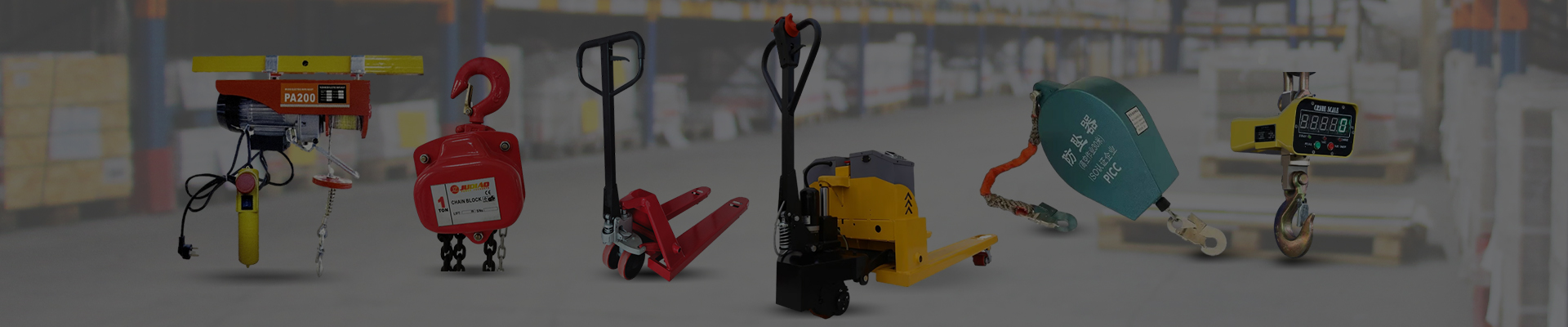


In a world that's constantly on the move—where industries grow and infrastructures stretch into remote corners—tools like the mini hoist with trolley quietly play an outsized role. You might not notice it, but these compact lifting devices ensure everything from factory assembly lines to emergency relief operations runs smoothly and safely. Understanding them is not just for engineers; it's for anyone who appreciates the ingenuity that powers modern logistics and humanitarian missions.
Globally, small-scale lifting technology like this improves worker safety, enhances operational efficiency, and drives down costs—helping communities and industries alike manage heavy-duty tasks with a surprisingly lightweight solution.
To put it bluntly, the mini hoist with trolley represents a surprisingly vital cog in global supply chains and emergency response frameworks. According to the International Organization for Standardization (ISO), workplace accidents involving lifting equipment drop significantly with proper mechanical aids. Yet, in many developing regions—where manual labor still dominates, and infrastructure investments lag—there’s a clear, ongoing need for accessible, durable lifting solutions.
And that is where mini hoists with trolleys step in. They address challenges like limited space, budget constraints, and diverse load requirements. Frankly, without them, many industries from manufacturing hubs in Southeast Asia to construction sites in Eastern Europe would struggle with efficiency and safety at scale.
Think of it as a small but mighty assistant that handles the lifting and moving of loads along a predefined rail or beam. The “mini hoist” is the motorized or manual device that lifts weights vertically. The “trolley” is the wheeled mechanism that moves the hoist horizontally along a beam — allowing a load to be transported across a workspace easily and precisely.
These tools are deeply connected to modern industry because of their role in streamlining workflow and reducing manual strain. They’re also significant in humanitarian work—moving supplies or equipment during disaster relief where speed and reliability can save lives.
A solid frame, often steel or reinforced aluminum, means these devices can withstand harsh environments. Many engineers I’ve chatted with praise models with a powder-coated finish for corrosion resistance, increasing lifespan even in humid or dusty conditions.
Though compact, mini hoists come in a variety of load capacities, roughly from 125 kg up to 1,000 kg or more. The ability to choose a model that fits an exact need—rather than overspending on oversized gear—is invaluable.
The trolley wheels and hooks are often crafted to glide smoothly over I-beams or tracks. Quick installation means less downtime, a crucial factor in busy workshops or relief zones.
Beyond the initial investment, many users find that maintenance costs stay low due to the simplicity of mechanical components. No fancy electronics (unless you want them)—just reliable, easy-to-service machinery.
From overload protection to smooth braking systems, safety’s always a big talking point. After all, what’s the use of a hoist if it can’t protect workers from accidents?
If you imagine factories in Germany running assembly lines or warehouses in Brazil organizing trucks, mini hoists with trolleys are quietly at work. One example comes from Southeast Asia, where garment factories rely on these tools to streamline large fabric rolls onto cutting tables.
In post-disaster relief efforts—say, after a typhoon in the Philippines—portable hoists help unload heavy emergency supplies swiftly from trucks to shelters without huge cranes. It’s these nimble machines that make those rapid responses possible.
Remote mining operations in Australia also depend on mini hoists to manage heavy equipment without the hassle of bulky cranes, especially where terrain makes large machinery impractical.
One thing to stress is the balance they strike between innovation and reliability. They’re not flash-in-the-pan gadgets but tough, proven tools that enhance safety dramatically. Worker injury rates can plummet thanks to the reduced need for manual lifting, which also improves morale (a factor often overlooked).
On an emotional level, these devices maintain worker dignity—lifting heavy loads safely means fewer strained backs and less fatigue. In sustainability terms, many modern mini hoists are designed for decades of service and can be refurbished, which reduces waste and costs.
| Specification | Typical Range / Example |
|---|---|
| Load Capacity | 125 kg – 1,000 kg |
| Power Source | Electric, Pneumatic, Manual |
| Trolley Operation | Manual Push or Motorized |
| Lifting Speed | 2–12 m/min (variable by model) |
| Material | Steel or Aluminum Alloy |
| Safety Features | Overload Protection, Emergency Stop |
| Vendor | Product Range | Price Level | Notable Features | Global Reach |
|---|---|---|---|---|
| QYJuli Hoists | 125–1,000 kg | Mid | Easy maintenance, corrosion-resistant | Asia, Europe |
| LiftMaster Pro | 250–2,000 kg | High | Motorized trolley, digital controls | North America, Europe |
| EcoLift Systems | 100–700 kg | Low | Lightweight aluminum, eco-friendly coatings | Africa, Asia |
In my conversations with industry experts, one recurring theme is digital transformation—think IoT-enabled devices that report load weight and operational status in real-time to prevent overload or downtime. Green energy also plays a part, with more electric mini hoists being powered by renewable grid sources or battery tech emerging for off-grid use.
Material science is evolving too—lighter and stronger alloys with less environmental impact could soon become standard, alongside modular designs that make repairs and upgrades kinder to the planet.
Oddly enough, policy shifts around workplace safety standards worldwide also press manufacturers to innovate faster, ensuring mini hoists not only work smart but work safe everywhere.
Without sugar-coating it: limited load capacity and track compatibility issues remain common complaints. Sometimes a mini hoist doesn’t fit the beam profile, or the trolley wheels wear quickly in abrasive settings.
But clever aftermarket parts, such as adjustable trolley width or sealed bearings, help address these. Also, routine checks and training reduce misuse risks significantly.
Some companies run live demos or VR training to bridge knowledge gaps—seriously, investing just a bit more in user education pays off long term.
In real terms, the mini hoist with trolley may not grab headlines, but it quietly powers essential tasks around the globe—keeping operations safe, efficient, and adaptable. If you value cost efficiency, durability, and versatility in your lifting equipment, these tools deserve a place on your shortlist.
Curious which model might fit your project? Visit our website to explore options and expert advice: QYJuli Mini Hoists & Trolleys.
Choosing the right mini hoist with trolley means safer workplaces, smarter workflows, and equipment that doesn’t quit on you even after years of service.


 Afrikaans
 Albanian
 Amharic
 Arabic
 Armenian
 Azerbaijani
 Basque
 Belarusian
 Bengali
 Bosnian
 Bulgarian
 Catalan
 Cebuano
 China
China
 China (Taiwan)
 Corsican
 Croatian
 Czech
Czech
 Danish
 Dutch
Dutch
 Esperanto
 Estonian
 Finnish
 French
 Frisian
 Galician
 Georgian
 German
 Greek
Greek
 Gujarati
 Haitian Creole
 Hausa
Hausa
 Hawaiian
 Hebrew
 Hindi
Hindi
 Miao
Miao
 Hungarian
 Icelandic
 Igbo
Igbo
 Indonesian
 Irish
Irish
 Italian
 Japanese
 Javanese
 Kannada
 Kazakh
 Khmer
Khmer
 Rwandese
 Korean
 Kurdish
 Kyrgyz
 Lao
Lao
 Latin
Latin
 Latvian
 Lithuanian
 Luxembourgish
 Macedonian
 Malgashi
 Malay
Malay
 Malayalam
 Maltese
 Maori
Maori
 Marathi
 Mongolian
 Myanmar
 Nepali
 Norwegian
 Norwegian
 Occitan
 Pashto
 Persian
 Polish
 Portuguese
 Punjabi
 Romanian
 Russian
 Samoan
 Scottish Gaelic
 Serbian
 Sesotho
 Shona
Shona
 Sindhi
 Sinhala
 Slovak
 Slovenian
 Somali
 Spanish
 Sundanese
 Swahili
 Swedish
 Tagalog
 Tajik
Tajik
 Tamil
Tamil
 Tatar
Tatar
 Telugu
 Thai
Thai
 Turkish
 Turkmen
 Ukrainian
 Urdu
Urdu
 Uighur
 Uzbek
Uzbek
 Vietnamese
 Welsh
Welsh
 Bantu
Bantu
 Yiddish
 Yoruba
 Zulu
Zulu
 English