In the fast-paced world of logistics and material handling, the ability to move heavy loads across diverse terrains is critical for operational efficiency. An outdoor pallet truck serves as the backbone for warehouses that extend their operations beyond the smooth concrete of indoor floors, bridging the gap between storage and transport.
Unlike standard indoor models, these rugged machines are engineered to withstand the elements, from corrosive moisture to uneven gravel paths. By integrating heavy-duty chassis and weather-resistant components, the outdoor pallet truck ensures that supply chains remain fluid, reducing manual labor and minimizing the risk of workplace injuries during outdoor transit.
Understanding the nuances of choosing the right equipment—whether it be manual, semi-electric, or fully electric—allows businesses to optimize their throughput. This guide explores the technical specifications, global applications, and future innovations of the outdoor pallet truck, providing a comprehensive resource for procurement managers and facility engineers.
Global Industry Context of Outdoor Pallet Trucks
On a global scale, the demand for specialized material handling equipment has surged as the "Last Mile" delivery sector expands. According to logistics trends aligned with ISO standards for industrial trucks, there is an increasing need for equipment that can transition seamlessly between loading docks and external staging areas. The outdoor pallet truck addresses the critical failure point where standard indoor trucks often break down due to wheel degradation or hydraulic leaks caused by debris.
Many industries, particularly in emerging markets, struggle with "infrastructure gaps"—areas where the warehouse floor ends and an unpaved yard begins. This transition creates a bottleneck that reduces productivity by up to 30%. By deploying ruggedized pallet trucks, companies can maintain a consistent flow of goods, ensuring that the transition from a shipping container to the warehouse remains uninterrupted regardless of the weather or surface quality.
Defining the Modern Outdoor Pallet Truck
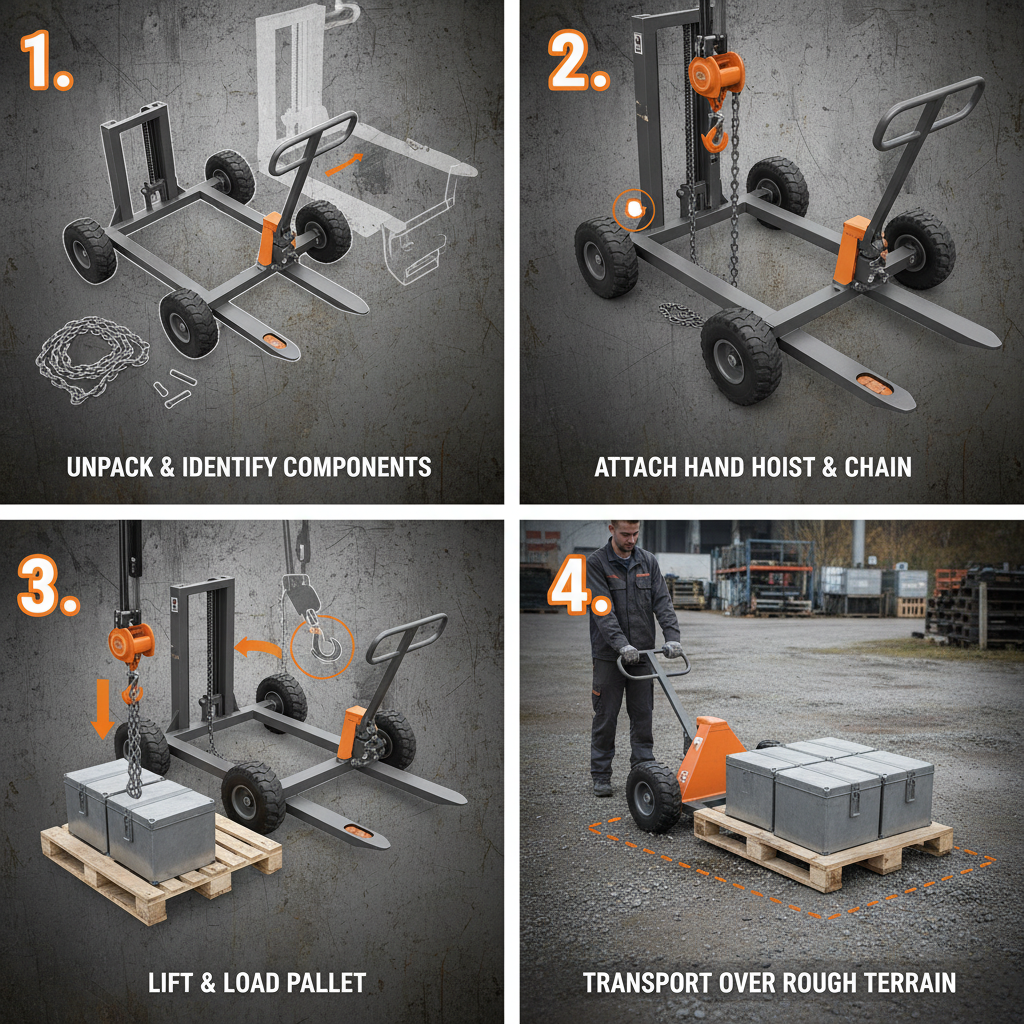
At its core, an outdoor pallet truck is a heavy-duty industrial tool designed to lift and move palletized loads across non-industrial surfaces. Unlike its indoor counterpart, it features reinforced steel frames, specialized tire compounds (such as polyurethane or pneumatic rubber), and sealed hydraulic systems that prevent the ingress of dust, sand, and water.
Beyond simple movement, these trucks are essential for humanitarian and industrial needs in remote zones. For example, in disaster relief operations, the ability to move medical supplies from a landing strip to a temporary shelter across mud or gravel is a matter of urgency. The outdoor pallet truck provides the mechanical advantage necessary to move tons of equipment without requiring a full-sized forklift, which might be too heavy for soft ground.
Modern iterations of these machines now integrate ergonomic handles and precision braking systems, ensuring that operators can maintain control even on slight inclines. This evolution reflects a shift in industry standards, where the focus has moved from mere "lifting capacity" to "operational versatility," allowing one piece of equipment to serve multiple environments.
Core Components for Rugged Performance
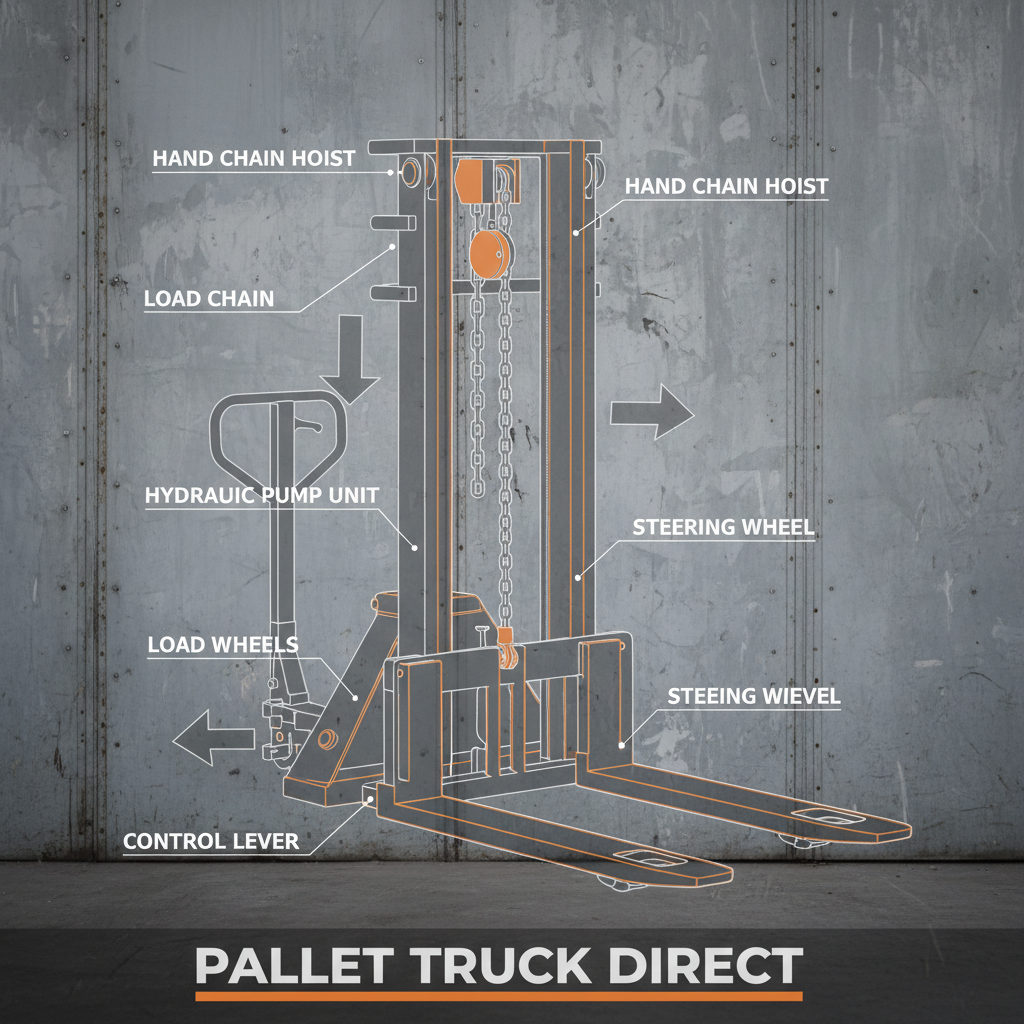
Durability is the primary metric for any outdoor pallet truck. The chassis is typically constructed from high-grade reinforced steel with an anti-corrosion powder coating to prevent rust when exposed to rain or salty coastal air. This structural integrity ensures that the truck does not warp under maximum load when traversing uneven ground.
The wheel assembly is where the most significant engineering occurs. While indoor trucks use hard nylon wheels, the outdoor pallet truck utilizes wide, puncture-proof rubber or pneumatic tires. These components distribute the weight more evenly, preventing the truck from sinking into asphalt or soft soil, while providing a dampened ride that protects the fragile goods being transported.
Finally, the hydraulic pump system in these trucks is often "over-engineered." By using high-viscosity oils and sealed gaskets, the lift mechanism remains operational even in extreme temperature fluctuations. This ensures that whether the truck is operating in a freezing winter port or a scorching desert warehouse, the lifting force remains consistent and reliable.
Comparative Efficiency in Outdoor Logistics
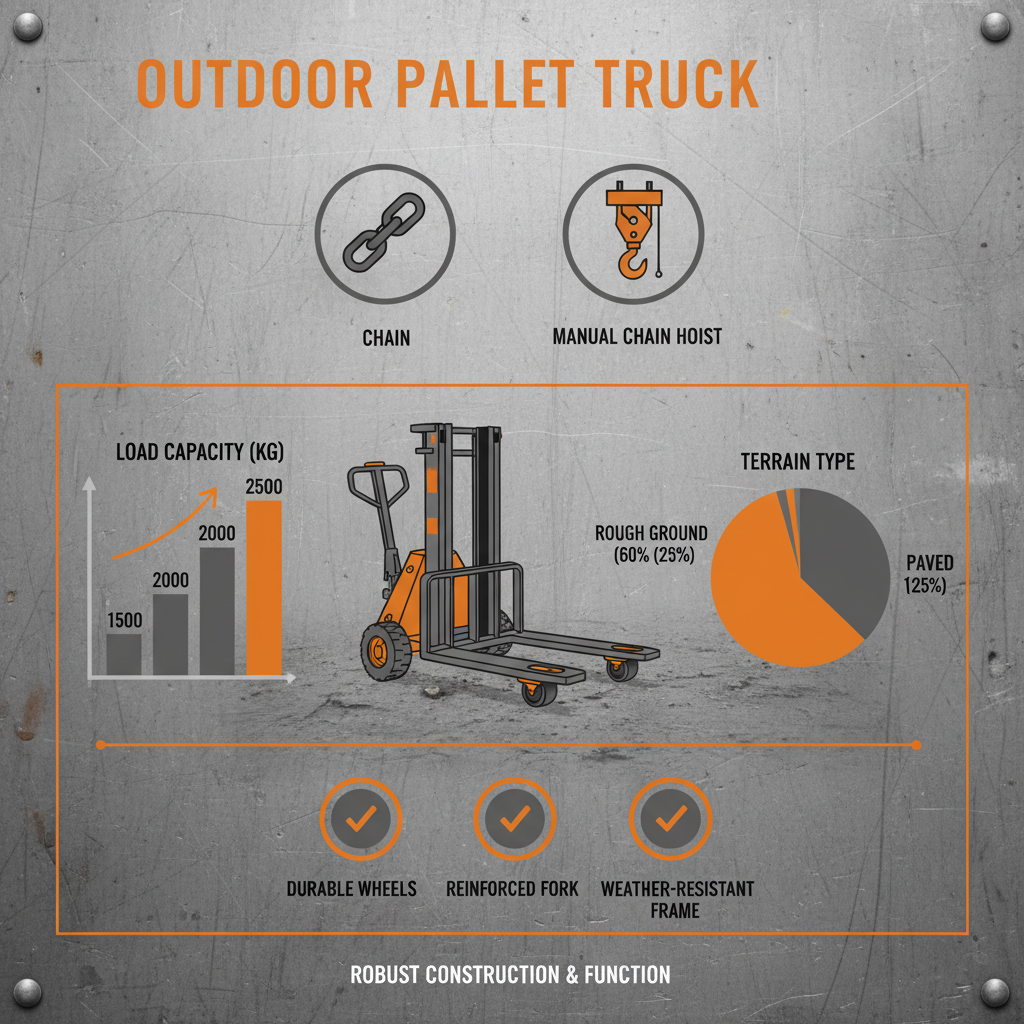
When evaluating the operational impact of an outdoor pallet truck, it is essential to compare different drive systems. Manual trucks offer the highest reliability due to zero electronic failure points, while electric models drastically reduce operator fatigue and increase the speed of throughput in large-scale yards.
The choice of equipment directly correlates with the "cost per move." While the initial investment for a motorized outdoor truck is higher, the reduction in man-hours and the decrease in workplace strain injuries provide a significant return on investment (ROI) over a 36-month period.
Efficiency Ratings of Outdoor Pallet Truck Variations
Global Applications and Use Cases
The versatility of the outdoor pallet truck makes it indispensable across various sectors. In the aviation industry, these trucks are used on tarmacs to move cargo containers from aircraft to sorting facilities. Because aircraft aprons are subject to extreme weather and chemical spills (such as aviation fuel), the corrosion-resistant build of these trucks is a safety requirement.
Similarly, in the agricultural sector, outdoor pallet trucks are used to transport harvested produce from the field's edge to the cooling warehouse. In regions like Southeast Asia or South America, where terrain can be uneven and humid, these trucks ensure that perishable goods are moved quickly, reducing spoilage and enhancing the overall supply chain efficiency.
Long-Term Value and Safety Benefits
Investing in a high-quality outdoor pallet truck provides more than just mechanical assistance; it provides peace of mind. By reducing the need for employees to manually push heavy loads across rough surfaces, companies see a marked decrease in musculoskeletal disorders (MSDs), leading to lower insurance premiums and higher employee retention.
From a logical perspective, the long-term value is found in the reduction of equipment replacement cycles. Cheap, indoor-grade trucks used outdoors typically fail within six months. In contrast, a dedicated outdoor model can last several years with minimal maintenance, significantly lowering the total cost of ownership (TCO).
Moreover, the emotional impact of providing workers with the right tools cannot be overstated. When an operator feels secure and supported by their equipment, their productivity increases, and the risk of accidents—such as loads tipping due to wheel failure—is virtually eliminated.
Future Trends and Technological Innovations
The future of the outdoor pallet truck is leaning heavily toward "Green Energy" and "Smart Logistics." We are seeing a transition from lead-acid batteries to Lithium-Iron Phosphate (LiFePO4) batteries, which offer faster charging times and a longer lifespan, even in the extreme temperature swings typical of outdoor environments.
Automation is another frontier. The integration of IoT sensors allows fleet managers to track the location and health of their pallet trucks in real-time. Predictive maintenance algorithms can now alert a manager when a wheel is wearing down or a hydraulic seal is nearing failure, preventing costly downtime before it happens.
As the industry moves toward Carbon Neutrality, we expect to see more autonomous, electric-powered pallet trucks that can navigate outdoor yards using LiDAR and GPS, further removing the human element from dangerous outdoor loading zones.
Analysis of Outdoor Pallet Truck Specifications by Terrain Type
| Terrain Type |
Recommended Wheel Material |
Durability Score (1-10) |
Maintenance Frequency |
| Smooth Concrete/Asphalt |
Polyurethane |
9 |
Low |
| Gravel/Packed Dirt |
Pneumatic Rubber |
8 |
Medium |
| Wet/Damp Surfaces |
Anti-Slip Rubber |
7 |
High |
| Industrial Yards |
Heavy Duty PU |
9 |
Medium |
| Sandy/Soft Terrain |
Wide-Tread Rubber |
6 |
High |
| Cold Storage Docks |
Special Cold-Resistant Rubber |
8 |
Medium |
FAQS
The primary differences lie in the wheel material and the chassis protection. An outdoor pallet truck uses rubber or pneumatic tires to handle uneven surfaces and incorporates anti-corrosive coatings and sealed hydraulics to prevent damage from rain, dust, and debris, which would quickly destroy a standard indoor model.
Yes, provided the truck is equipped with pneumatic or wide-tread rubber wheels. Standard nylon wheels will sink into gravel, making the truck impossible to move. A dedicated outdoor model ensures the load is distributed across a wider surface area, allowing for smooth movement on unpaved ground.
Due to exposure to the elements, outdoor trucks require more frequent inspections. We recommend a monthly check of the hydraulic fluid levels and a weekly cleaning of the wheel axles to remove grit and salt, which can cause premature wear. Lubricating the pivot points every quarter is also essential.
Most professional-grade electric outdoor pallet trucks are designed with IP (Ingress Protection) ratings that protect the battery and motor from water splashes. However, they should not be submerged. Always ensure the charging ports are properly sealed and use models specifically rated for outdoor use.
Typical capacities range from 2,000kg to 5,000kg. Because outdoor terrain can affect stability, it is often recommended to choose a truck with a capacity slightly higher than your maximum expected load to ensure a higher safety margin and less strain on the hydraulic pump.
Choose a semi-electric model if you only need assistance with lifting but are moving short distances. Choose a full-electric model if you are transporting loads across large outdoor yards, as the powered drive significantly reduces operator fatigue and increases the speed of material movement.
Conclusion
The integration of a specialized outdoor pallet truck into your logistics chain is more than a simple equipment upgrade; it is a strategic decision to enhance durability, safety, and operational speed. By addressing the unique challenges of outdoor terrains—such as corrosion, uneven surfaces, and extreme weather—these tools ensure that the flow of goods remains uninterrupted from the point of arrival to the point of storage.
Looking forward, the shift toward electrification and smart monitoring will further redefine how we handle outdoor materials. Businesses that adopt these rugged, innovative solutions today will not only reduce their operational costs but also create a safer, more dignified working environment for their staff. To explore our full range of industrial lifting solutions, visit our website: www.qyjuli.com