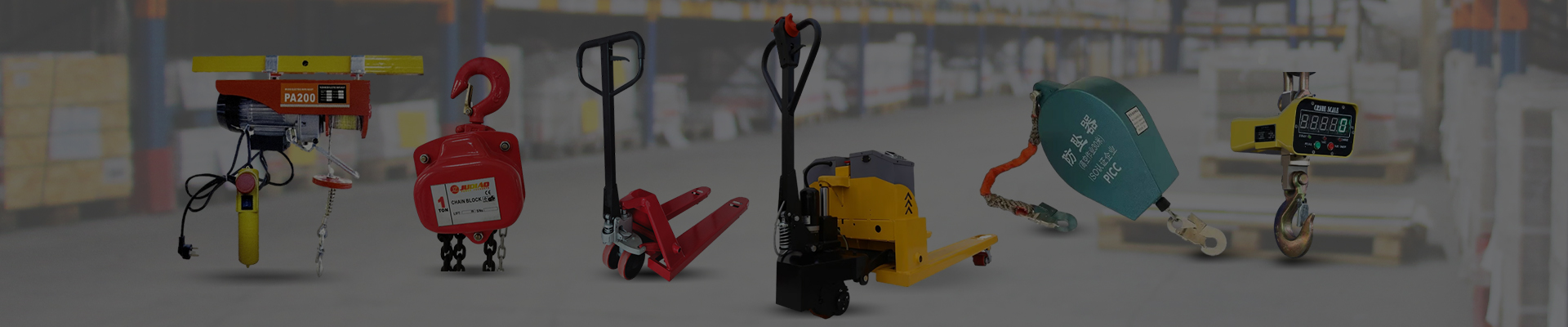


If you've ever skimmed a safety manual or worked at heights, you're probably familiar with the term retractable fall arrest block. But what exactly is it, and why does it matter on a global scale? Simply put, these devices save lives by preventing serious injuries during falls on construction sites, industrial plants, or even rescue operations. As urban skylines grow and industries expand vertically, ensuring worker safety isn't just a compliance issue—it’s a human necessity. Understanding how retractable fall arrest blocks function gives employers and safety officers a tangible way to protect their teams and save costs related to accidents.
Workplace falls account for one of the highest rates of injuries and fatalities worldwide, according to the International Labour Organization (ILO). The World Health Organization also highlights that falls remain a leading cause of trauma. Modern industry’s upward trajectory—skyscrapers, wind turbines, telecom towers—only ups the stakes.
Retractable fall arrest blocks address this challenge by providing a dynamic, self-retracting lifeline that allows workers mobility while locking instantly if a fall happens. This technology isn't just a luxury; it’s a legal requirement in many regions adhering to ISO standards for occupational safety. The global push for safer working environments has increased their adoption, especially in fast-developing economies.
Simply, a retractable fall arrest block is a safety device that contains a spool of strong webbing or cable that automatically rewinds or extends as a worker moves. Upon a sudden fall, an internal braking system locks the line, stopping the descent quickly but gently. Think of it as a seatbelt for heights—it frees you to work but protects you when you slip.
This mechanism supports modern industrial and humanitarian projects alike. For instance, rescue teams responding to disasters use these blocks to safely access unstable structures. Similarly, utility workers maintain high voltage lines using these devices without sacrificing mobility.
Typically crafted from corrosion-resistant steel or aluminum with heavy-duty polymer casings, these blocks withstand harsh environments—from offshore oil rigs to desert solar farms.
This feature is the heart of the device. It uses centrifugal force or similar principles to activate instantly during free-fall, halting the worker’s fall within centimeters.
This cable or webbing adapts length dynamically, giving the user enough slack to move freely while minimizing fall distance risk.
Most blocks come with hooks or connectors that allow easy installation on various anchor points, ensuring adaptability across industries.
While the size can vary, lighter designs improve ease of use on jobs requiring significant movement or rapid deployment.
| Specification | Details |
|---|---|
| Lifeline Length | 5 - 30 meters |
| Material | Stainless steel cable or polyester webbing |
| Braking Mechanism | Centrifugal force or ball-bearing based |
| Max Arrest Force | 6 kN (kilonewtons) |
| Weight | 2 - 5 kg depending on length and material |
From Europe’s skyscraper constructions to remote mines in Australia, retractable fall arrest blocks form an integral safety measure worldwide. In disaster relief, they enable safe vertical access to collapsed structures—think earthquake aftermath or hurricane aftermaths. In industrial zones, employees use these for routine inspections on large infrastructure like dams or bridges.
With rapidly urbanizing areas in Asia and Africa, where regulation enforcement is strengthening, the demand for such fall protection gear is booming. Organizations like the International Safety Equipment Association and OSHA constantly update guidelines to include these fall arrest systems.
Here’s a quick comparison of leading vendors:
| Vendor | Material Quality | Price Range | Unique Feature |
|---|---|---|---|
| SafeStop Co. | Premium stainless steel | $250 - $400 | Integrated fall indicator |
| SecureLine Ltd. | Aluminum casing, polyester cable | $180 - $320 | Lightweight design for portability |
| Guardian Devices | Corrosion resistant steel | $300 - $450 | Dual braking system for extra safety |
Beyond the obvious life-saving factor, retractable fall arrest blocks deliver tangible benefits. They lower insurance costs by reducing workplace accidents, foster a culture of safety that boosts morale, and often comply with the latest OSHA or ISO standards, helping companies avoid hefty fines. On a human level—the emotional value is profound. Workers perform their tasks with dignity and peace of mind knowing they can rely on their safety gear.
It feels like technology truly meeting human needs here, especially as industries push for sustainability, integrating corrosion-resistant materials for longer device life and less frequent replacements.
Innovations in materials science are exciting—think carbon-fiber casings that reduce weight or smart sensors embedded into blocks that notify safety managers if the device has arrested a fall or requires maintenance. There’s also growing interest in eco-friendly manufacturing and digital integration with site safety systems. Automation and IoT might soon provide real-time fall detection and data tracking, helping companies analyze near-misses and improve training.
Now, no technology is without flaws. One common challenge is the timely replacement of devices after falls or exposure to harsh weather, which can degrade components. Regular inspections and training are essential — something often overlooked in smaller companies.
Experts recommend detailed maintenance schedules and integrating retractable fall arrest block suppliers who provide on-site inspection services. These partners help ensure equipment reliability and compliance with evolving safety regulations.
All in all, the retractable fall arrest block is an indispensable tool that blends innovation with practicality to safeguard lives worldwide. These devices empower workers with freedom and confidence—qualities that are invaluable on any jobsite. If you’re looking to improve workforce safety or comply with evolving global standards, explore trusted suppliers and consider integrating fall arrest systems today.
Need reliable retractable fall arrest blocks? Visit our website: https://www.qyjuli.com for comprehensive solutions and expert guidance.
In the end, safety isn't just about equipment; it’s about trust, preparation, and caring for those who build our future.


 Afrikaans
 Albanian
 Amharic
 Arabic
 Armenian
 Azerbaijani
 Basque
 Belarusian
 Bengali
 Bosnian
 Bulgarian
 Catalan
 Cebuano
 China
China
 China (Taiwan)
 Corsican
 Croatian
 Czech
Czech
 Danish
 Dutch
Dutch
 Esperanto
 Estonian
 Finnish
 French
 Frisian
 Galician
 Georgian
 German
 Greek
Greek
 Gujarati
 Haitian Creole
 Hausa
Hausa
 Hawaiian
 Hebrew
 Hindi
Hindi
 Miao
Miao
 Hungarian
 Icelandic
 Igbo
Igbo
 Indonesian
 Irish
Irish
 Italian
 Japanese
 Javanese
 Kannada
 Kazakh
 Khmer
Khmer
 Rwandese
 Korean
 Kurdish
 Kyrgyz
 Lao
Lao
 Latin
Latin
 Latvian
 Lithuanian
 Luxembourgish
 Macedonian
 Malgashi
 Malay
Malay
 Malayalam
 Maltese
 Maori
Maori
 Marathi
 Mongolian
 Myanmar
 Nepali
 Norwegian
 Norwegian
 Occitan
 Pashto
 Persian
 Polish
 Portuguese
 Punjabi
 Romanian
 Russian
 Samoan
 Scottish Gaelic
 Serbian
 Sesotho
 Shona
Shona
 Sindhi
 Sinhala
 Slovak
 Slovenian
 Somali
 Spanish
 Sundanese
 Swahili
 Swedish
 Tagalog
 Tajik
Tajik
 Tamil
Tamil
 Tatar
Tatar
 Telugu
 Thai
Thai
 Turkish
 Turkmen
 Ukrainian
 Urdu
Urdu
 Uighur
 Uzbek
Uzbek
 Vietnamese
 Welsh
Welsh
 Bantu
Bantu
 Yiddish
 Yoruba
 Zulu
Zulu
 English