

In the fast-paced world of modern logistics, the warehouse pallet truck serves as the fundamental backbone of material handling. By bridging the gap between bulk storage and precise distribution, these essential tools eliminate the physical strain of manual lifting and dramatically accelerate the flow of goods across supply chains.
The global shift toward e-commerce and just-in-time manufacturing has placed unprecedented pressure on warehouse efficiency. Understanding the nuances of selecting the right pallet truck—whether manual, semi-electric, or fully powered—is no longer just an operational choice but a strategic necessity to maintain competitiveness in a global market.
Integrating a high-quality warehouse pallet truck into your facility ensures not only a boost in productivity but also a significant improvement in workplace safety. This guide explores the technical evolution, practical applications, and long-term value of these machines in the contemporary industrial landscape.
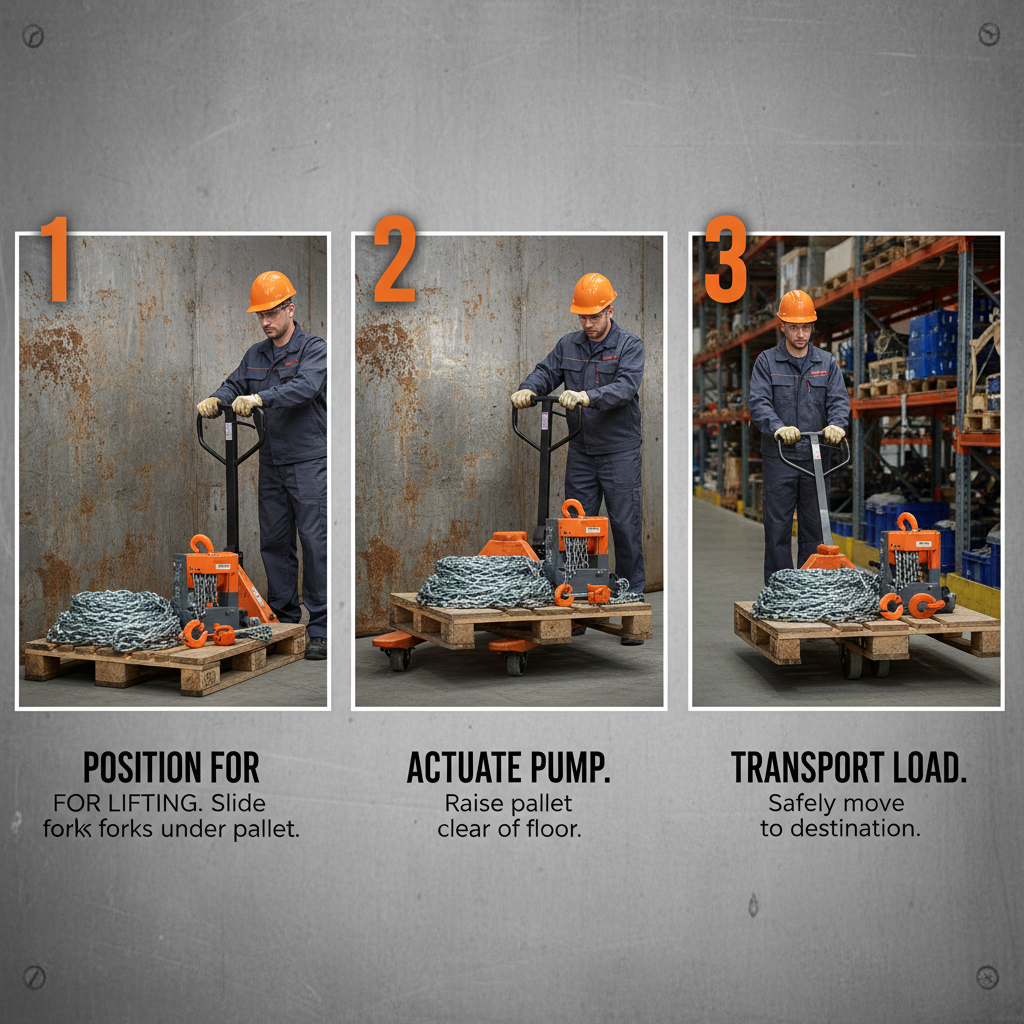
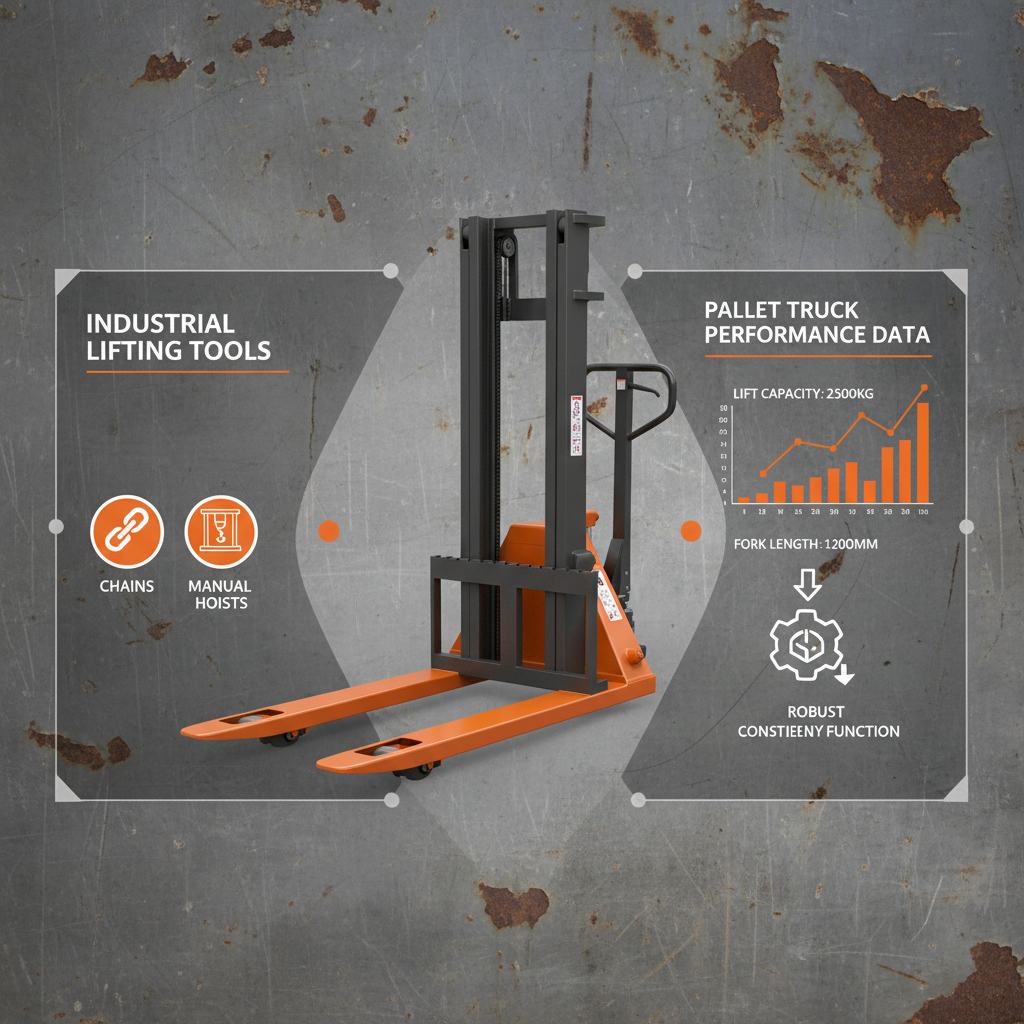
On a global scale, the demand for efficient material handling equipment has surged alongside the growth of international trade. According to industry benchmarks aligned with ISO standards for lifting equipment, the adoption of a standardized warehouse pallet truck has reduced loading times by nearly 40% in developed logistics hubs. As warehouses expand vertically and horizontally, the need for agile, reliable movement of palletized loads has become a primary driver of operational success.
However, many industries still struggle with "bottlenecking"—where the slow movement of goods from the receiving dock to the storage rack creates a ripple effect of delays. This challenge is particularly acute in emerging economies where rapid industrialization often outpaces the implementation of ergonomic handling solutions, leading to increased workplace injuries and inefficient throughput.
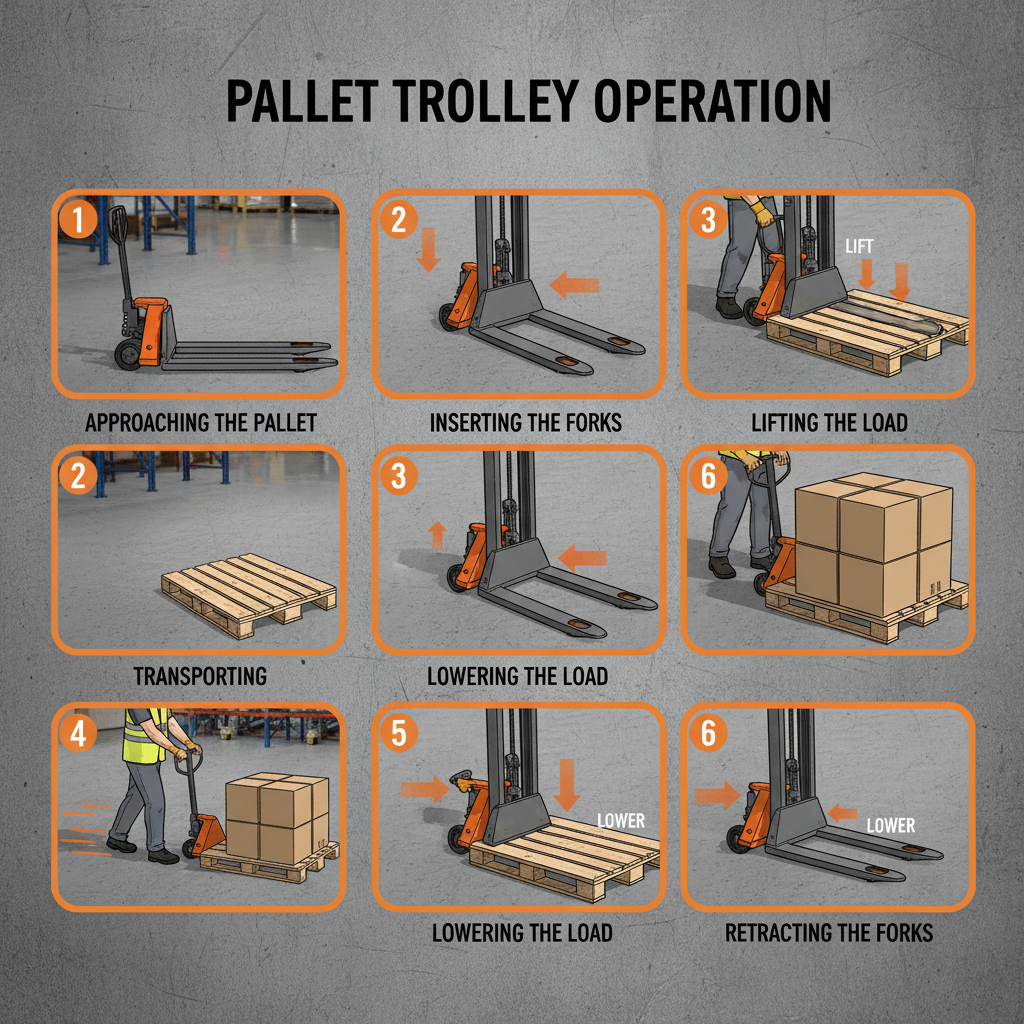
A warehouse pallet truck is primarily designed for horizontal transport and low-level lifting, making it ideal for moving pallets across a floor. A forklift, conversely, is designed for vertical lifting and stacking pallets high on racks. Pallet trucks are more compact, easier to operate, and more cost-effective for simple transport tasks.
Choose a manual truck for low-volume operations, short distances, or environments where charging isn't possible. Opt for an electric warehouse pallet truck for high-volume warehouses, heavy loads, and long distances to reduce operator fatigue and increase the speed of material movement.
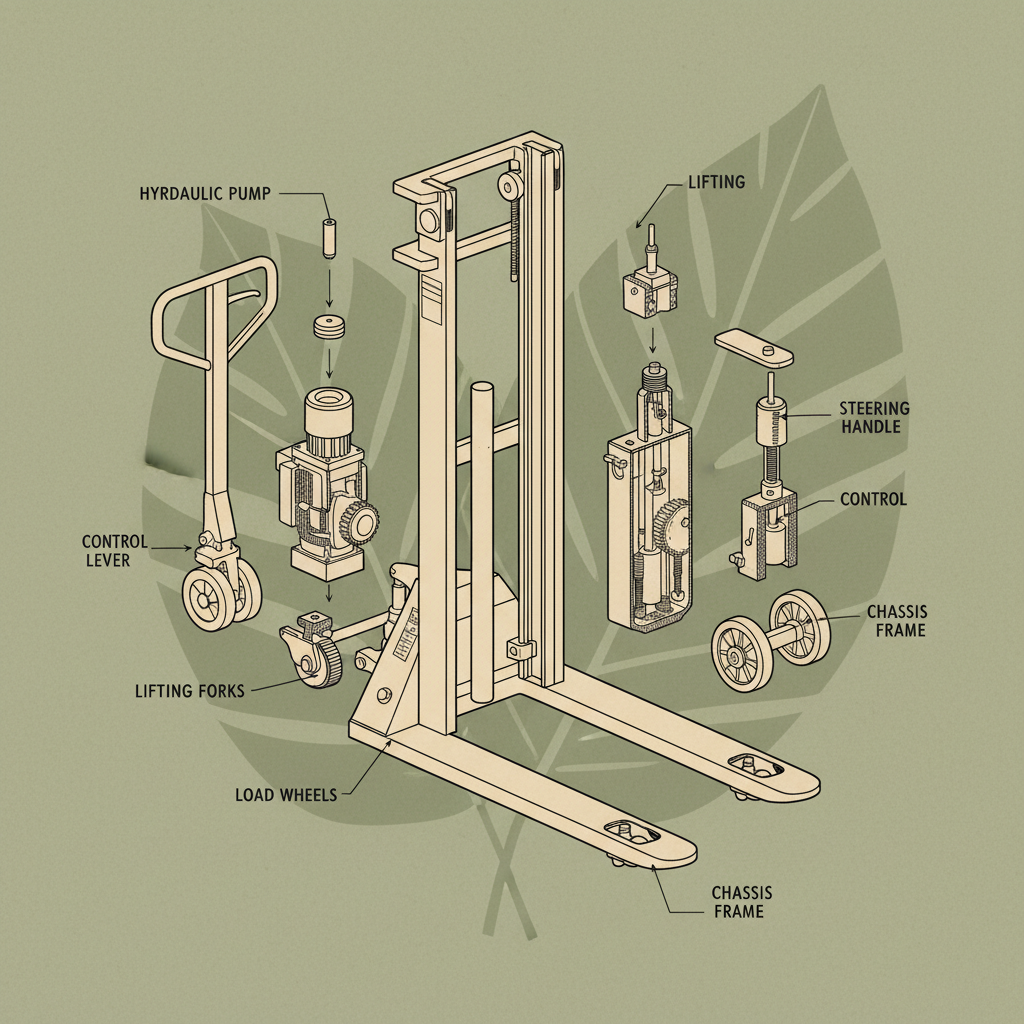
Regular maintenance includes checking the hydraulic oil levels and topping them up, lubricating the grease points on the wheels and chassis, and inspecting the forks for bends or cracks. Ensuring the wheels are free of debris also extends the lifespan of the machine significantly.
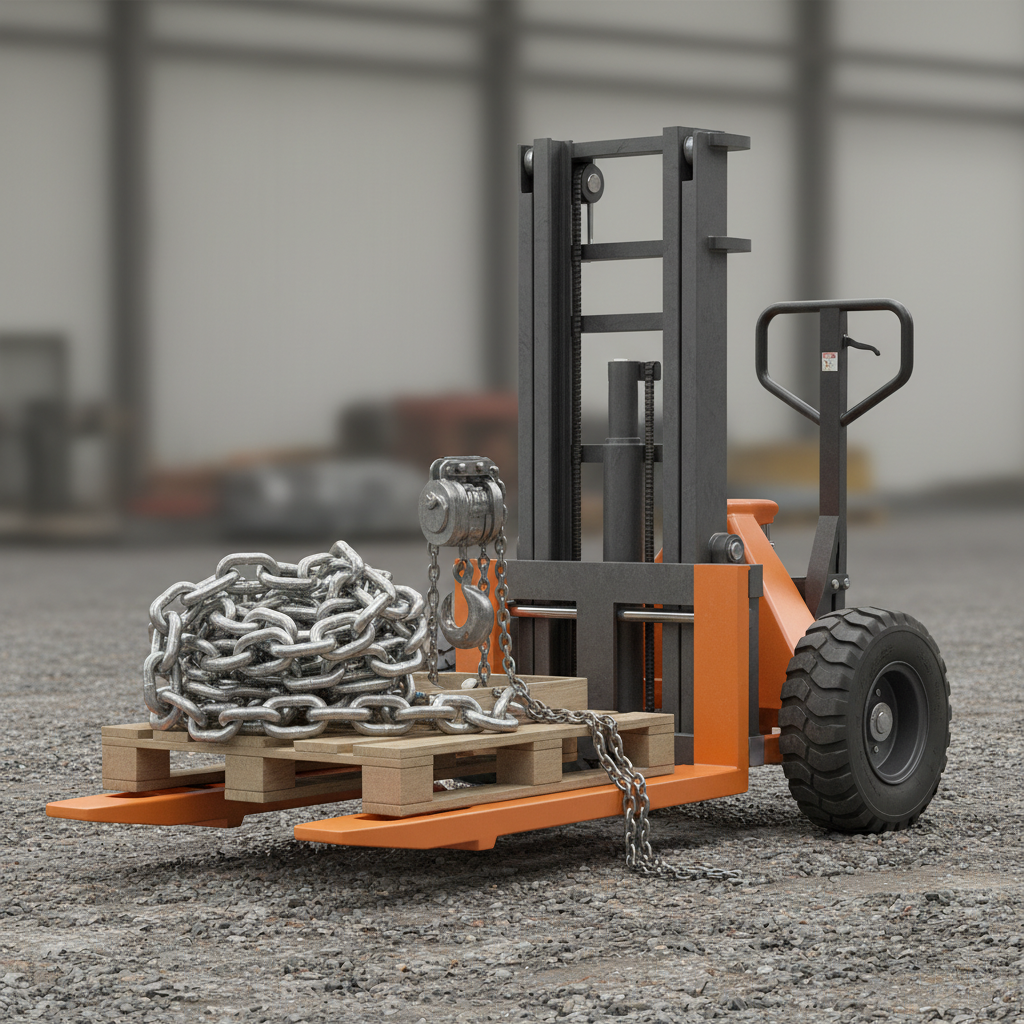
Standard polyurethane wheels are designed for smooth warehouse floors. For outdoor or uneven surfaces, you should use a pallet truck equipped with nylon or heavy-duty rubber wheels, which provide better traction and durability against gravel or cracked concrete.
Yes, provided they receive basic training. Modern electric warehouse pallet trucks often come with safety features like "belly buttons" (emergency reverse switches) and automatic braking systems that prevent the machine from running over the operator or crashing into walls.
Lithium-ion batteries typically last 3-5 times longer than traditional lead-acid batteries in terms of total life cycles. In daily use, they can often support a full shift of operation on a single charge and can be "opportunity charged" during breaks without damaging the battery.
The warehouse pallet truck remains an irreplaceable asset in the global industrial landscape. From the raw strength of manual hydraulic systems to the intelligent efficiency of AI-driven electric models, these tools have evolved to meet the rigorous demands of modern commerce. By prioritizing durability, ergonomic design, and technological integration, businesses can achieve a seamless flow of goods while ensuring the safety and dignity of their workforce.
As we look toward a future defined by automation and sustainability, the pallet truck will continue to adapt, integrating greener energy and smarter connectivity. For any facility looking to optimize its internal logistics, investing in high-quality material handling equipment is the most direct path to operational excellence. To explore the best solutions for your facility, visit our website: www.qyjuli.com



 Afrikaans
 Albanian
 Amharic
 Arabic
 Armenian
 Azerbaijani
 Basque
 Belarusian
 Bengali
 Bosnian
 Bulgarian
 Catalan
 Cebuano
 China
China
 China (Taiwan)
 Corsican
 Croatian
 Czech
Czech
 Danish
 Dutch
Dutch
 Esperanto
 Estonian
 Finnish
 French
 Frisian
 Galician
 Georgian
 German
 Greek
Greek
 Gujarati
 Haitian Creole
 Hausa
Hausa
 Hawaiian
 Hebrew
 Hindi
Hindi
 Miao
Miao
 Hungarian
 Icelandic
 Igbo
Igbo
 Indonesian
 Irish
Irish
 Italian
 Japanese
 Javanese
 Kannada
 Kazakh
 Khmer
Khmer
 Rwandese
 Korean
 Kurdish
 Kyrgyz
 Lao
Lao
 Latin
Latin
 Latvian
 Lithuanian
 Luxembourgish
 Macedonian
 Malgashi
 Malay
Malay
 Malayalam
 Maltese
 Maori
Maori
 Marathi
 Mongolian
 Myanmar
 Nepali
 Norwegian
 Norwegian
 Occitan
 Pashto
 Persian
 Polish
 Portuguese
 Punjabi
 Romanian
 Russian
 Samoan
 Scottish Gaelic
 Serbian
 Sesotho
 Shona
Shona
 Sindhi
 Sinhala
 Slovak
 Slovenian
 Somali
 Spanish
 Sundanese
 Swahili
 Swedish
 Tagalog
 Tajik
Tajik
 Tamil
Tamil
 Tatar
Tatar
 Telugu
 Thai
Thai
 Turkish
 Turkmen
 Ukrainian
 Urdu
Urdu
 Uighur
 Uzbek
Uzbek
 Vietnamese
 Welsh
Welsh
 Bantu
Bantu
 Yiddish
 Yoruba
 Zulu
Zulu
 English