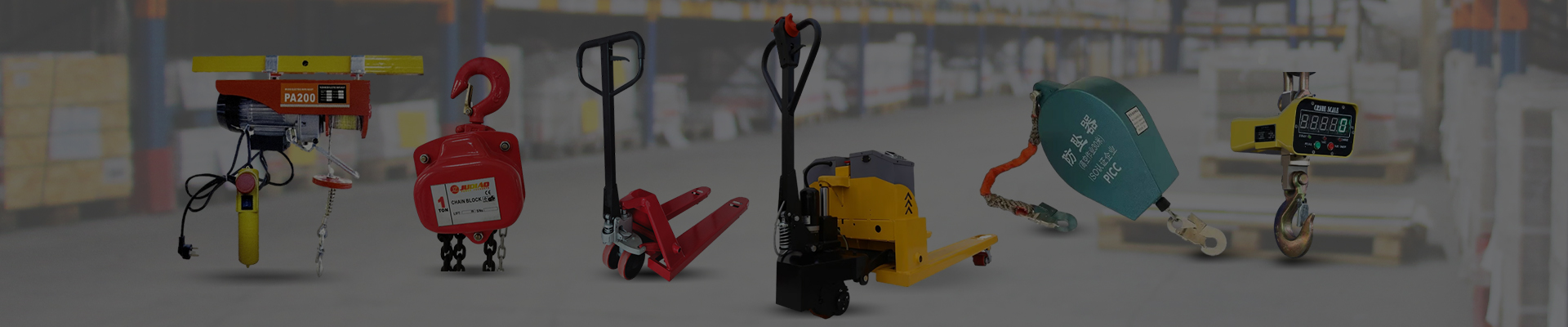


When working at heights, safety is paramount. Vertical fall arresters are specialized devices designed to save lives by arresting a fall in progress, preventing serious injury or death. Globally, industries from construction to wind energy rely on these life-saving tools. Understanding vertical fall arresters isn't just for safety officers; it’s crucial for any professional working in environments where the risk of falling is real.
As urban skylines rise and renewable energy projects expand into taller terrains, vertical safety solutions become more significant than ever. According to the International Labour Organization (ILO), falls from height are among the leading causes of fatal occupational injuries worldwide [1]. Which makes the knowledge and correct use of vertical fall arresters vital — a matter of both global health and humanitarian concern.
Industries globally are scaling upwards — literally. The World Bank estimates that urban populations will double by 2050, driving demand for high-rise construction and infrastructure maintenance at height. Whether it’s skyscrapers in Asia, oil rigs in the North Sea, or telecommunications towers across Africa, workers face significant fall hazards daily.
Vertical fall arresters provide a reliable safeguard, especially in challenging environments where traditional scaffolding or harnesses alone may fall short. They are essential not only for protecting workers but ensuring projects meet international safety standards such as ISO 45001 [2].
Simply put, a vertical fall arrester is a mechanical device connected to a lifeline or rail that travels with a worker as they ascend or descend, locking instantly during a fall to halt the descent. Think of it as a vigilant guardian sliding smoothly up and down your vertical lifeline until you slip, at which point it grips firmly to stop you.
These devices come in various styles — rope grabs, guided-type, rail-type, and more — tailored for different applications. The core idea remains the same: reliable and quick fall arrest to reduce impact forces and save lives.
Most fall arresters are crafted from stainless steel or high-strength alloys to resist corrosion, impact, and the elements. This resilience ensures longevity even in marine or industrial environments.
The arrester must work smoothly with the lifeline material — be it synthetic rope, wire rope, or rigid rails — without snagging, allowing secure but easy movement for the worker.
The device needs to react instantly in fall situations without false triggering during normal movement. Precision engineering is key to balancing sensitivity and user comfort.
Clear inspection marks, simple dismantling procedures, and robust testing protocols make routine maintenance easier, ensuring continued safety performance.
Ratings like ANSI Z359 in the U.S or EN 353 in Europe guide product design and testing, ensuring reliability and user confidence worldwide.
Vertical fall arresters combine strong materials, smooth compatibility, keen sensitivity, and standardized safety to protect workers effectively.
| Feature | Specification |
|---|---|
| Maximum Load Capacity | 140 kg (310 lbs) |
| Compatible Lifeline Diameter | 10-12 mm Rope or 12-16 mm Wire Rope |
| Material | Stainless Steel 316 |
| Standard Compliance | EN 353-1, ANSI Z359.14 |
| Weight | 1.2 kg (2.65 lbs) |
| Operating Temperature Range | -20°C to +50°C (-4°F to +122°F) |
Vertical fall arresters are widely used in several sectors worldwide. Construction companies rely on them for high-rise projects, while utility firms utilize them for maintaining power lines and telecom towers.
In emerging economies, rapid infrastructure developments bring new height safety challenges, making vertical fall arresters an essential part of worker protection protocols.
Additionally, in humanitarian settings, such as rebuilding after disasters, these devices help workers safely access damaged structures and rebuild critical infrastructure.
Take vertical fall arrester deployments on wind farms - these installations, often perched hundreds of meters up, absolutely require dependable fall arrest systems for maintenance teams. The stakes aren’t merely regulatory but lifesaving.
| Brand | Model | Weight (kg) | Max Load (kg) | Lifeline Type | Price Range |
|---|---|---|---|---|---|
| SafeClimb | SC-500 | 1.1 | 140 | Synthetic Rope | $250–350 |
| FallSafe | FS-1200 | 1.3 | 150 | Wire Rope | $300–400 |
| ClimbGuard | CG-700 | 1.0 | 140 | Rail System | $350–450 |
Beyond the obvious — saving workers’ lives — vertical fall arresters offer several tangible benefits:
Frankly, investing in quality vertical fall arrester systems is a smart long-term decision that speaks to both care and business sense.
We’re seeing fascinating advancements shaping the future of vertical fall protection:
These innovations aren’t just hype — they’re responses to genuine workplace needs with real impacts.
Despite progress, challenges persist:
Experts recommend comprehensive safety culture development paired with technological adoption — a balanced approach reduces risks effectively.
A1: Industry standards recommend inspections before each use and a detailed formal inspection at least annually by a competent person. Inspections check for wear, corrosion, and proper function to ensure reliable performance.
A2: Typically, vertical fall arresters are designed for single users. Multiple users require dedicated systems or multiple arresters to comply with safety standards and prevent accidental failures.
A3: Look for adherence to recognized standards like EN 353 (Europe), ANSI Z359 (U.S.), or CSA Z259 (Canada). These certifications guarantee that the product meets critical safety performance criteria.
A4: Partnering with trusted vendors who offer international shipping and remote training support is crucial. Many manufacturers provide digital resources and client support channels to facilitate deployment globally.
Vertical fall arresters are more than just tools — they are lifelines that empower workers to operate confidently at height, reduce injuries, and maintain global industry standards. Their technical evolution, combined with thoughtful policies and training, promises safer workplaces worldwide.
For more on selecting, installing, or maintaining vertical fall arresters, visit our website: https://www.qyjuli.com
Vertical fall arresters represent a blend of engineering safety, practical design, and shared responsibility to protect lives at heights.


 Afrikaans
 Albanian
 Amharic
 Arabic
 Armenian
 Azerbaijani
 Basque
 Belarusian
 Bengali
 Bosnian
 Bulgarian
 Catalan
 Cebuano
 China
China
 China (Taiwan)
 Corsican
 Croatian
 Czech
Czech
 Danish
 Dutch
Dutch
 Esperanto
 Estonian
 Finnish
 French
 Frisian
 Galician
 Georgian
 German
 Greek
Greek
 Gujarati
 Haitian Creole
 Hausa
Hausa
 Hawaiian
 Hebrew
 Hindi
Hindi
 Miao
Miao
 Hungarian
 Icelandic
 Igbo
Igbo
 Indonesian
 Irish
Irish
 Italian
 Japanese
 Javanese
 Kannada
 Kazakh
 Khmer
Khmer
 Rwandese
 Korean
 Kurdish
 Kyrgyz
 Lao
Lao
 Latin
Latin
 Latvian
 Lithuanian
 Luxembourgish
 Macedonian
 Malgashi
 Malay
Malay
 Malayalam
 Maltese
 Maori
Maori
 Marathi
 Mongolian
 Myanmar
 Nepali
 Norwegian
 Norwegian
 Occitan
 Pashto
 Persian
 Polish
 Portuguese
 Punjabi
 Romanian
 Russian
 Samoan
 Scottish Gaelic
 Serbian
 Sesotho
 Shona
Shona
 Sindhi
 Sinhala
 Slovak
 Slovenian
 Somali
 Spanish
 Sundanese
 Swahili
 Swedish
 Tagalog
 Tajik
Tajik
 Tamil
Tamil
 Tatar
Tatar
 Telugu
 Thai
Thai
 Turkish
 Turkmen
 Ukrainian
 Urdu
Urdu
 Uighur
 Uzbek
Uzbek
 Vietnamese
 Welsh
Welsh
 Bantu
Bantu
 Yiddish
 Yoruba
 Zulu
Zulu
 English