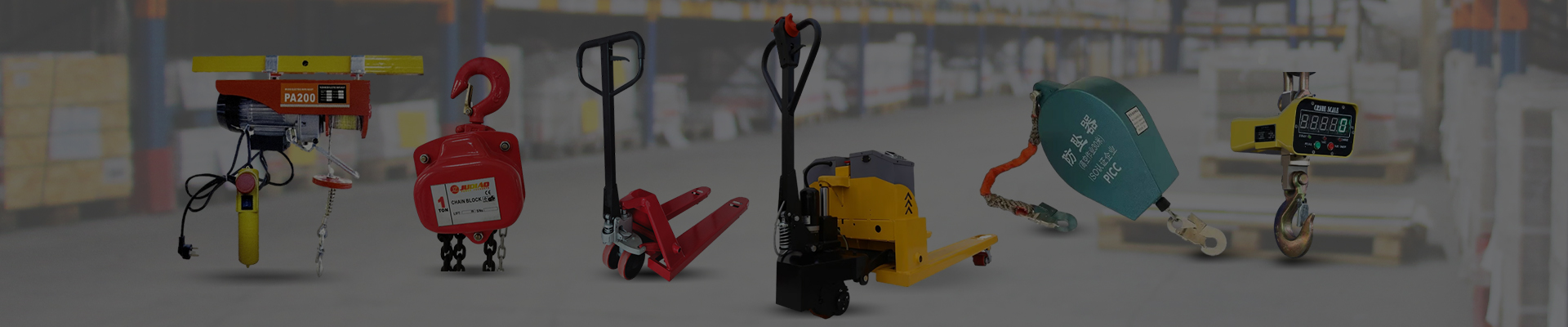


Personal fall arrest equipment might sound technical, but put simply, it’s gear designed to catch a person safely if they fall from height. Globally, this kind of equipment plays a crucial role in saving lives in industries ranging from construction to telecom to emergency response. With thousands of workplace fatalities due to falls reported every year, it’s frankly a matter of life and limb, quite literally. Beyond just saving lives, understanding and properly using personal fall arrest systems contributes significantly to workplace safety culture, compliance with international standards, and ultimately, operational efficiency.
Fall-related injuries are a leading cause of workplace accidents worldwide. According to the International Labour Organization (ILO), falls from height account for approximately 30% of fatal occupational accidents internationally. With increasing urbanization and infrastructure development, workers are finding themselves at elevated risk across continents—from skyscrapers in Asia to offshore oil platforms in the North Sea. Despite regulations like OSHA standards in the US and ISO safety norms globally, misuse or lack of personal fall arrest equipment remains a stubborn challenge, often due to cost, lack of training, or inadequate enforcement.
Here’s the crux: minimizing fall accidents is crucial not only for individual safety but also for societal wellbeing and economic stability. Proper fall arrest gear can reduce injury severity, speed up rescue, and lower compensation claims — better for everyone involved.
At its core, personal fall arrest equipment is a collection of harnesses, connectors, lanyards, and lifelines designed to stop a person who is falling from reaching the ground or a lower level. It’s intended as the last line of defense when engineering controls like guardrails or safety nets can't fully eliminate fall hazards. The system usually includes a full-body harness, a deceleration device (like a shock-absorbing lanyard), a lifeline or anchor, and connectors. These components work together to arrest falls gently and safely, mitigating impact forces on the body.
This equipment’s relevance extends beyond construction. In humanitarian missions—like rapid disaster relief in earthquake zones—first responders often work at height, relying on robust fall protection to safely execute search and rescue operations. So, its proper application reflects an intersection of industrial safety and ethical responsibility.
Fall arrest gear needs to withstand harsh environments — UV rays, chemical exposure, abrasion, and more. Materials such as high-strength nylon webbing and stainless steel connectors are common because they balance lightness with toughness. Certifications like ANSI Z359 or EN 361, for example, mandate strict testing protocols to ensure this durability.
Safety gear is only effective if workers wear it properly. Personal fall arrest harnesses are designed to distribute forces across the body during a fall, but if they’re too heavy or poorly fitted, compliance drops. Adjustable straps and padding enhance comfort, encouraging consistent use.
Regular inspection is essential; subtle damage can compromise safety. Modern gear often includes color-coded stitching or wear indicators to help workers and supervisors quickly detect defects—a small but vital innovation.
Different industries have varying needs. Modular systems allow adding accessories like lanyard reels or self-retracting lifelines depending on the task. This flexibility supports a wider range of use cases without unnecessary expense.
While top-tier equipment can be pricey, investing in quality often reduces long-term costs related to accidents, downtime, and training retakes. Oddly enough, cheaper gear might end up costing more in the big picture.
| Component | Material | Certification | Weight (approx.) | Max Capacity |
|---|---|---|---|---|
| Full Body Harness | High-strength Nylon | ANSI Z359, EN 361 | 4 lbs (1.8 kg) | 310 lbs (140 kg) |
| Shock-Absorbing Lanyard | Polyester webbing + energy absorber | ANSI Z359-13 | 1.5 lbs (0.68 kg) | 420 lbs (190 kg) |
| Anchor Point | Stainless steel or galvanized steel | OSHA-compliant | Varies | Minimum 5,000 lbs (22 kN) |
Industries across the globe depend on personal fall arrest systems. Construction and maintenance workers on skyscrapers in Dubai routinely use full-body harnesses connected to lifelines anchored at secure points. In the United States, tower climbers installing telecommunications equipment often wear self-retracting lanyard systems, which automatically spool out and retract, reducing fall distance.
More surprisingly, humanitarian organizations use this equipment during disaster relief when responders must access unstable structures or steep terrain. For example, after the 2015 Nepal earthquake, rescue teams relied on personal fall arrest equipment to safely navigate damaged buildings while searching for survivors. Remote industrial zones in Canada’s north are another hotspot, where harsh workers’ conditions and exposed environments make robust fall protection absolutely non-negotiable.
Simply put, personal fall arrest equipment is everywhere from the urban jungle to the wild outdoors, keeping workers protected in the riskiest heights.
| Vendor | Product Range | Warranty | Price Range | Global Availability |
|---|---|---|---|---|
| SafeClimb Inc. | Harnesses, lanyards, anchors | 5 years | $$$ | North America, Europe |
| ShieldPro Safety | Full systems plus inspection services | 3 years | $$ | Asia, Australia |
| GlobalGuard | Modular personal fall arrest systems | 7 years | $$$$ | Worldwide |
Looking ahead, personal fall arrest equipment is getting smarter. Integrations with IoT devices for real-time fall detection and location tracking are increasingly common, enhancing rescue response times. New composite materials promise lighter but stronger harnesses, improving comfort without compromising safety.
Sustainability is also on the rise. Manufacturers are exploring recycled fibers and biodegradable components to reduce environmental footprints. Digital transformation in training—virtual reality modules teaching proper use—are gaining traction too, providing immersive, effective safety education.
Despite advances, challenges remain. For example, improper fit or incorrect anchoring frequently causes system failures. There's also the issue of equipment lifespan in rough conditions; UV damage and wear can go unnoticed without proper inspection.
Training is critical: many safety experts emphasize hands-on user education combined with standardized inspection procedures. Innovative solutions like smart sensors built into harnesses that alert wearers to excessive wear are being piloted. Frankly, embracing technology and culture equally is the key to overcoming these hurdles.
In real terms, personal fall arrest equipment is a cornerstone of modern occupational safety. While it might seem like just another item on a checklist, it embodies a culture of care — protecting workers, enhancing productivity, and elevating company reputations. Embracing comprehensive solutions backed by quality gear, training, and inspection is not optional if you aim for sustainable safety compliance.
If you’re keen on diving deeper into standards, latest equipment, or suppliers, visit our site for resources on personal fall arrest equipment. Because safety up high is worth every bit of attention.
A final thought: Safety gear isn’t just fabric and metal; it’s peace of mind in the most vulnerable moments.


 Afrikaans
 Albanian
 Amharic
 Arabic
 Armenian
 Azerbaijani
 Basque
 Belarusian
 Bengali
 Bosnian
 Bulgarian
 Catalan
 Cebuano
 China
China
 China (Taiwan)
 Corsican
 Croatian
 Czech
Czech
 Danish
 Dutch
Dutch
 Esperanto
 Estonian
 Finnish
 French
 Frisian
 Galician
 Georgian
 German
 Greek
Greek
 Gujarati
 Haitian Creole
 Hausa
Hausa
 Hawaiian
 Hebrew
 Hindi
Hindi
 Miao
Miao
 Hungarian
 Icelandic
 Igbo
Igbo
 Indonesian
 Irish
Irish
 Italian
 Japanese
 Javanese
 Kannada
 Kazakh
 Khmer
Khmer
 Rwandese
 Korean
 Kurdish
 Kyrgyz
 Lao
Lao
 Latin
Latin
 Latvian
 Lithuanian
 Luxembourgish
 Macedonian
 Malgashi
 Malay
Malay
 Malayalam
 Maltese
 Maori
Maori
 Marathi
 Mongolian
 Myanmar
 Nepali
 Norwegian
 Norwegian
 Occitan
 Pashto
 Persian
 Polish
 Portuguese
 Punjabi
 Romanian
 Russian
 Samoan
 Scottish Gaelic
 Serbian
 Sesotho
 Shona
Shona
 Sindhi
 Sinhala
 Slovak
 Slovenian
 Somali
 Spanish
 Sundanese
 Swahili
 Swedish
 Tagalog
 Tajik
Tajik
 Tamil
Tamil
 Tatar
Tatar
 Telugu
 Thai
Thai
 Turkish
 Turkmen
 Ukrainian
 Urdu
Urdu
 Uighur
 Uzbek
Uzbek
 Vietnamese
 Welsh
Welsh
 Bantu
Bantu
 Yiddish
 Yoruba
 Zulu
Zulu
 English