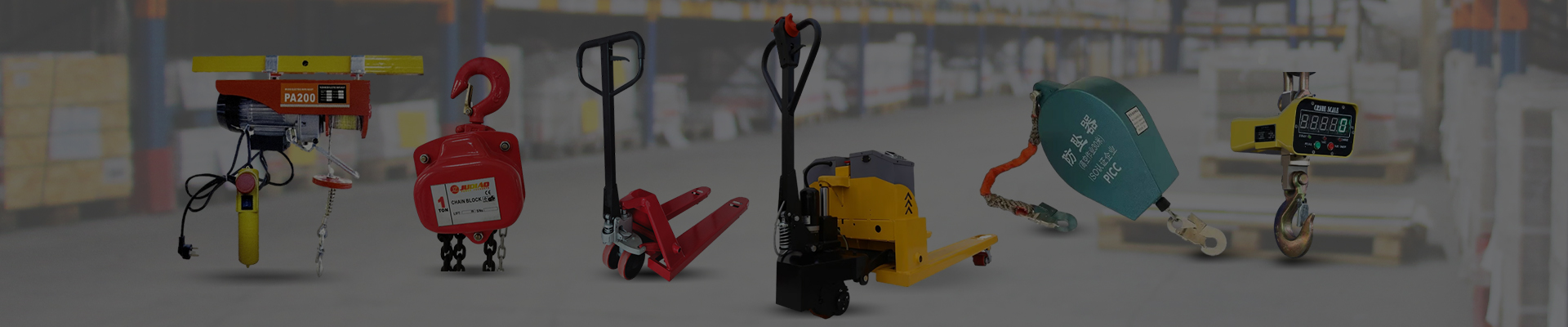


Having spent over a decade in the industrial equipment sector, I’ll admit: the first time I set my hands on a fall arrester device, it was a bit of a revelation. Oddly enough, you often hear OSHA standards or company policies talk about “adequate fall protection,” yet that phrase only scratches the surface. Real protection? That’s where fall arrester devices come in.
So, what’s the fuss about these gadgets? Well, in the heavy industries where heights and hazards co-exist — construction, shipyards, oil rigs — fall arresters are more than just gear; they’re lifelines. The device’s job is pretty straightforward: stop a fall before it turns into a potential disaster. But in real terms, the engineering behind them is quietly sophisticated.
Take the materials, for instance. Most fall arresters combine aluminum or stainless steel with durable synthetic ropes or webbing. That mix isn’t coincidental; it’s about balancing strength, weight, and corrosion resistance. I recall a project near the coast where corrosion was an ongoing challenge — these devices held up remarkably well, far exceeding expectations.
Testing? You bet. Every reputable manufacturer submits their fall arresters to rigorous drop and load tests. You want to see certifications from bodies like CE (Europe) or ANSI (USA). And frankly, no matter how good the specs look on paper, field experience always trumps lab numbers. I’ve personally witnessed devices arrest a fall instantly on site and save a worker from serious injury.
And then there’s ease of use. Many engineers I’ve worked with say that if the system is too complicated or cumbersome, workers might bypass safety protocols altogether. That’s why modern fall arresters feature ergonomic designs with smooth retractors and shock absorbers that barely interrupt the workflow.
Now, if you’re shopping for one, here’s a quick rundown of key specs to check out:
| Specification | Details |
|---|---|
| Material | Aluminum alloy housing + 10-15mm polyester rope |
| Max Arrest Distance | |
| Max Energy Absorption | ≤ 600 J |
| Max User Weight | 150 kg |
| Length Options | 5m, 10m, 15m |
| Certifications | CE, ANSI, ISO 9001 |
Of course, the market has its share of vendors. Here’s how some of the top contenders stack up on crucial factors like cost, durability, and additional features:
| Vendor | Average Price (USD) | Durability Rating | Unique Feature |
|---|---|---|---|
| QYJULI | $120 - $150 | Excellent (Corrosion-resistant) | Integrated shock absorber & compact design |
| SafeFit Inc. | $100 - $140 | Good | Lightweight polymer casing |
| Guardian Safety | $130 - $180 | Very Good | Dual rope locking system |
One small story I often share with younger colleagues: a friend who was supervising a scaffold build told me she had a near-miss when a worker slipped unexpectedly. The fall arrester device stopped him within a meter — no serious injury, just shaken nerves. “Without that gear,” she said, “we might be telling a different story.” Stories like these bring the abstract specs to life. It’s not just engineering; it’s potentially life-saving technology.
Look, the key takeaway: choosing the right fall arrester is about matching technical specs with real-world needs. You want gear that’s reliable, certified, and user-friendly — frankly, because people’s lives depend on it. If you’re serious about safety, invest in quality and always check for that fall arrester device that blends solid engineering with practical design.
Before I sign off, a quick note: while fall arresters are critical, they must be part of a comprehensive fall protection plan including training, inspection, and proper harness usage. No single device can do it all, but these tools sure make a big difference.
References:
1. OSHA Fall Protection Standards (29 CFR 1926.502)
2. ANSI / ASSE Z359 Fall Protection Code
3. Manufacturer Testing & Certifications from QYJULI and others


 Afrikaans
 Albanian
 Amharic
 Arabic
 Armenian
 Azerbaijani
 Basque
 Belarusian
 Bengali
 Bosnian
 Bulgarian
 Catalan
 Cebuano
 China
China
 China (Taiwan)
 Corsican
 Croatian
 Czech
Czech
 Danish
 Dutch
Dutch
 Esperanto
 Estonian
 Finnish
 French
 Frisian
 Galician
 Georgian
 German
 Greek
Greek
 Gujarati
 Haitian Creole
 Hausa
Hausa
 Hawaiian
 Hebrew
 Hindi
Hindi
 Miao
Miao
 Hungarian
 Icelandic
 Igbo
Igbo
 Indonesian
 Irish
Irish
 Italian
 Japanese
 Javanese
 Kannada
 Kazakh
 Khmer
Khmer
 Rwandese
 Korean
 Kurdish
 Kyrgyz
 Lao
Lao
 Latin
Latin
 Latvian
 Lithuanian
 Luxembourgish
 Macedonian
 Malgashi
 Malay
Malay
 Malayalam
 Maltese
 Maori
Maori
 Marathi
 Mongolian
 Myanmar
 Nepali
 Norwegian
 Norwegian
 Occitan
 Pashto
 Persian
 Polish
 Portuguese
 Punjabi
 Romanian
 Russian
 Samoan
 Scottish Gaelic
 Serbian
 Sesotho
 Shona
Shona
 Sindhi
 Sinhala
 Slovak
 Slovenian
 Somali
 Spanish
 Sundanese
 Swahili
 Swedish
 Tagalog
 Tajik
Tajik
 Tamil
Tamil
 Tatar
Tatar
 Telugu
 Thai
Thai
 Turkish
 Turkmen
 Ukrainian
 Urdu
Urdu
 Uighur
 Uzbek
Uzbek
 Vietnamese
 Welsh
Welsh
 Bantu
Bantu
 Yiddish
 Yoruba
 Zulu
Zulu
 English