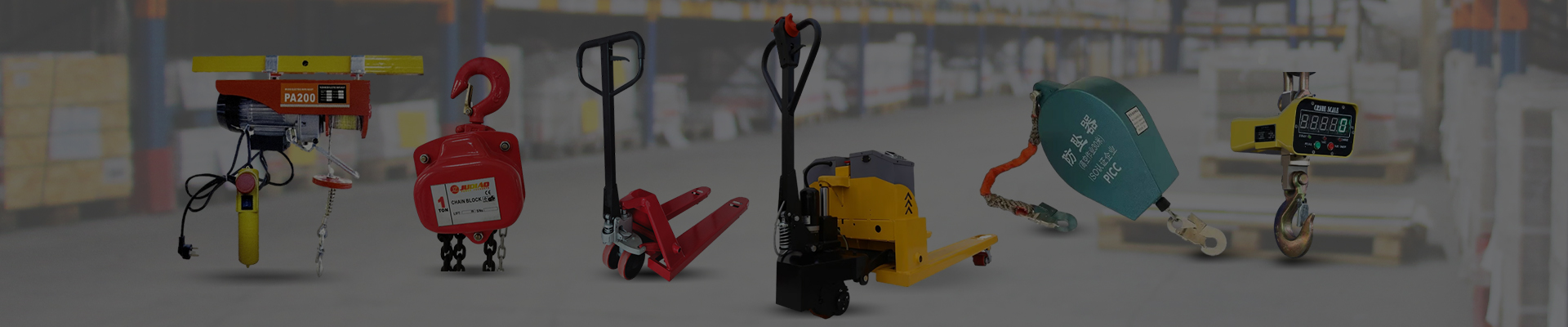


Ever found yourself wondering how heavy loads get moved in cramped spaces or off-grid locations? That’s where a small electric hoist 12v really shines. Whether you're working in a garage, a remote construction site, or even a humanitarian relief operation, this compact lifting device packs a punch. It helps move weighty materials safely and efficiently without needing large, cumbersome gear or power outlets.
Globally, lifting and transporting goods is a challenge, especially where infrastructure is patchy. This is why understanding the benefits of small electric hoists powered by 12 volts DC batteries opens up innovative solutions that are practical, portable, and safe.
The world keeps evolving, industries keep expanding, and the need for flexible lifting tools keeps growing. According to the International Labour Organization (ILO)1, workplace injuries due to manual lifting cause millions of lost workdays yearly. Small electric hoists reduce this risk without requiring heavy infrastructure.
Interestingly, UN reports emphasize that in disaster-stricken or off-grid areas — places without reliable power — having equipment like 12v electric hoists can drastically improve logistics and relief efforts.2 The challenge they address: how to safely lift and move loads where traditional 110v or 220v hoists are just not feasible.
Simply put, it’s a compact, portable lifting machine that runs on a 12-volt electrical system—usually from a battery such as those found in vehicles, solar setups, or portable power stations. Think of it like a mini power hoist: it lifts loads vertically using a motor-driven cable or chain, suitable for lighter work since it’s limited by its power source.
In modern industries—from construction and automotive repairs to humanitarian action—it fills a niche where traditional cranes and hoists are impractical or too costly.
One thing I always notice with these hoists: they’re tougher than you’d think. Manufacturers build them to withstand dust, moisture, and rough handling—crucial for remote or outdoor work.
Many users praise their portability. The 12v system means no need for AC power, so they’re plugged into a car battery or portable power pack. This eliminates setup headaches that can really slow a job down.
Though 'small' in name, these hoists still handle an impressive range of 100 to 600 kg in many models — enough for engine parts or construction materials.
Compared to larger industrial hoists, 12v hoists present a low-cost lifting aid that doesn’t skimp on safety or reliability.
The global footprint of these hoists is surprisingly broad. You’ll find them in:
For example, after floods in Southeast Asia, NGOs used 12v hoists to clear debris and lift supplies in hard-to-reach areas swiftly and safely.
One advantage folks notice immediately is how these hoists reduce injury risk. They free up workers from manual hoisting, boosting productivity and morale.
Environmentally, they fit well in green initiatives: many operate seamlessly on solar-charged batteries, cutting emissions. The social impact? Communities gain safer, more effective ways to handle heavy tasks.
| Specification | Details |
|---|---|
| Power Source | 12 Volt DC battery (vehicle battery, solar) |
| Max Load Capacity | 100 – 600 kg (varies by model) |
| Lifting Speed | Approx. 10 – 15 m/min |
| Cable Material | Steel wire rope or heavy-duty chain |
| Control | Wired or wireless remote control |
| Dimensions | Compact for handheld or tripod mounting (varies) |
| Brand | Max Load (kg) | Price Range (USD) | Warranty | Notable Features |
|---|---|---|---|---|
| QYJuli ProLift | 600 | $350 - $450 | 2 years | Wireless remote, overload protection |
| LiftMate 12v Express | 400 | $280 - $350 | 18 months | Compact size, quick setup |
| PowerLift Mini | 250 | $200 - $270 | 1 year | Steel cable, wired control |
The 12v small electric hoist market is quietly evolving. More manufacturers now integrate smart controls—meaning operators can control lifting via smartphone apps, monitor battery levels, and receive maintenance alerts. That’s the sort of digital transformation that feels overdue.
Also, eco-conscious users appreciate that many hoists now support direct solar charging options, making off-grid work even greener. Lighter and stronger cable materials are under development too, using advanced alloys and composites that reduce wear.
One sticking point remains battery life—lifting heavy loads rapidly depletes 12v batteries, so backup power or rapid charging solutions are vital. Some teams are experimenting with hybrid power systems combining solar, batteries, and small generators to extend run-times.
Then there’s durability. Even though most hoists are rugged, extreme climates can cause premature wear. To combat this, manufacturers now seal motors and electronics better and use rust-resistant coatings.
To sum it up, small electric hoists powered by 12 volts bring versatile, safe, and highly portable lifting solutions to a surprising range of real-world problems. From industrial uses to disaster relief and beyond, their practical value can’t be overstated.
If you want to explore options that blend modern power efficiency and compact design, you really should check out small electric hoist 12v models that fit your budget and needs.
After all, lifting smarter means working safer — and in this field, that’s everything.


 Afrikaans
 Albanian
 Amharic
 Arabic
 Armenian
 Azerbaijani
 Basque
 Belarusian
 Bengali
 Bosnian
 Bulgarian
 Catalan
 Cebuano
 China
China
 China (Taiwan)
 Corsican
 Croatian
 Czech
Czech
 Danish
 Dutch
Dutch
 Esperanto
 Estonian
 Finnish
 French
 Frisian
 Galician
 Georgian
 German
 Greek
Greek
 Gujarati
 Haitian Creole
 Hausa
Hausa
 Hawaiian
 Hebrew
 Hindi
Hindi
 Miao
Miao
 Hungarian
 Icelandic
 Igbo
Igbo
 Indonesian
 Irish
Irish
 Italian
 Japanese
 Javanese
 Kannada
 Kazakh
 Khmer
Khmer
 Rwandese
 Korean
 Kurdish
 Kyrgyz
 Lao
Lao
 Latin
Latin
 Latvian
 Lithuanian
 Luxembourgish
 Macedonian
 Malgashi
 Malay
Malay
 Malayalam
 Maltese
 Maori
Maori
 Marathi
 Mongolian
 Myanmar
 Nepali
 Norwegian
 Norwegian
 Occitan
 Pashto
 Persian
 Polish
 Portuguese
 Punjabi
 Romanian
 Russian
 Samoan
 Scottish Gaelic
 Serbian
 Sesotho
 Shona
Shona
 Sindhi
 Sinhala
 Slovak
 Slovenian
 Somali
 Spanish
 Sundanese
 Swahili
 Swedish
 Tagalog
 Tajik
Tajik
 Tamil
Tamil
 Tatar
Tatar
 Telugu
 Thai
Thai
 Turkish
 Turkmen
 Ukrainian
 Urdu
Urdu
 Uighur
 Uzbek
Uzbek
 Vietnamese
 Welsh
Welsh
 Bantu
Bantu
 Yiddish
 Yoruba
 Zulu
Zulu
 English