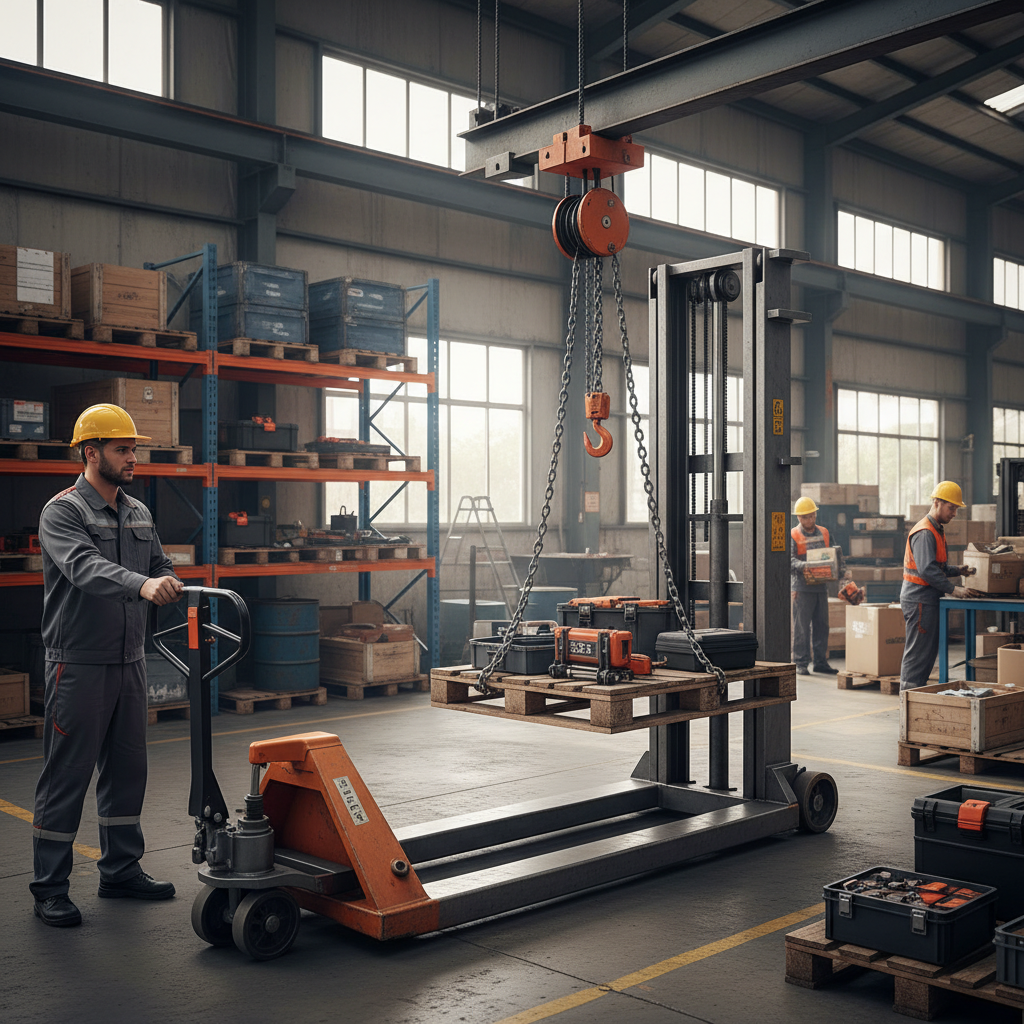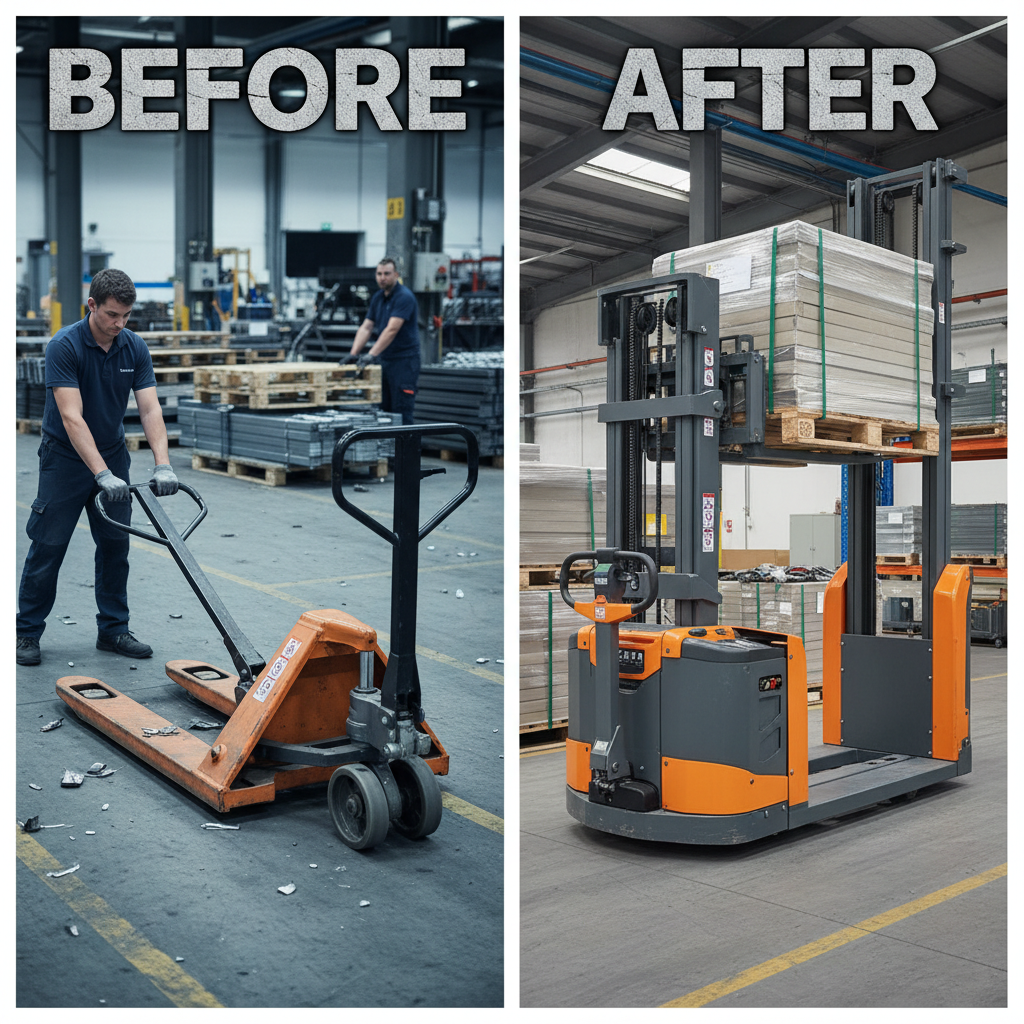


In the fast-paced world of modern logistics and industrial warehousing, the efficiency of material handling can make or break a company's bottom line. The pallet truck heavy duty serves as the backbone of these operations, providing the necessary mechanical advantage to move massive loads with minimal human effort. By integrating robust engineering with ergonomic design, these tools ensure that high-capacity transport is both safe and streamlined across diverse work environments.
Globally, the demand for heavy-duty lifting solutions has surged as supply chains become more complex and the volume of goods transported increases. From automotive assembly lines to large-scale distribution centers, the ability to shift multi-ton pallets quickly is no longer a luxury but a necessity. Implementing a high-quality pallet truck heavy duty reduces the risk of workplace injuries and significantly optimizes the "last mile" of internal warehouse movement.
Understanding the nuances of heavy-duty pallet trucks—ranging from their structural composition to their hydraulic efficiency—allows facility managers to make informed procurement decisions. Whether dealing with reinforced steel frames or high-grade polyurethane wheels, the right equipment minimizes downtime and maximizes throughput. This guide explores the critical aspects of these machines, ensuring you can maintain a peak-performance operational flow in any industrial setting.
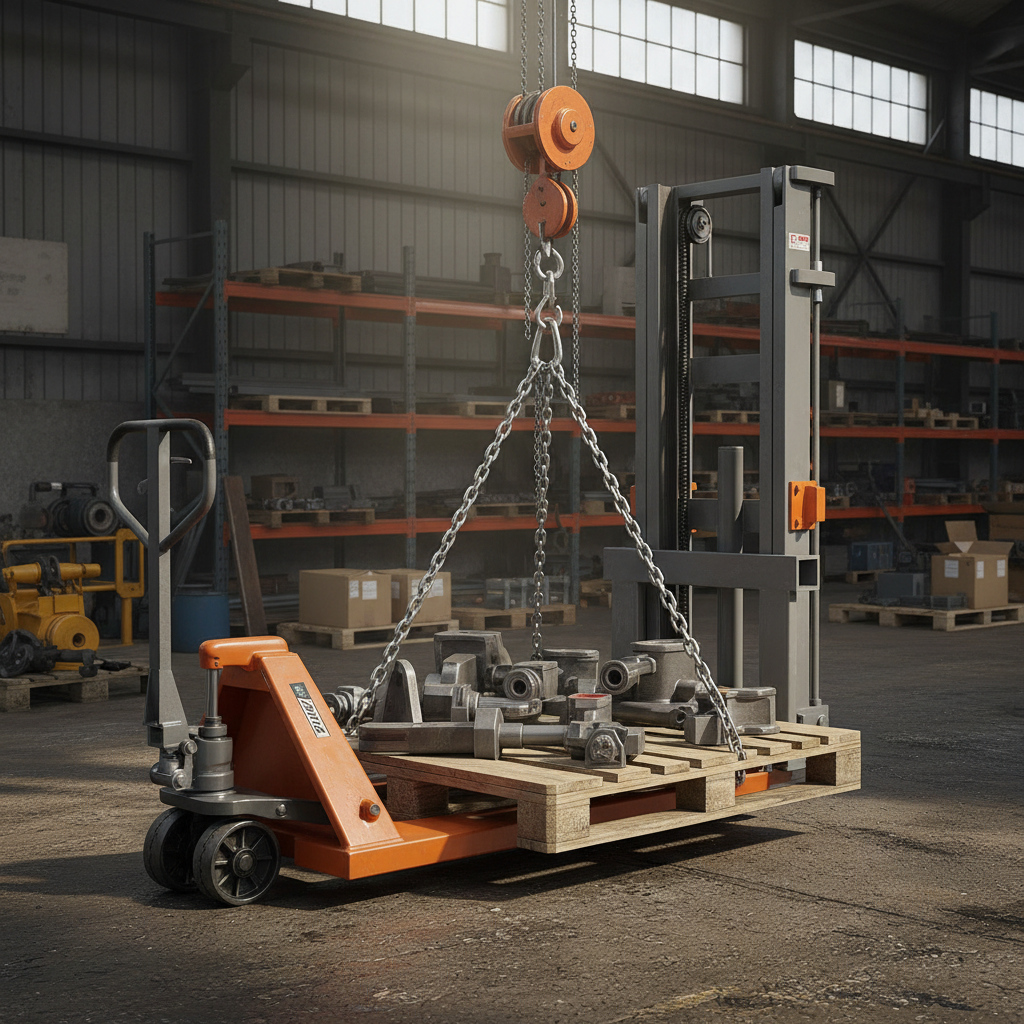
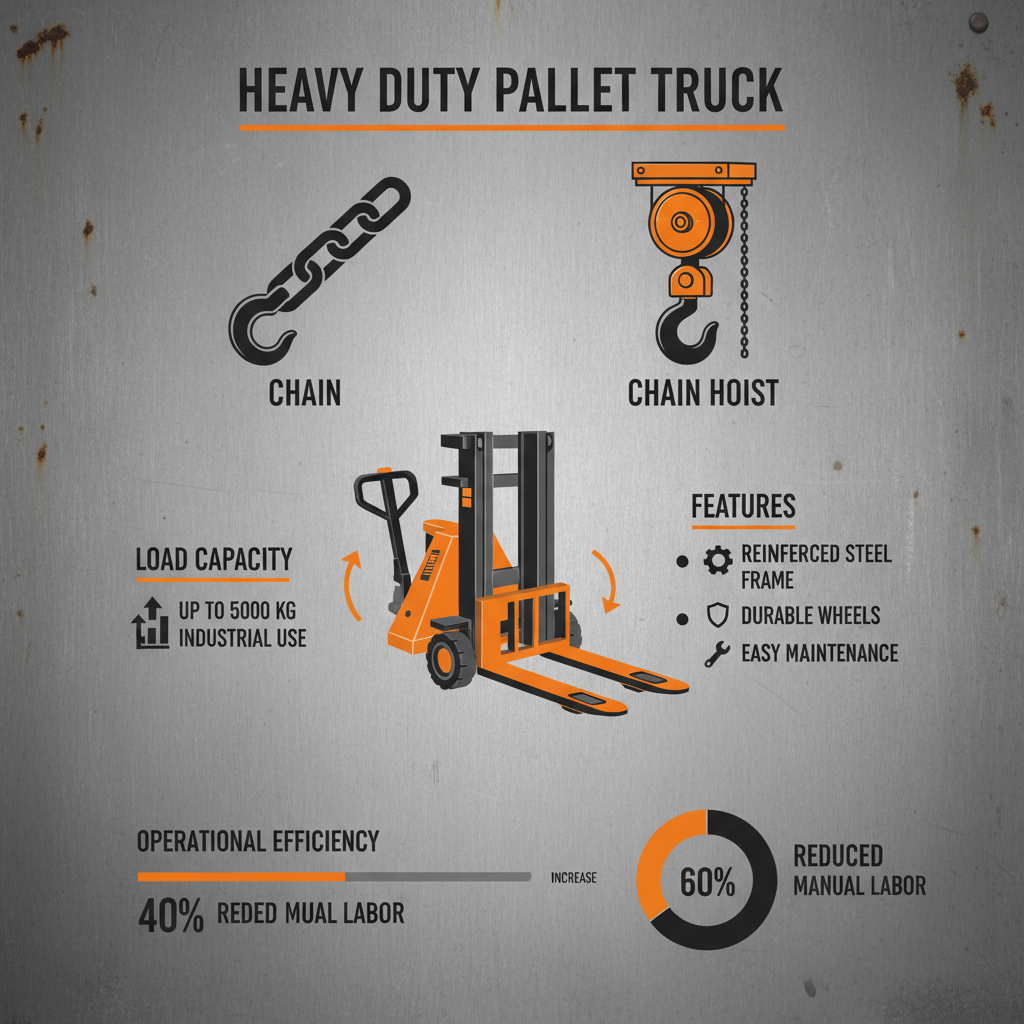
When discussing a pallet truck heavy duty, the primary focus is always on the chassis and fork construction. Unlike standard jacks, heavy-duty versions utilize reinforced manganese steel or thick-gauge reinforced alloys to prevent bending or warping under extreme loads. This structural rigidity is essential for maintaining balance and ensuring that the load remains stable during transit, especially when navigating tight corners in a busy warehouse.
Furthermore, the welding technique used in the assembly of these trucks plays a pivotal role in their longevity. High-penetration robotic welding ensures that the joints between the forks and the pump housing can withstand repetitive stress cycles. This attention to detail prevents structural fatigue, which is a common failure point in lower-grade equipment, thereby guaranteeing a safer working environment for the operator.
The primary differences lie in the material thickness and the hydraulic pump capacity. A pallet truck heavy duty uses reinforced steel or alloy frames to prevent bending under loads exceeding 2,500kg, whereas standard trucks are designed for lighter, general-purpose use. Additionally, heavy-duty models feature high-grade seals and reinforced load wheels to withstand extreme pressure over longer periods.
For high-intensity industrial use, a comprehensive inspection every 3 to 6 months is recommended. This should include checking the hydraulic oil level, lubricating the grease points on the chassis, and inspecting the wheels for flat spots or debris. Regular maintenance ensures the pallet truck heavy duty maintains its lifting efficiency and prevents costly unplanned downtime.
While standard models struggle on rough terrain, specific heavy-duty versions equipped with larger, wide-profile polyurethane or nylon wheels can handle slightly uneven surfaces. However, for true all-terrain use, it is best to choose a model specifically designed for outdoor environments to ensure the forks do not bottom out and the load remains stable.
The most common cause is air trapped in the hydraulic system or low oil levels. First, check the oil reservoir. If the oil is sufficient, try "bleeding" the pump by operating the release lever and pumping the handle rapidly several times. If the problem persists, a seal may have failed, and the hydraulic cylinder should be inspected by a professional technician.
It depends on your environment. Polyurethane wheels offer a smoother ride, are quieter, and protect epoxy floors, making them ideal for most warehouses. Nylon wheels, however, have lower rolling resistance and are better suited for extremely heavy loads or environments where moisture and chemicals are present, as they are generally more impervious to corrosion.
Analyze your heaviest typical load and add a 20% safety margin. If your heaviest pallet is 2,000kg, a 2,500kg rated pallet truck heavy duty is the ideal choice. Using a truck at its absolute limit constantly will accelerate wear and tear, while an oversized truck may be slightly more difficult to maneuver. Balancing capacity with actual usage is key to longevity.
In summary, the pallet truck heavy duty is an essential asset for any organization dealing with high-capacity material movement. From its reinforced structural integrity and high-efficiency hydraulic systems to its versatile applications across diverse industries, this equipment optimizes operational flow while safeguarding worker health. By prioritizing quality materials and consistent maintenance, businesses can ensure a sustainable and scalable logistics infrastructure.
Looking forward, the integration of smart technologies and sustainable materials will continue to elevate the capabilities of heavy-duty handling equipment. We recommend that facility managers conduct a thorough audit of their current lifting capacity to identify gaps where heavy-duty upgrades could reduce risk and increase throughput. Investing in the right tools today paves the way for a more efficient, safer, and more competitive tomorrow. Visit our website: www.qyjuli.com



 Afrikaans
 Albanian
 Amharic
 Arabic
 Armenian
 Azerbaijani
 Basque
 Belarusian
 Bengali
 Bosnian
 Bulgarian
 Catalan
 Cebuano
 China
China
 China (Taiwan)
 Corsican
 Croatian
 Czech
Czech
 Danish
 Dutch
Dutch
 Esperanto
 Estonian
 Finnish
 French
 Frisian
 Galician
 Georgian
 German
 Greek
Greek
 Gujarati
 Haitian Creole
 Hausa
Hausa
 Hawaiian
 Hebrew
 Hindi
Hindi
 Miao
Miao
 Hungarian
 Icelandic
 Igbo
Igbo
 Indonesian
 Irish
Irish
 Italian
 Japanese
 Javanese
 Kannada
 Kazakh
 Khmer
Khmer
 Rwandese
 Korean
 Kurdish
 Kyrgyz
 Lao
Lao
 Latin
Latin
 Latvian
 Lithuanian
 Luxembourgish
 Macedonian
 Malgashi
 Malay
Malay
 Malayalam
 Maltese
 Maori
Maori
 Marathi
 Mongolian
 Myanmar
 Nepali
 Norwegian
 Norwegian
 Occitan
 Pashto
 Persian
 Polish
 Portuguese
 Punjabi
 Romanian
 Russian
 Samoan
 Scottish Gaelic
 Serbian
 Sesotho
 Shona
Shona
 Sindhi
 Sinhala
 Slovak
 Slovenian
 Somali
 Spanish
 Sundanese
 Swahili
 Swedish
 Tagalog
 Tajik
Tajik
 Tamil
Tamil
 Tatar
Tatar
 Telugu
 Thai
Thai
 Turkish
 Turkmen
 Ukrainian
 Urdu
Urdu
 Uighur
 Uzbek
Uzbek
 Vietnamese
 Welsh
Welsh
 Bantu
Bantu
 Yiddish
 Yoruba
 Zulu
Zulu
 English