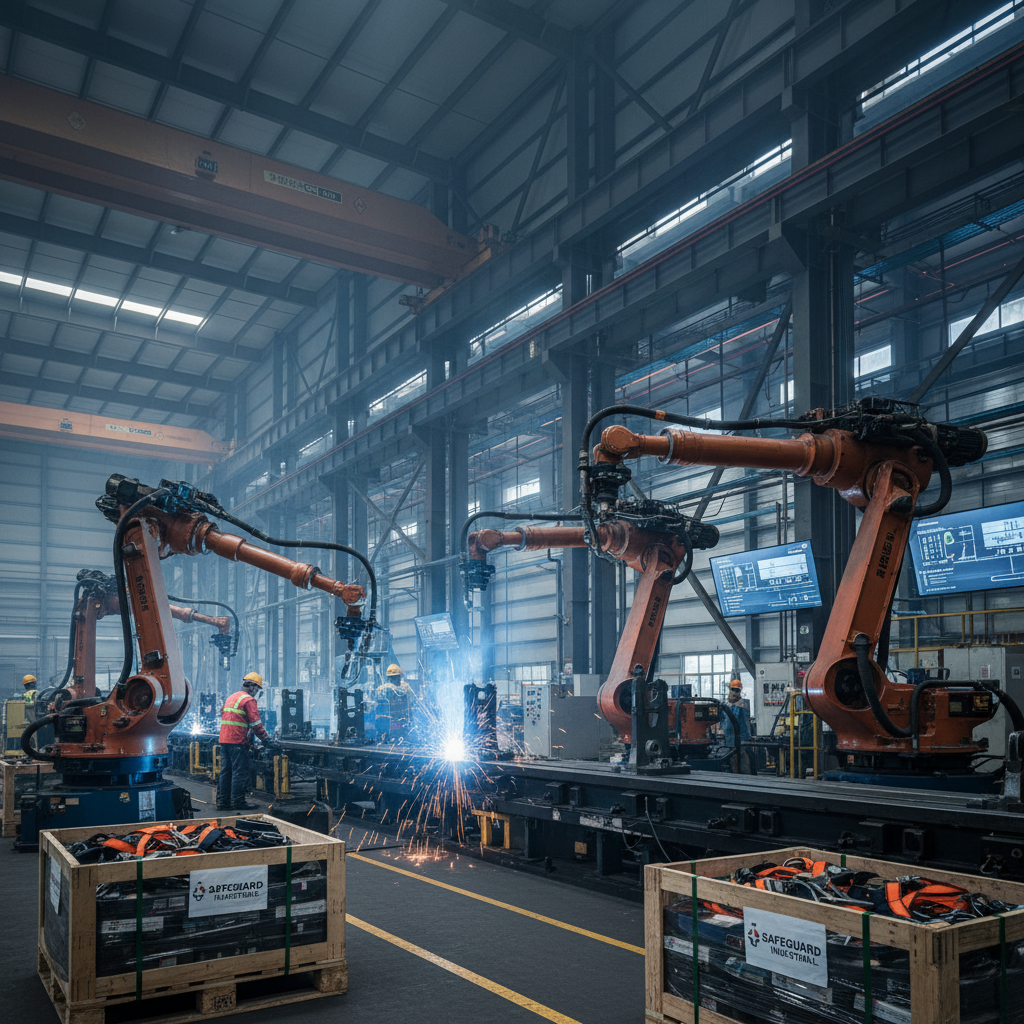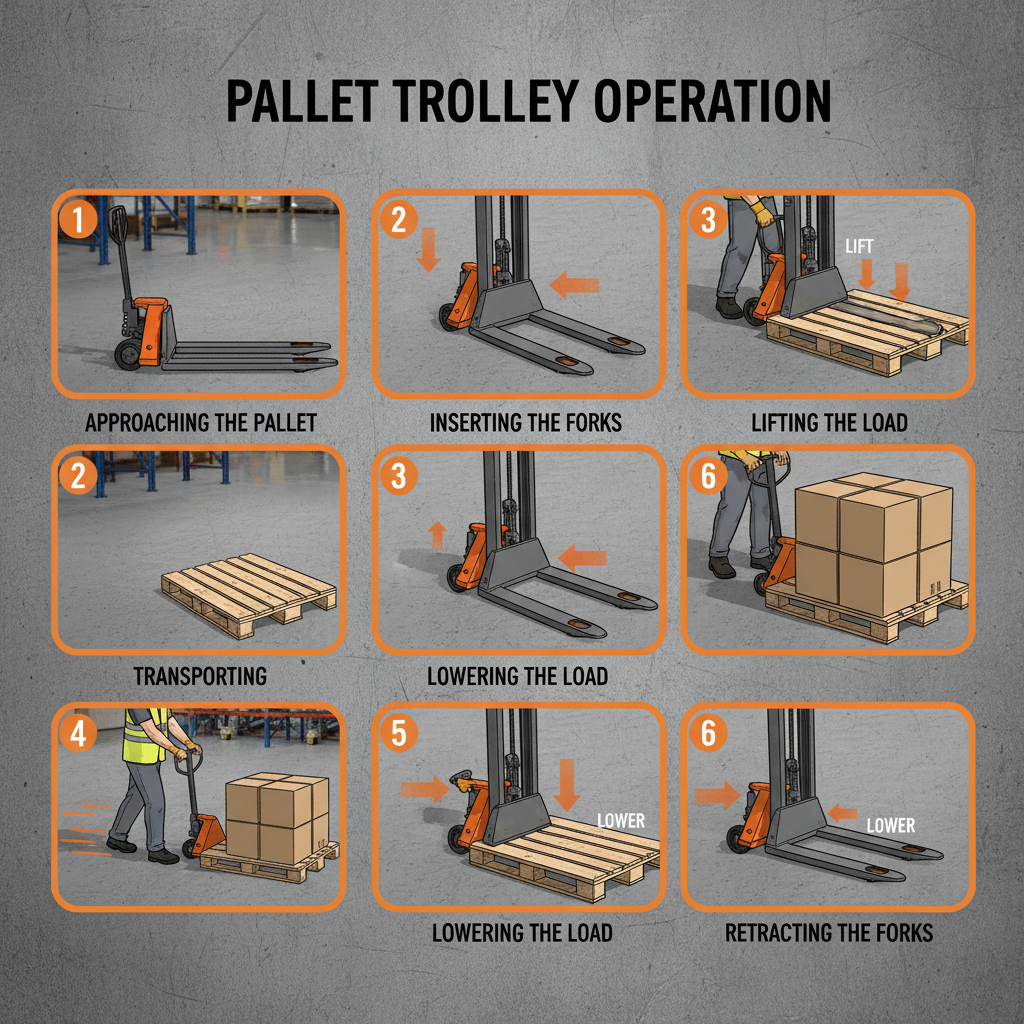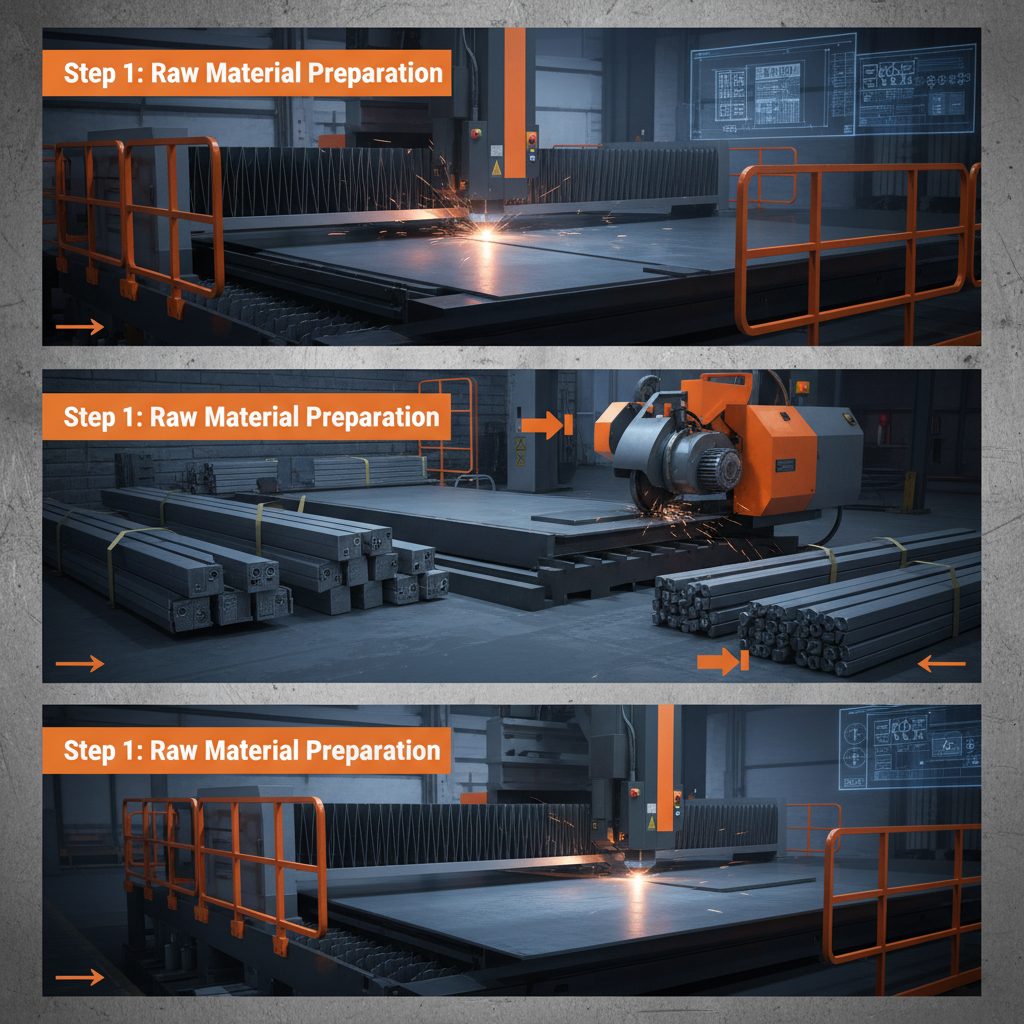


Electric winches are essential tools across a diverse range of industries and applications, playing a critical role in lifting, pulling, and positioning heavy loads. Understanding the different types of electric winches available – from compact models for automotive use to high-capacity industrial versions – is crucial for ensuring safety, efficiency, and cost-effectiveness in any operation. This knowledge empowers users to select the optimal winch for their specific needs, optimizing performance and minimizing potential risks.
The global demand for electric winches is steadily increasing, driven by growth in construction, marine, oil & gas, and manufacturing sectors. According to a recent report by Industry Insights, the global electric winch market is projected to reach $2.5 billion by 2028, exhibiting a CAGR of 4.8% during the forecast period. This growth underscores the importance of these devices in modern infrastructure development and logistical operations. Effective selection and utilization of types of electric winches address challenges related to labor costs, safety regulations, and operational efficiency.
Beyond industrial applications, electric winches are increasingly vital in emergency response and disaster relief scenarios. Their ability to quickly and safely move debris, lift heavy objects, and assist in rescue operations makes them indispensable tools for first responders and humanitarian organizations. The versatility and reliability of various types of electric winches are therefore not just economic considerations, but essential components of preparedness for global challenges.
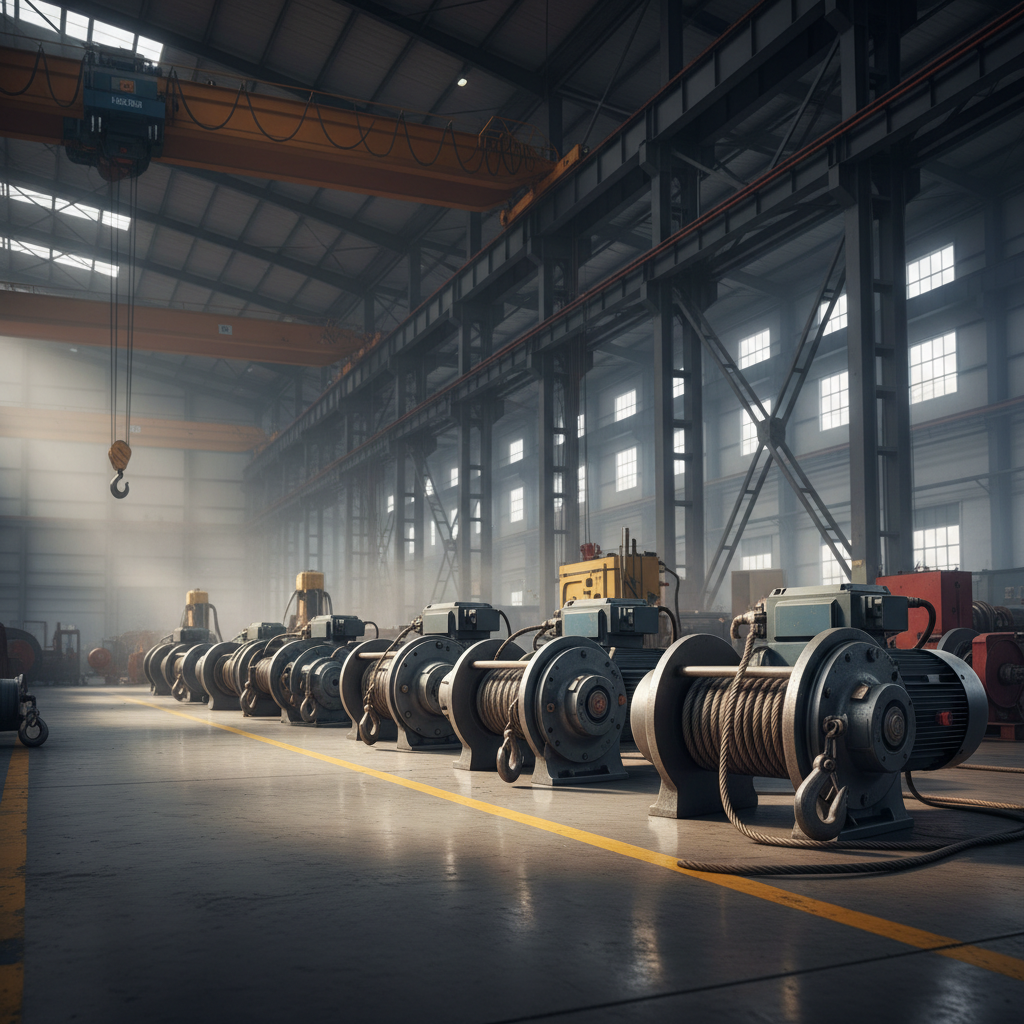
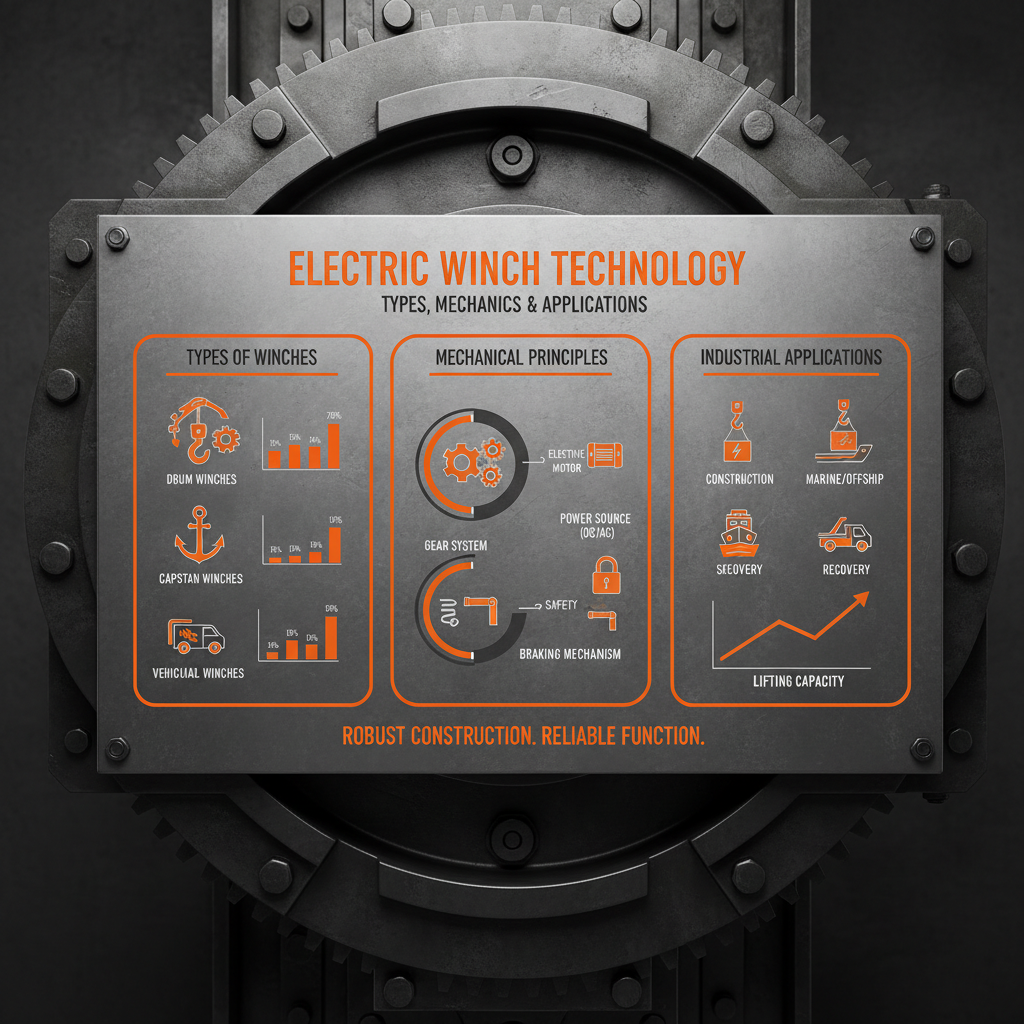
Electric winches are characterized by their precise control, high power-to-weight ratio, and ability to operate in challenging environments. They utilize an electric motor to drive a drum or reel, around which a rope, cable, or chain is wound to provide pulling force. The key characteristics influencing performance include motor power, gear ratio, rope capacity, and braking systems. Different types of electric winches prioritize different characteristics, making them suitable for diverse tasks.
These devices offer a significant advantage over manual winches, reducing physical strain and enabling more complex operations. The availability of remote control options further enhances safety and convenience, particularly in hazardous environments or situations where precise positioning is required. Choosing the right winch requires a careful assessment of these characteristics based on the intended application.
Worm gear winches are known for their high holding capacity and self-locking feature, making them suitable for applications where secure load holding is critical. However, they typically have lower efficiency and slower rope speeds. Planetary winches, on the other hand, offer higher efficiency, faster rope speeds, and greater pulling power, making them ideal for demanding applications requiring frequent operation. Choosing between the two depends on the specific needs and priorities of the application.
To determine the correct load capacity, first identify the maximum weight you need to lift or pull. Then, add a safety factor of at least 20-30% to account for dynamic loads, shock loads, and potential variations in weight. Always consult the winch manufacturer's specifications and guidelines to ensure you select a winch that can safely handle the anticipated load. Overloading a winch can lead to equipment failure and serious injury.
Regular maintenance is essential for prolonging the life of your electric winch. This includes inspecting the rope or cable for wear and tear, lubricating moving parts, checking the braking system, and ensuring all electrical connections are secure. Regularly cleaning the winch and storing it in a dry environment can also help prevent corrosion and damage. Follow the manufacturer's recommended maintenance schedule for optimal performance.
Yes, remote controls are widely available for electric winches. They offer several benefits, including increased safety by allowing the operator to position themselves away from the load, improved precision and control, and enhanced efficiency. Remote controls are particularly useful in hazardous environments or situations where visibility is limited. Various remote control options are available, from basic handheld units to more advanced wireless systems.
The duty cycle dictates how long a winch can operate at its rated load within a specific timeframe. If your application requires continuous or frequent lifting/pulling, you'll need a winch with a higher duty cycle rating. Choosing a winch with an insufficient duty cycle can lead to overheating, premature wear, and potential failure. Carefully assess your usage patterns to select a winch that meets your operational demands.
Always wear appropriate personal protective equipment (PPE), including gloves and safety glasses. Ensure the winch is properly mounted and secured before operation. Never exceed the winch's rated load capacity. Keep bystanders clear of the load path. Inspect the rope or cable for damage before each use. Be aware of your surroundings and operate the winch with caution. Follow all manufacturer's safety guidelines.
In conclusion, understanding the diverse types of electric winches, their core components, performance metrics, and application areas is paramount for making informed decisions. Selecting the right winch optimizes efficiency, enhances safety, and maximizes return on investment across a vast range of industries. From construction and marine to oil & gas and disaster relief, these devices play a critical role in modern operations.
Looking ahead, continued advancements in technology – including IoT integration, energy efficiency, and automation – will further enhance the capabilities and versatility of electric winches. Embracing these innovations and prioritizing safety will ensure that types of electric winches continue to be essential tools for tackling global challenges and driving progress. Visit our website at www.qyjuli.com to explore our full range of electric winches and find the perfect solution for your needs.



 Afrikaans
 Albanian
 Amharic
 Arabic
 Armenian
 Azerbaijani
 Basque
 Belarusian
 Bengali
 Bosnian
 Bulgarian
 Catalan
 Cebuano
 China
China
 China (Taiwan)
 Corsican
 Croatian
 Czech
Czech
 Danish
 Dutch
Dutch
 Esperanto
 Estonian
 Finnish
 French
 Frisian
 Galician
 Georgian
 German
 Greek
Greek
 Gujarati
 Haitian Creole
 Hausa
Hausa
 Hawaiian
 Hebrew
 Hindi
Hindi
 Miao
Miao
 Hungarian
 Icelandic
 Igbo
Igbo
 Indonesian
 Irish
Irish
 Italian
 Japanese
 Javanese
 Kannada
 Kazakh
 Khmer
Khmer
 Rwandese
 Korean
 Kurdish
 Kyrgyz
 Lao
Lao
 Latin
Latin
 Latvian
 Lithuanian
 Luxembourgish
 Macedonian
 Malgashi
 Malay
Malay
 Malayalam
 Maltese
 Maori
Maori
 Marathi
 Mongolian
 Myanmar
 Nepali
 Norwegian
 Norwegian
 Occitan
 Pashto
 Persian
 Polish
 Portuguese
 Punjabi
 Romanian
 Russian
 Samoan
 Scottish Gaelic
 Serbian
 Sesotho
 Shona
Shona
 Sindhi
 Sinhala
 Slovak
 Slovenian
 Somali
 Spanish
 Sundanese
 Swahili
 Swedish
 Tagalog
 Tajik
Tajik
 Tamil
Tamil
 Tatar
Tatar
 Telugu
 Thai
Thai
 Turkish
 Turkmen
 Ukrainian
 Urdu
Urdu
 Uighur
 Uzbek
Uzbek
 Vietnamese
 Welsh
Welsh
 Bantu
Bantu
 Yiddish
 Yoruba
 Zulu
Zulu
 English