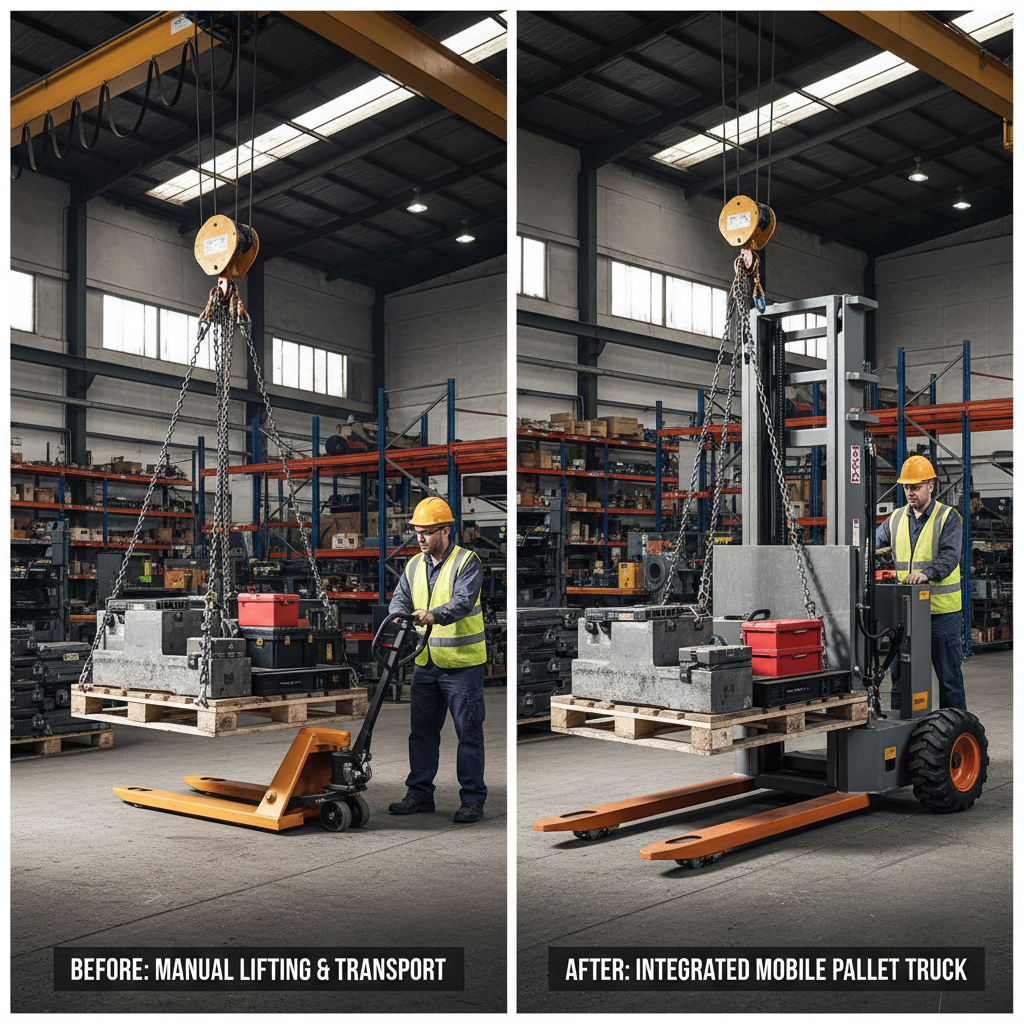
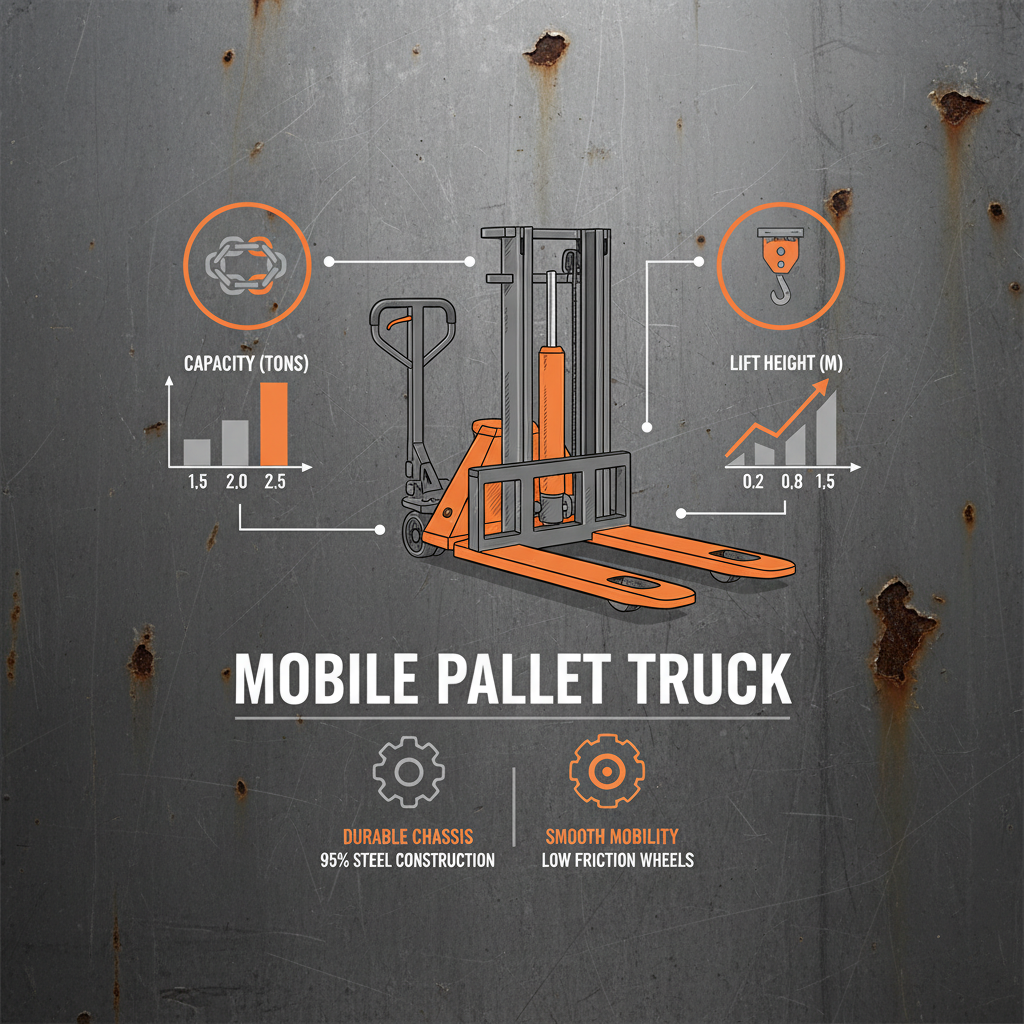
In the fast-paced world of modern logistics and warehouse management, the efficiency of material handling can determine the success of an entire supply chain. The mobile pallet truck has emerged as a cornerstone of this efficiency, bridging the gap between bulky stationary lifting equipment and manual labor. By allowing for the seamless movement of palletized goods across various floor surfaces, these tools minimize downtime and significantly reduce the physical strain on workers.
Globally, the demand for agile material handling solutions is skyrocketing as e-commerce and "just-in-time" delivery models become the industry standard. A high-quality mobile pallet truck is no longer just a convenience; it is a strategic asset that ensures safety, speed, and precision in environments ranging from small retail storerooms to massive industrial distribution centers.
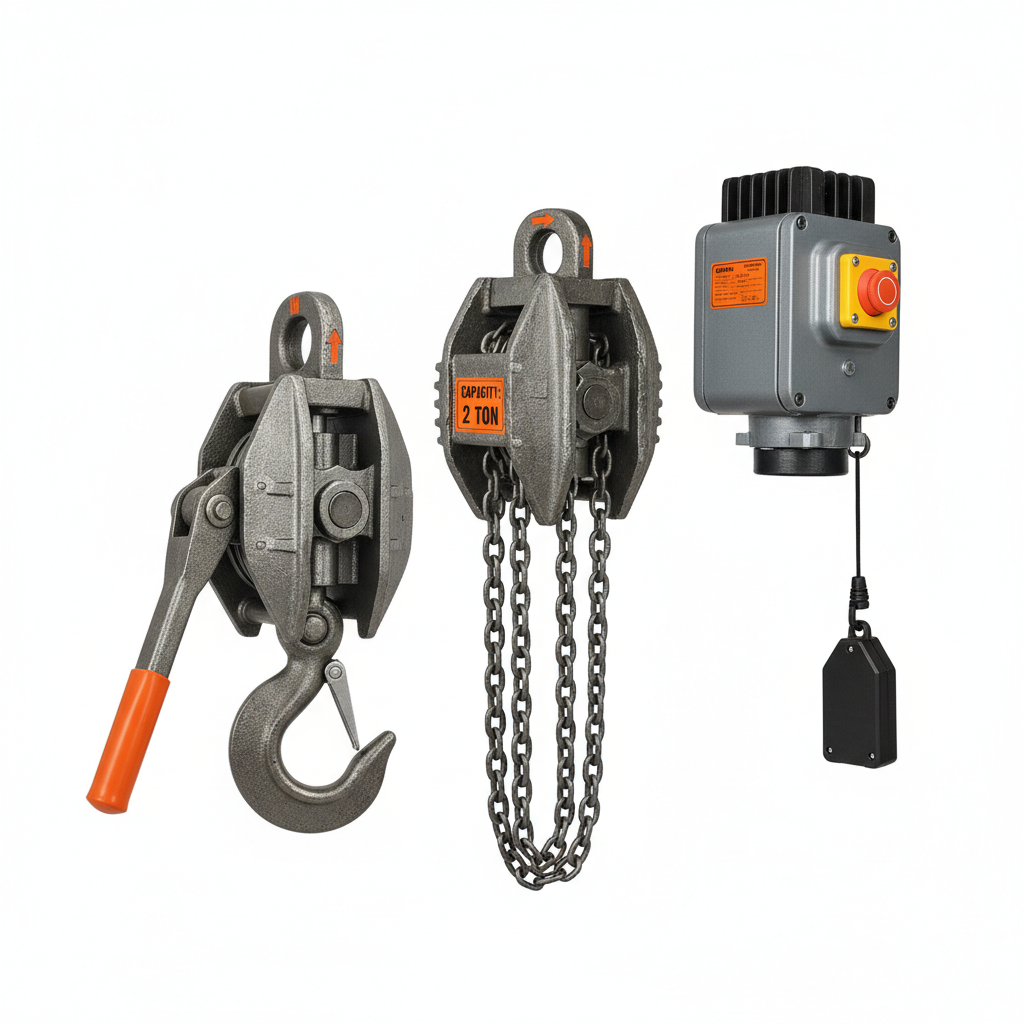
Understanding the nuances of these machines—from their load-bearing capacities to their ergonomic designs—is essential for any facility manager looking to optimize their operational flow. This guide explores the technical depth and practical applications of the mobile pallet truck, providing insights into how it integrates with other lifting equipment like chain blocks and electric hoists to create a comprehensive hoisting ecosystem.
Global Industry Context of Mobile Pallet Trucks
The global logistics sector is currently undergoing a massive transformation, driven by the need for higher throughput and stricter occupational health and safety standards. According to international industrial trends and ISO guidelines, the move toward ergonomic material handling is paramount. The mobile pallet truck addresses the critical challenge of "last-meter" transport, where traditional forklifts may be too large and manual carrying is prohibited by safety regulations.
In regions with rapidly growing industrial zones, such as Southeast Asia and Latin America, the adoption of versatile pallet trucks has seen a marked increase. These tools allow smaller enterprises to scale their operations without requiring the massive capital expenditure of fully automated conveyor systems, making the mobile pallet truck a catalyst for industrial democratization.
Defining the Mobile Pallet Truck in Modern Logistics
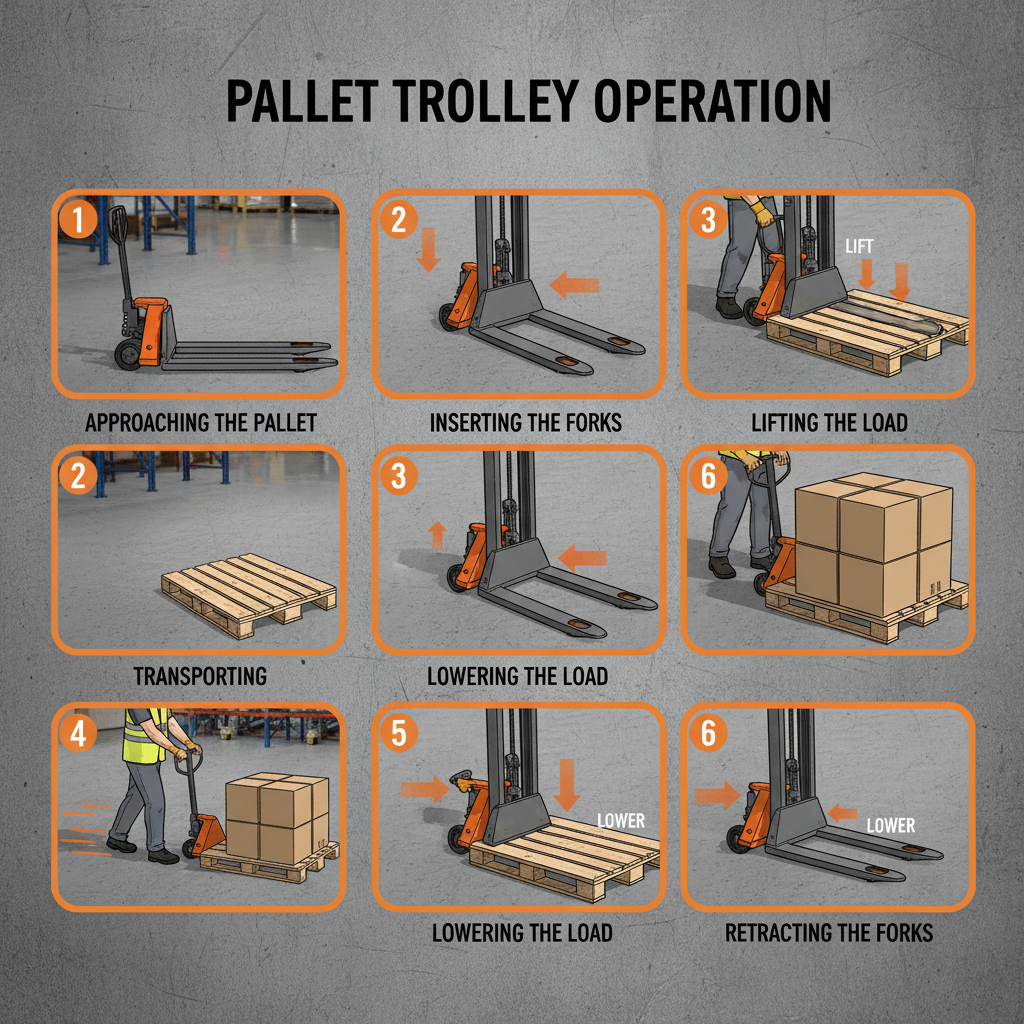
At its most basic level, a mobile pallet truck is a manually or electrically powered tool used to lift and move pallets. Unlike a standard forklift, which focuses on vertical stacking and high-shelf storage, the pallet truck is designed for horizontal agility. It utilizes a hydraulic pump mechanism to lift the load slightly off the ground, reducing friction and allowing a single operator to move several tons of material with minimal effort.
In the context of modern industry, this device represents the intersection of mechanical simplicity and functional efficiency. Whether it is a manual hand pallet truck or a battery-powered version, the primary goal is to eliminate the bottlenecks associated with loading docks and narrow warehouse aisles. It serves as the vital link between the receiving area and the final storage location.
Beyond mere transport, the mobile pallet truck is integral to humanitarian and emergency response operations. In post-disaster relief, where infrastructure is often damaged and power is scarce, manual pallet trucks are deployed to move food, medicine, and shelter materials from aircraft or ships into temporary distribution hubs, proving that simple, robust engineering is often the most reliable solution.
Core Components for Maximum Durability
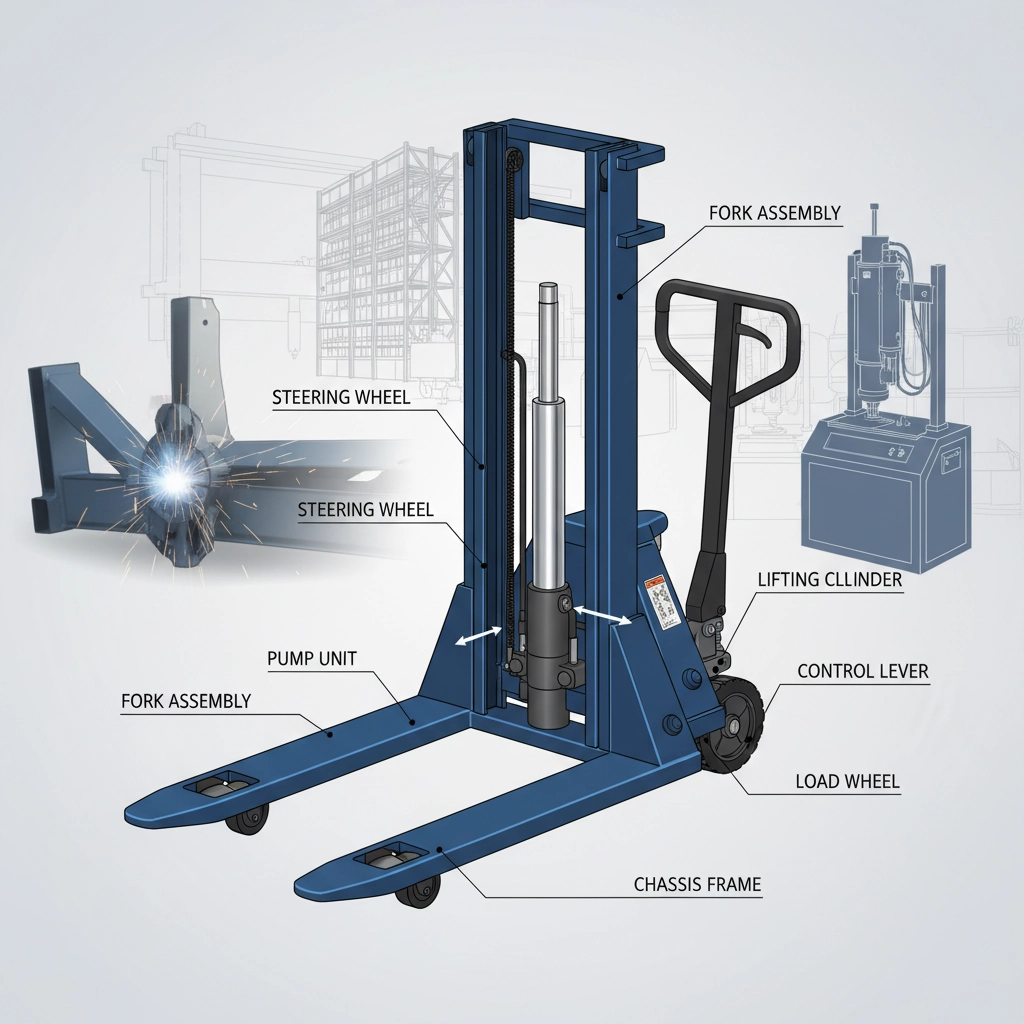
The structural integrity of a mobile pallet truck depends heavily on the quality of its steel chassis. High-grade reinforced steel ensures that the forks do not bend under maximum load, which is critical for maintaining the stability of the pallet. A well-engineered frame distributes the weight evenly, preventing tipping and ensuring the operator's safety during transit.
Central to the operation is the hydraulic pump system. A premium mobile pallet truck utilizes leak-proof seals and precision-machined valves to ensure a smooth lift. The efficiency of this pump determines how much effort the operator must exert; a high-efficiency system allows for rapid lifting cycles, which directly translates to increased warehouse productivity and reduced operator fatigue.
Finally, the wheel material—typically polyurethane or nylon—is a key factor in operational versatility. Polyurethane wheels are preferred for their noise-reduction properties and non-marking characteristics on epoxy floors, while nylon is used for heavy-duty applications where durability against debris is required. Choosing the right wheel configuration ensures the mobile pallet truck performs optimally regardless of the environment.
Efficiency Metrics and Performance Comparison
When evaluating the performance of various material handling tools, the mobile pallet truck consistently scores high in terms of deployment speed and cost-to-utility ratio. Unlike electric stackers, which require significant charging infrastructure, a manual truck is ready for use 24/7. This makes it an indispensable tool for rapid-response environments where immediate movement is required.
To better understand how different versions of pallet trucks compare, we look at metrics such as ease of maneuverability, load stability, and maintenance requirements. The following data illustrates the relative performance ratings of different configurations commonly used in the industry.
Comparative Performance of Mobile Pallet Truck Variants
Global Applications Across Diverse Industries
The versatility of the mobile pallet truck allows it to be utilized in almost every sector that involves physical goods. In the pharmaceutical industry, specialized stainless steel pallet trucks are used in "clean room" environments to prevent contamination and resist corrosive cleaning agents. These trucks ensure that temperature-sensitive medicines are moved quickly from cold storage to delivery vehicles.
In the automotive sector, these trucks are used to move heavy engine components and chassis parts between assembly stations. By integrating a mobile pallet truck with other lifting devices like an Electric Winch or a Crane Scale, factories can create a seamless flow of heavy materials, reducing the risk of workplace accidents and increasing the overall cadence of production.
Long-Term Value and Safety Advantages
Investing in a professional-grade mobile pallet truck provides significant long-term value by reducing workers' compensation claims related to back injuries. Manual lifting of heavy loads is one of the leading causes of workplace disability; by automating the lift and glide process, companies protect their most valuable asset—their people.
From a financial perspective, the reliability of these machines reduces the need for frequent replacements. A high-quality truck, maintained with simple lubrication and seal checks, can last for decades. This sustainability is an attractive trait for companies aiming to reduce their industrial footprint and move toward a more circular economy.
Furthermore, the psychological impact on the workforce cannot be overstated. When employees are provided with efficient, safe tools like the mobile pallet truck, it fosters a culture of professionalism and care. This leads to higher employee retention and a more motivated team, as the daily struggle of manual labor is replaced by streamlined, mechanical precision.
Future Innovations in Pallet Handling Technology
The future of the mobile pallet truck is inextricably linked to the digital transformation of the warehouse. We are seeing the emergence of "Smart Pallet Trucks" equipped with IoT sensors that can track the weight of the load in real-time and communicate with warehouse management systems (WMS) to optimize routing. This integration reduces empty-trip miles and maximizes throughput.
Sustainability is also driving innovation in materials. New composite alloys are being tested to replace traditional steel, offering the same load-bearing capacity with a significant reduction in the machine's own weight. This makes the mobile pallet truck even more agile and easier to maneuver in tight spaces.
Additionally, the shift toward green energy is replacing traditional lead-acid batteries in electric models with Lithium-Iron Phosphate (LiFePO4) technology. These batteries offer faster charging times and a longer lifespan, ensuring that the mobile pallet truck remains operational for longer periods without requiring extensive downtime for charging.
Technical Analysis of Mobile Pallet Truck Innovation Trends
|
Innovation Category
|
Current Standard
|
Future Technology
|
Expected Impact
|
| Power Source |
Manual/Lead-Acid |
LiFePO4/Hydrogen |
Zero Emission/Fast Charge |
| Frame Material |
Powder-coated Steel |
Carbon Fiber Composites |
Weight Reduction |
| Control System |
Manual Lever |
IoT/Smart Interface |
Real-time Inventory Sync |
| Hydraulic System |
Standard Oil Pump |
Electro-Hydraulic Precision |
Smoother Lift Cycles |
| Safety Features |
Basic Brake |
Auto-Stop Sensors |
Collision Avoidance |
| Maintenance |
Reactive Repair |
Predictive AI Monitoring |
Minimized Downtime |
FAQS
A mobile pallet truck is primarily used for horizontal transport and low-level lifting, making it ideal for narrow aisles and quick movements. In contrast, a forklift is designed for vertical lifting and stacking pallets on high shelves. Pallet trucks are generally more affordable, easier to maintain, and require less operator training than full-sized forklifts.
Choose polyurethane wheels if you are working on smooth, indoor floors (like epoxy) where you want to avoid marking the surface and reduce noise. Nylon wheels are better for rougher surfaces or environments where the truck will encounter small debris, as they are harder and more resistant to wear and tear.
Yes, for many medium-sized operations, manual trucks are sufficient due to their reliability and low cost. However, if your staff is moving loads constantly over long distances, upgrading to an electric pallet truck can significantly reduce fatigue and increase the number of pallets moved per hour.
A basic inspection should be performed daily (checking for hydraulic leaks and wheel wear). A professional service, including pump lubrication and seal verification, is recommended every 6 to 12 months depending on usage intensity to ensure longevity and operator safety.
Standard steel trucks may rust in high-moisture or salty environments. For food processing or cold storage, we recommend stainless steel mobile pallet trucks. These are designed to resist corrosion and can be sanitized easily without damaging the equipment.
Most standard mobile pallet trucks are rated between 2,000kg and 3,000kg. However, heavy-duty versions can handle up to 5,000kg. It is crucial to never exceed the rated capacity, as this can damage the hydraulic pump and compromise the stability of the load.
Conclusion
The mobile pallet truck stands as an indispensable tool in the modern industrial landscape, offering a perfect balance of simplicity, durability, and efficiency. From the fundamental role of its reinforced chassis and hydraulic systems to its application in complex global supply chains, it consistently proves that the right tool can drastically reduce operational costs while enhancing workplace safety. By integrating these trucks with a broader suite of lifting equipment, businesses can achieve a streamlined workflow that is both scalable and sustainable.
Looking ahead, the integration of IoT and green energy will further elevate the capabilities of pallet handling, turning a simple mechanical tool into a data-driven asset. For facility managers and business owners, the recommendation is clear: invest in high-quality, ergonomically designed equipment to ensure long-term viability. Whether you are managing a small warehouse or a global distribution hub, the right mobile pallet truck is the foundation of a productive floor. Visit our website to explore our full range of solutions: www.qyjuli.com