Operating heavy machinery without a comprehensive pallet truck manual is not just a risk to productivity, but a significant safety hazard in any modern warehouse environment. A well-structured manual serves as the definitive blueprint for safe operation, routine maintenance, and efficient load management, ensuring that operators can move materials with precision and confidence.
Globally, the reliance on manual material handling equipment has surged as e-commerce and logistics networks expand. Understanding the nuances detailed in a pallet truck manual allows businesses to minimize downtime caused by operator error and extend the operational lifespan of their equipment through rigorous adherence to manufacturer specifications.
By integrating the guidelines found in a pallet truck manual into standard operating procedures, companies can achieve a higher standard of workplace safety (EHS) and operational excellence. Whether you are managing a small retail stockroom or a massive industrial distribution center, the technical clarity provided by these manuals is the key to unlocking maximum ROI from your lifting equipment.
Global Importance of the Pallet Truck Manual
In the global logistics landscape, standardized documentation is the backbone of safety. According to ISO standards for material handling, the presence of a detailed pallet truck manual ensures that equipment is used within its engineered load limits, preventing catastrophic failures that can lead to workplace injuries and massive financial liabilities.
The global trade volume, as monitored by the World Trade Organization, continues to rise, placing immense pressure on warehouse throughput. Without a strict adherence to the operational guidelines outlined in a pallet truck manual, the risk of equipment fatigue increases, leading to a cycle of frequent replacements and decreased operational sustainability.
Defining the Core Scope of a Pallet Truck Manual
A pallet truck manual is more than just a set of instructions; it is a comprehensive technical guide that bridges the gap between mechanical engineering and daily operation. It typically encompasses everything from the initial assembly and hydraulic priming to the complex nuances of weight distribution and center-of-gravity management for various load types.
In the context of modern industry, these manuals address the critical need for "zero-accident" environments. By providing clear visual aids and step-by-step troubleshooting protocols, a pallet truck manual transforms a simple piece of hardware into a precision tool, ensuring that operators across different linguistic and educational backgrounds can operate the machinery safely.
Furthermore, the manual connects the physical tool to humanitarian and industrial needs by outlining how to handle fragile or hazardous materials. Whether used in a pharmaceutical warehouse or a disaster relief supply hub, the instructions found in a pallet truck manual provide the necessary guardrails to ensure that essential goods reach their destination without damage.
Critical Technical Components in Pallet Truck Manuals
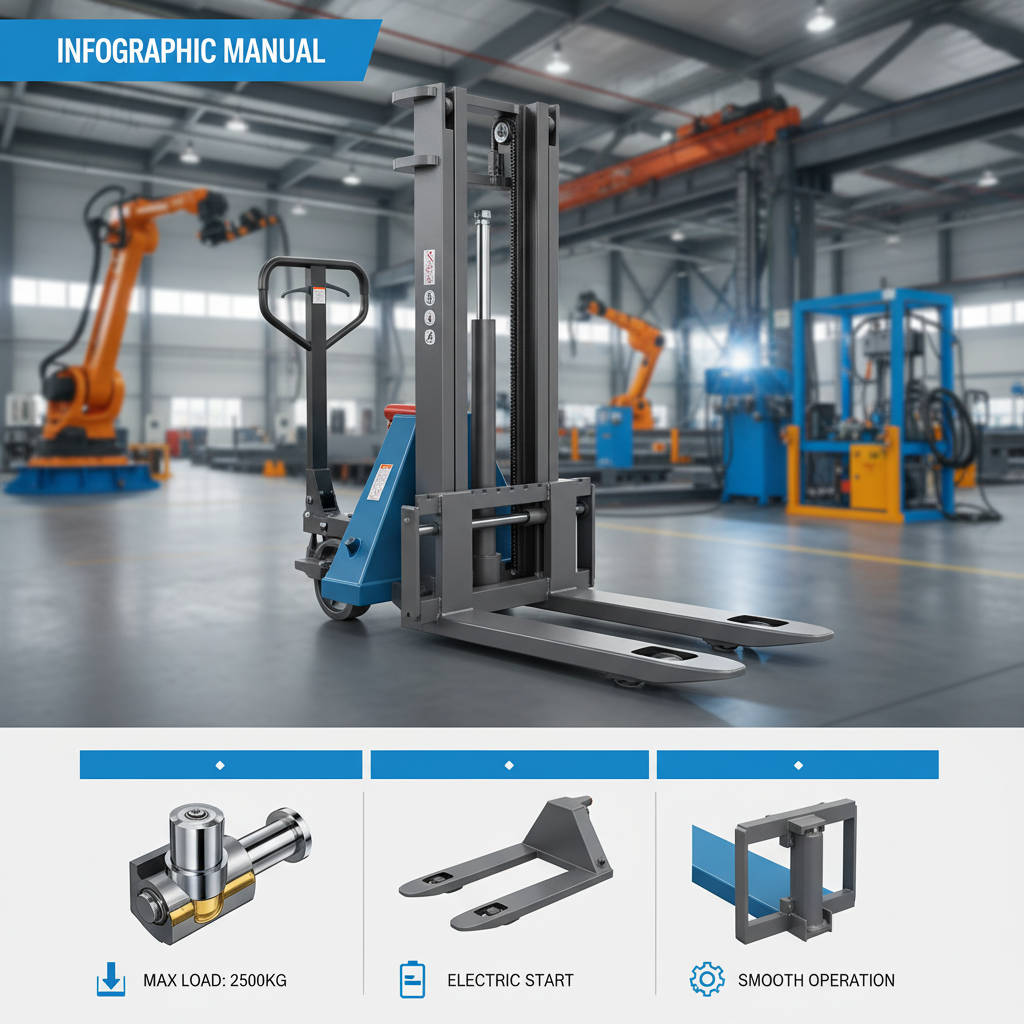
Durability and load capacity are the primary focuses of any high-quality pallet truck manual. The documentation specifies the maximum rated capacity—often ranging from 2,000kg to 5,000kg—and warns against "over-stacking," which can warp the forks and compromise the hydraulic seal's integrity.
Maintenance schedules are another cornerstone of the pallet truck manual. Regular lubrication of the chassis, checking for hydraulic fluid leaks, and inspecting wheel wear are not optional tasks but mandatory requirements to maintain the equipment's warranty and operational safety.
Finally, the manual emphasizes ergonomic handling and scalability. By teaching operators the correct posture and steering techniques, a pallet truck manual helps reduce musculoskeletal disorders among workers, thereby increasing the overall human capital efficiency of the facility.
Operational Efficiency and Performance Metrics
Measuring the impact of following a pallet truck manual involves looking at "uptime" versus "downtime." When operators follow the lubrication and inspection cycles defined in the manual, the mean time between failures (MTBF) increases significantly, reducing the cost of emergency repairs.
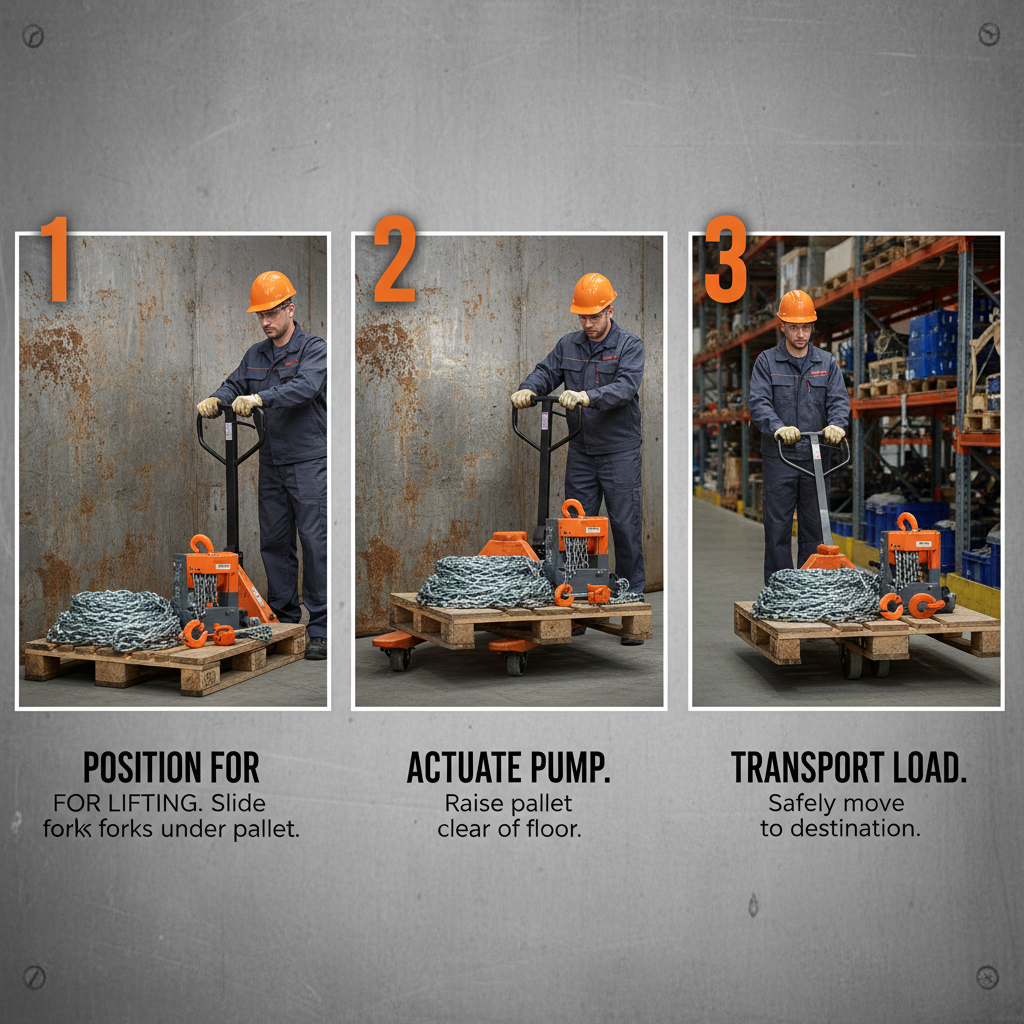
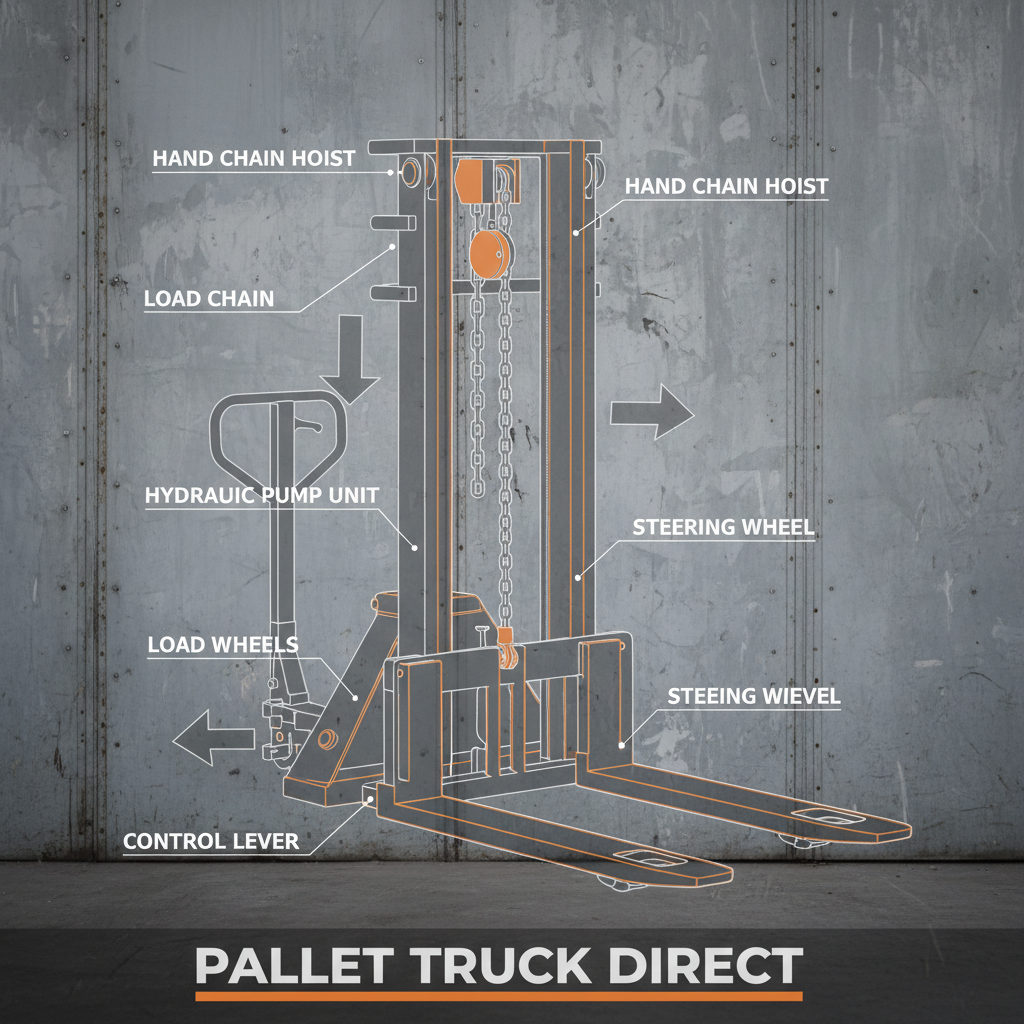
Moreover, efficiency is gained through the correct use of the pump handle and release lever, as detailed in the technical sections. Proper operation prevents the common mistake of "forcing" the lift, which preserves the hydraulic pump's internal valves and ensures smooth lifting cycles.
Impact of Pallet Truck Manual Adherence on Performance
Global Industrial Applications and Use Cases
In large-scale industrial zones across Asia and Europe, the application of the pallet truck manual varies by environment. For instance, in cold-storage facilities, manuals specify the use of specialized low-temperature hydraulic oils to prevent the fluid from thickening, which would otherwise render the truck immobile.
Conversely, in post-disaster relief operations managed by NGOs, a simplified pallet truck manual is vital for quickly training local volunteers. This ensures that heavy shipments of food and medicine can be unloaded from aircraft and trucks efficiently without risking further injury to the relief workers.
Long-term Value and Safety Advantages
The long-term value of implementing a strict pallet truck manual policy is reflected in the reduction of insurance premiums and worker compensation claims. By fostering a culture of safety and technical discipline, companies build a reputation for reliability and professional excellence.
From a logical standpoint, the cost of printing and training staff on a manual is negligible compared to the cost of a single workplace accident. The manual provides the "legal shield" and technical proof that the company has provided necessary safety training to its employees.
Emotionally, this creates a sense of dignity and trust for the operator. When a worker knows exactly how to handle the equipment safely, they feel empowered and valued, knowing that their health and safety are a priority for the organization.
Future Innovations in Material Handling Documentation
The future of the pallet truck manual is shifting from static paper documents to dynamic, digital ecosystems. We are seeing the rise of QR-code integrated manuals, where an operator can scan a part of the truck and instantly receive a video tutorial on how to maintain that specific component.
Furthermore, the integration of IoT (Internet of Things) allows for "smart manuals" that push maintenance alerts to a manager's smartphone based on actual usage data. This transition toward digital transformation ensures that the guidelines in the manual are not just read once during onboarding, but are active parts of the daily workflow.
Sustainability is also playing a role, with manuals now including sections on "Green Operation," teaching users how to minimize energy expenditure (in electric models) and how to recycle components at the end of the product's lifecycle.
Comparison of Manual-Based Maintenance Strategies
| Maintenance Tier |
Manual Focus |
Implementation Frequency |
Risk Reduction Score (1-10) |
| Daily Check |
Visual leaks & fork alignment |
Every Shift |
7 |
| Weekly Care |
Wheel cleaning & debris removal |
Once a Week |
6 |
| Monthly Service |
Hydraulic oil level & lubrication |
Monthly |
9 |
| Quarterly Audit |
Structural weld inspection |
Every 3 Months |
8 |
| Annual Overhaul |
Full seal replacement & calibration |
Yearly |
10 |
| Ad-hoc Repair |
Component replacement per manual |
As Needed |
5 |
FAQS
Ignoring the manual often leads to overloading the equipment or using incorrect lifting angles, which can cause the load to tip or the hydraulic system to fail abruptly. This not only damages the equipment but poses a lethal risk to the operator and nearby staff.
While operators should be trained initially, the manual should be referenced during every scheduled maintenance cycle and whenever a new operator is onboarded. It is also critical to consult the manual if the truck exhibits unusual noise or sluggish lifting performance.
Yes, significantly. By following the preventative maintenance schedules outlined in the manual, you can identify wear and tear early (such as worn bearings or leaking seals) before they lead to total system failure, which is far more expensive to repair.
Most professional manuals include a section on fork dimensions and pallet compatibility. They explain how to ensure the forks are properly centered under the pallet to maintain balance and avoid damaging the goods or the truck's chassis.
You should immediately contact the manufacturer or an authorized dealer. Operating the machinery without the correct technical specifications can lead to safety violations and may void your warranty. Many manufacturers now provide digital PDF versions online.
While the manual provides the necessary technical knowledge, most jurisdictions require a practical assessment and a certification course. The manual serves as the "textbook" for that training, but hands-on verification is essential for safety compliance.
Conclusion
In summary, a pallet truck manual is an indispensable asset for any operation utilizing material handling equipment. From ensuring the safety of the workforce and extending the lifespan of the machinery to optimizing overall warehouse throughput, the technical guidance provided in these manuals is the foundation of operational reliability.
As we move toward a future of smarter, more automated logistics, the principles of the manual—precision, safety, and maintenance—remain constant. We strongly recommend that all facility managers conduct a comprehensive audit of their equipment documentation and implement a digital training program based on official manuals to ensure a safer, more efficient workplace. Visit our website for more professional equipment solutions: www.qyjuli.com