In the fast-paced world of modern logistics and warehousing, the pallet truck 2.5 t stands as a cornerstone of operational efficiency. These heavy-duty hydraulic lifters are designed to bridge the gap between manual labor and fully automated systems, providing a versatile solution for moving palletized goods across factory floors and distribution centers. By optimizing the flow of materials, businesses can significantly reduce downtime and increase their overall throughput.
The global demand for a reliable pallet truck 2.5 t is driven by the exponential growth of e-commerce and the subsequent expansion of "big box" fulfillment centers. Whether in a pharmaceutical cold-store or a heavy machinery plant, the ability to move 2,500 kilograms with minimal physical effort is not just a convenience—it is a safety requirement. Adhering to ISO standards for material handling ensures that these tools minimize the risk of workplace musculoskeletal injuries.
Understanding the technical nuances of a pallet truck 2.5 t allows procurement managers to make informed decisions that balance cost and durability. From the quality of the polyurethane wheels to the precision of the hydraulic pump, every component plays a role in the tool's longevity. This guide explores the multifaceted utility of these machines, offering insights into their application, maintenance, and the future of material handling technology.
The Engineering Foundation of Pallet Truck 2.5 t
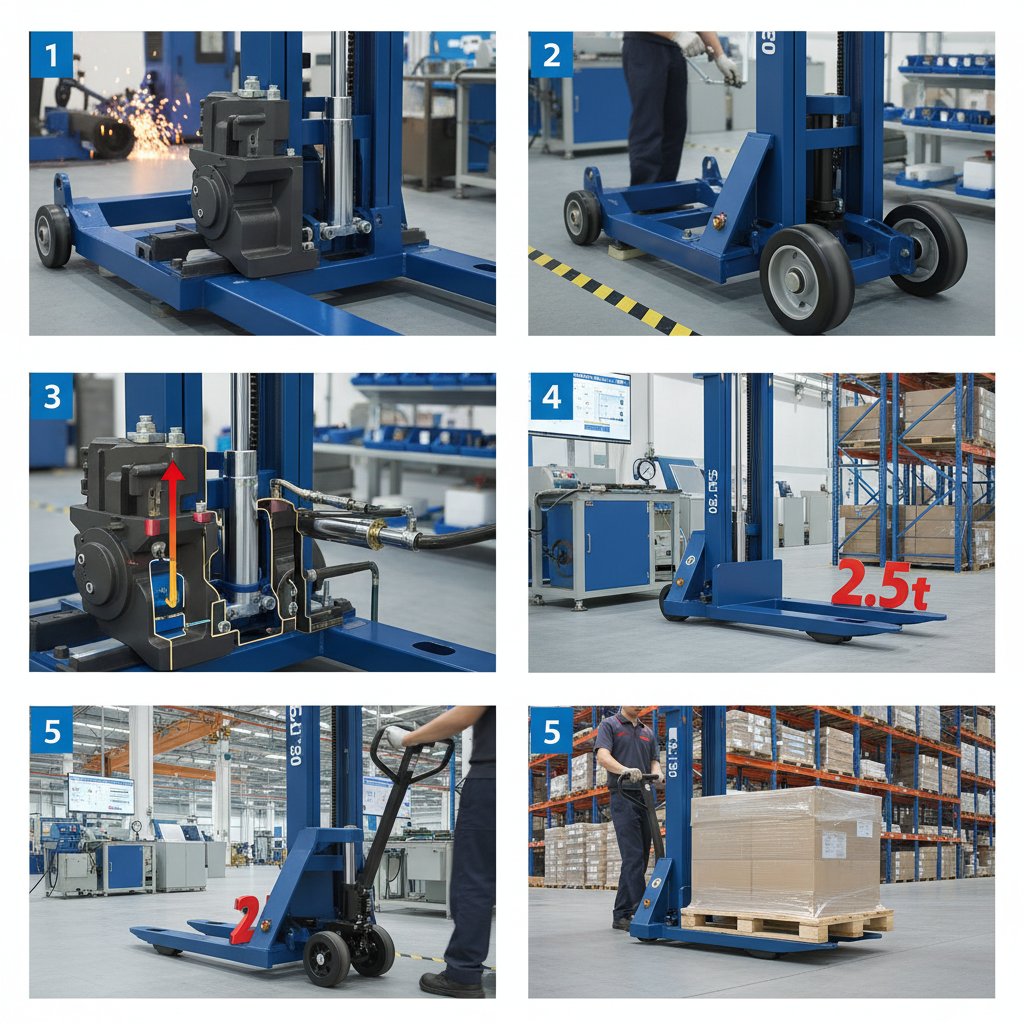
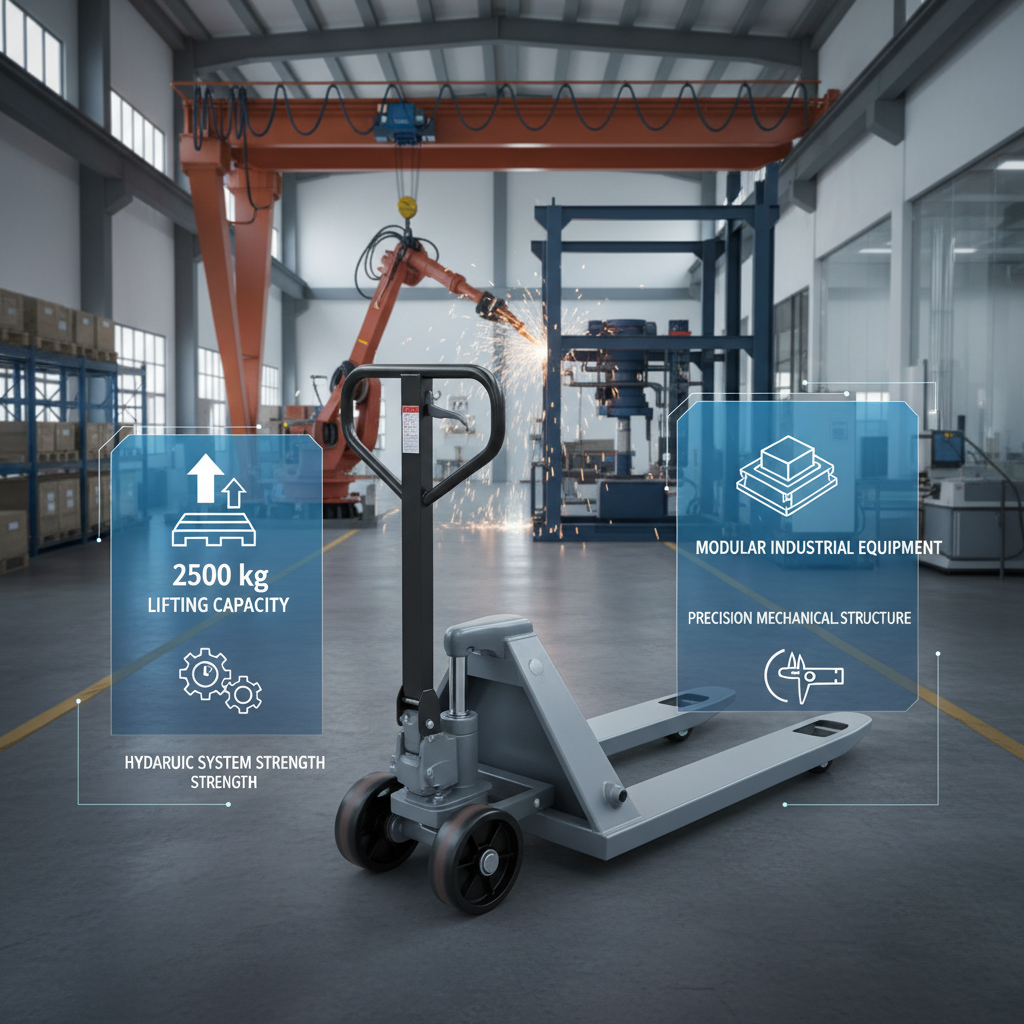
The structural integrity of a pallet truck 2.5 t begins with its chassis, typically constructed from reinforced carbon steel. This material is chosen for its exceptional strength-to-weight ratio, ensuring that the forks do not bend or warp when lifting a maximum load of 2,500 kg. The precision welding used in the assembly process prevents stress fractures during repetitive lifting cycles, which is critical for high-intensity industrial environments.
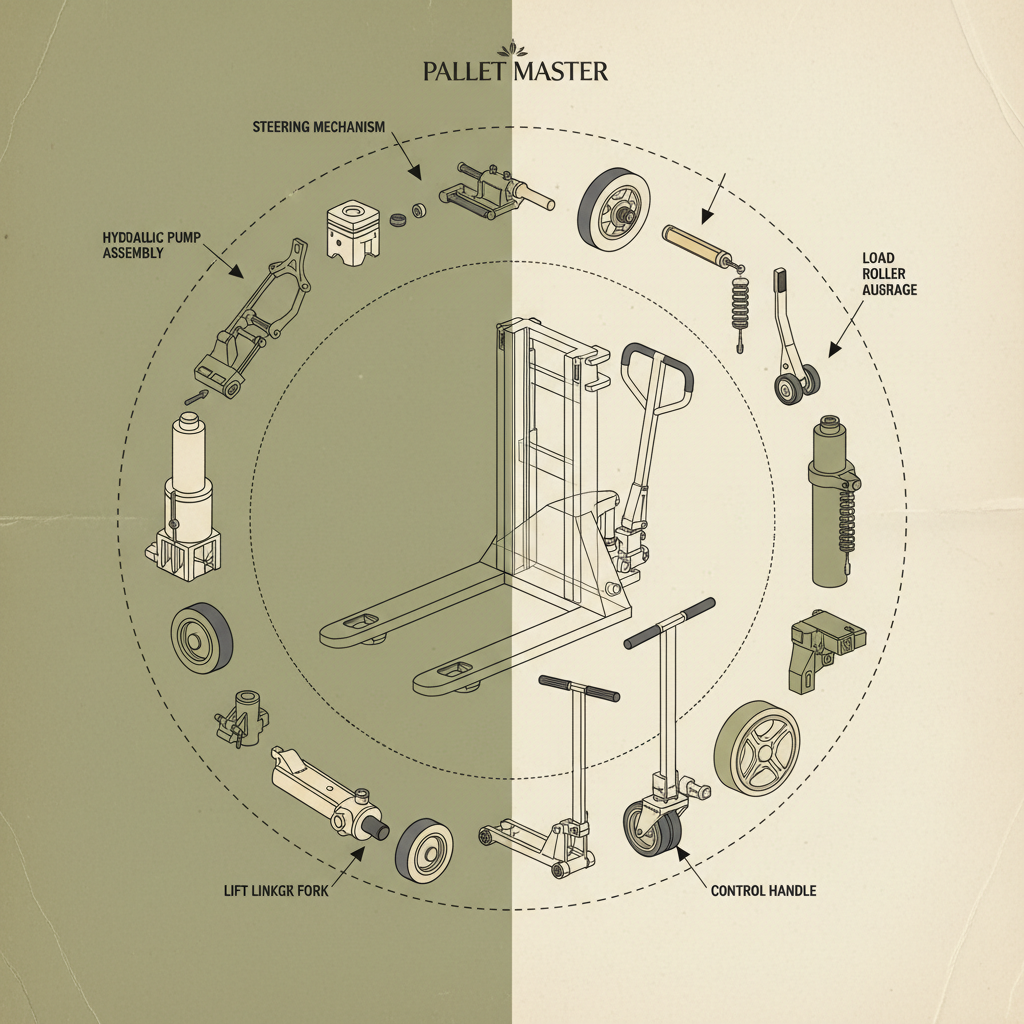
Beyond the frame, the hydraulic system acts as the heart of the machine. A high-pressure pump allows the operator to lift heavy pallets with a simple pumping motion, converting manual effort into vertical lift via Pascal's law. This mechanical advantage is what makes the pallet truck 2.5 t an indispensable tool for workers, removing the need for dangerous manual lifting and streamlining the transition of goods from trucks to shelves.
Global Industrial Relevance and Demand
On a global scale, the pallet truck 2.5 t is a universal standard in the supply chain. From the sprawling logistics hubs of Europe to the manufacturing zones in Southeast Asia, the 2.5-ton capacity is widely regarded as the "sweet spot" for general purpose handling. It provides enough power to handle dense industrial loads while remaining compact enough to navigate narrow aisles, making it a versatile asset for companies of all sizes.
Market data indicates a steady rise in the adoption of high-capacity manual pallet jacks in emerging economies. As these regions upgrade their infrastructure to meet international ISO standards, the transition from primitive lifting methods to the pallet truck 2.5 t has led to a measurable decrease in workplace accidents. The standardization of pallet sizes globally (such as Euro-pallets and GMA pallets) further enhances the utility of these trucks.
However, the challenge remains in maintaining these tools in harsh environments. In regions with high humidity or corrosive atmospheres—such as chemical plants or coastal warehouses—the demand for galvanized or stainless steel versions of the pallet truck 2.5 t has surged. This evolution reflects a broader industry trend toward specialization, where equipment is tailored to the specific environmental stressors of the workplace.
Key Technical Specifications and Components
When evaluating a pallet truck 2.5 t, the first point of analysis is the hydraulic pump's seal quality. High-grade nitrile rubber seals prevent oil leakage and maintain pressure consistency, ensuring that the forks lift smoothly even under a full 2.5-ton load. A failing seal not only reduces efficiency but can create hazardous oil slicks on the warehouse floor.
The choice of wheel material is another critical factor for the pallet truck 2.5 t. Polyurethane wheels are preferred for their durability and floor-protection qualities, whereas nylon wheels are utilized for their lower rolling resistance and ability to handle heavier loads on smooth surfaces. The bearing system within these wheels determines how much effort the operator must exert to move the load horizontally.
Finally, the ergonomics of the handle on a pallet truck 2.5 t cannot be overlooked. A 3-position control lever (lift, neutral, lower) allows for precise control over the load. Modern designs focus on reducing the "push-pull" force required, which directly impacts operator fatigue and long-term health, aligning the equipment with global occupational health and safety guidelines.
Performance Metrics and Efficiency Analysis
To quantify the value of a pallet truck 2.5 t, one must look at its "cycle efficiency"—the time taken to lift, transport, and deposit a load. Compared to lower-capacity models, the 2.5t version allows for the transport of denser materials in a single trip, effectively reducing the number of movements required by up to 30% in heavy-manufacturing settings.
Moreover, the reliability of the pallet truck 2.5 t is measured by its Mean Time Between Failures (MTBF). High-quality units are designed for millions of cycles, provided that basic lubrication and hydraulic fluid checks are performed. When compared to electric alternatives, the manual 2.5t truck offers unmatched uptime since it requires no charging and is immune to battery degradation.
Operational Efficiency Rating of Pallet Truck 2.5 t Variants
Diversified Applications Across Sectors
The application of the pallet truck 2.5 t extends far beyond simple warehousing. In the automotive industry, these trucks are used to move engine blocks and transmission assemblies between assembly stations. Their ability to handle heavy, concentrated loads makes them ideal for the "just-in-time" (JIT) delivery systems used by major car manufacturers to minimize inventory waste.
In the pharmaceutical and food sectors, the pallet truck 2.5 t is often deployed in temperature-controlled environments. Specialized versions with low-temperature lubricants ensure that the hydraulic fluid does not thicken in freezers, allowing for the seamless movement of frozen goods. This adaptability ensures that critical supply chains—from vaccine distribution to food logistics—remain uninterrupted.
Long-term Value and Operational ROI
Investing in a professional-grade pallet truck 2.5 t yields a high Return on Investment (ROI) primarily through the reduction of labor costs and injury claims. By allowing a single operator to move 2.5 tons of material safely, companies can optimize their staffing levels and reduce the physical strain on their workforce, leading to higher employee retention and lower insurance premiums.
Sustainability is another angle of long-term value. Because the manual pallet truck 2.5 t requires no electricity, it has a zero-carbon footprint during operation. For companies striving to meet ESG (Environmental, Social, and Governance) goals, integrating manual lifting equipment into their green logistics strategy is a simple yet effective way to reduce energy consumption.
Furthermore, the durability of these machines means they have an incredibly long lifecycle. With minimal maintenance—such as occasional hydraulic oil top-offs and wheel inspections—a pallet truck 2.5 t can serve a business for over a decade. This longevity makes the initial procurement cost negligible when spread across the tool's useful life.
Future Innovations in Material Handling
The future of the pallet truck 2.5 t is leaning toward "smart" integration. We are seeing the introduction of IoT (Internet of Things) sensors that can track the number of lifts and the total weight moved. This data allows warehouse managers to implement predictive maintenance, identifying a potential hydraulic failure before it happens, thus preventing costly operational halts.
Material science is also evolving, with the exploration of lightweight composite alloys to replace some steel components in the pallet truck 2.5 t. This would reduce the deadweight of the truck, making it even easier for operators to maneuver without sacrificing the 2.5-ton load capacity. Such innovations aim to further enhance the ergonomics and agility of the equipment.
Additionally, the convergence of manual and automated systems is creating a hybrid ecosystem. Future pallet truck 2.5 t designs may include semi-electric assistance, where the lifting remains hydraulic but the propulsion is assisted by a small, swappable battery. This "power-assist" trend represents the next step in human-machine collaboration in the logistics space.
Comparative Analysis of Pallet Truck 2.5 t Configurations
| Model Type |
Primary Material |
Ideal Environment |
Durability Score (1-10) |
| Standard Manual |
Powder-Coated Steel |
Dry Warehouses |
7 |
| Heavy Duty |
Reinforced Alloy Steel |
Manufacturing Plants |
9 |
| Stainless Steel |
Grade 304 Stainless |
Food/Chemical Labs |
8 |
| Cold Storage |
Galvanized Steel |
Deep Freezers |
8 |
| Narrow-Aisle |
High-Tensile Steel |
Compact Logistics Hubs |
7 |
| Rough Terrain |
Industrial Cast Iron |
Outdoor Loading Docks |
9 |
FAQS
As indicated by its name, the pallet truck 2.5 t is engineered to handle a maximum safe working load of 2,500 kilograms (2.5 metric tons). It is crucial not to exceed this limit, as overloading can damage the hydraulic pump, warp the forks, and create significant safety risks for the operator and surrounding personnel.
Regular maintenance for a pallet truck 2.5 t includes checking the hydraulic oil levels every six months and lubricating the grease nipples on the wheels and pivot points. If you notice the lift height decreasing or a "spongy" feel during lifting, it may be time to bleed the air from the pump or replace the hydraulic seals.
For food warehouses, polyurethane wheels are highly recommended for the pallet truck 2.5 t. They provide a good balance of load-bearing capacity and floor protection, ensuring that expensive epoxy floors remain scratch-free. Additionally, they do not leave marks and are resistant to the mild chemicals used in food-grade cleaning processes.
Yes, the pallet truck 2.5 t is specifically designed for versatility. While it handles heavy loads, its footprint remains compact. However, if your aisles are exceptionally tight, we recommend looking for "narrow-fork" variants of the 2.5t model to ensure easy entry and exit from the pallet without hitting the racking.
While a standard pallet truck 2.5 t is designed for flat, hard surfaces, using it on uneven ground can be difficult and potentially dangerous. For outdoor use, we suggest a model with larger, heavy-duty wheels or specialized rough-terrain versions that prevent the small load wheels from getting stuck in cracks or debris.
With proper care and periodic maintenance, a high-quality pallet truck 2.5 t can easily last 10 to 15 years. The primary wear-and-tear items are the wheels and the hydraulic seals, which are easily replaceable. The steel chassis itself is designed for a lifetime of service under normal working conditions.
Conclusion
The pallet truck 2.5 t represents the perfect intersection of simplicity and power in the world of material handling. By combining a reinforced steel chassis with a precise hydraulic lifting system, it solves the fundamental industrial challenge of moving heavy loads efficiently and safely. From its role in global supply chain standardization to its ability to reduce workplace injuries, the 2.5-ton pallet truck remains an essential tool for any operation that prioritizes productivity and worker well-being.
Looking forward, the integration of smart sensors and sustainable materials will only enhance the utility of the pallet truck 2.5 t. For businesses looking to upgrade their logistics infrastructure, investing in high-quality, durable lifting equipment is not just an operational choice—it is a strategic investment in long-term growth. To find the perfect match for your specific industrial needs, visit our website: www.qyjuli.com.